Trend Micro's Vision on AI Regulation
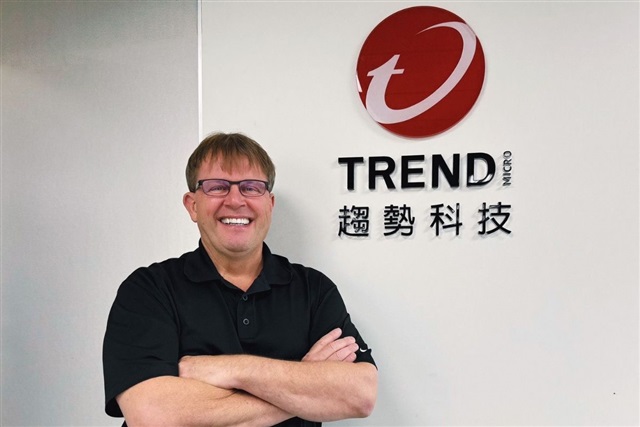
Kevin Simzer, Chief Operating Officer at Trend Micro, recently articulated a clear stance on artificial intelligence governance, pointing to Taiwan as a potential model for regulating the sector. This statement comes at a crucial time, as governments and organizations globally strive to define effective approaches for managing the development and implementation of AI technologies.
The discussion around AI regulation is complex, touching on aspects ranging from data privacy to ethics, security, and accountability. Simzer's perspective underscores the urgency of establishing guidelines that can balance innovation with the need for protection and control, a central theme for companies integrating Large Language Models (LLM) into their operations.
Taiwan's Context and Data Sovereignty
The choice of Taiwan as a model is not arbitrary. The island is a global epicenter for the semiconductor industry, a fundamental component for the hardware required for AI inference and training. This strategic position gives Taiwan a unique perspective on the challenges and opportunities related to AI, including the necessity for robust governance.
For businesses, AI regulation is closely intertwined with data sovereignty. Regulations such as GDPR in Europe or other local data residency laws impose stringent requirements on where and how data can be stored and processed. In this scenario, on-premise deployments of LLMs and other AI solutions offer direct control over infrastructure and data, facilitating compliance and ensuring greater security for sensitive information.
Implications for On-Premise Deployments
The increasing focus on AI regulation strengthens the argument for self-hosted deployments. Organizations operating in highly regulated sectors, such as finance or healthcare, often prefer to keep AI workloads within their own data centers. This approach allows for full control over the environment, from physical security to the implementation of data access and management policies, which are crucial for adhering to strict regulations.
The ability to manage the entire technology stack, from hardware (GPU, VRAM) to software frameworks, enables companies to configure systems that meet specific compliance and security requirements. Furthermore, evaluating the Total Cost of Ownership (TCO) for on-premise deployments can prove advantageous in the long run, offering greater cost predictability compared to cloud consumption models, especially when considering data sovereignty needs and potential non-compliance penalties.
The Global Challenge of AI Governance
Trend Micro's vision highlights a global challenge: how to develop and implement AI responsibly, ethically, and securely. Regulation does not aim to stifle innovation but to create an environment of trust where technologies can thrive without compromising privacy, security, or individual rights. Models like the one proposed by Taiwan can offer valuable insights for creating regulatory frameworks that are both effective and innovation-friendly.
The debate on AI regulation is set to intensify. Decisions made today will have a lasting impact on the future of artificial intelligence and companies' deployment strategies. The ability to adapt to an evolving regulatory landscape while maintaining control over data and infrastructure will be a key factor for success in the AI domain.











💬 Comments (0)
🔒 Log in or register to comment on articles.
No comments yet. Be the first to comment!