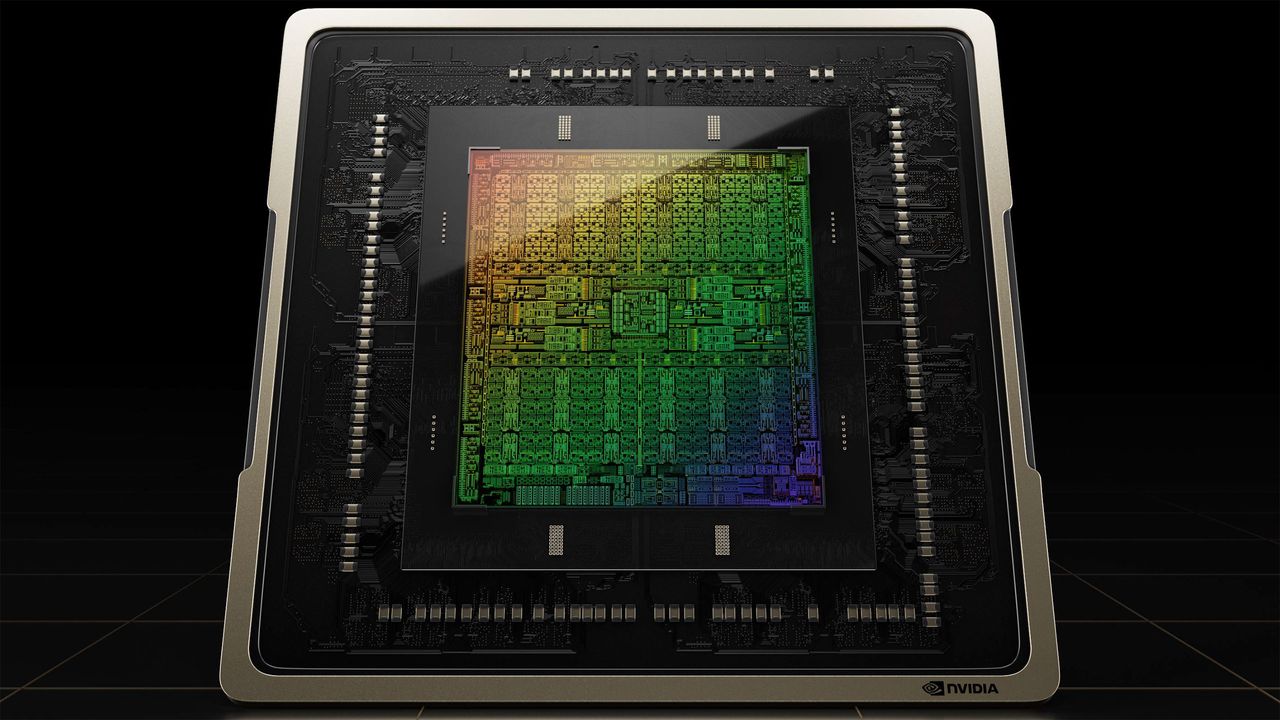
The offer seemed irresistible: an NVIDIA GeForce RTX 4090 for just $222. Too bad the silicon was plastic, the VRAM absent, and the production date a preposterous 2030. The scam, orchestrated by unscrupulous sellers in the Chinese market, is a wake-up call for anyone relying on high-end GPUs for serving language models in self-hosted environments.
Plastic instead of silicon: the anatomy of the fake
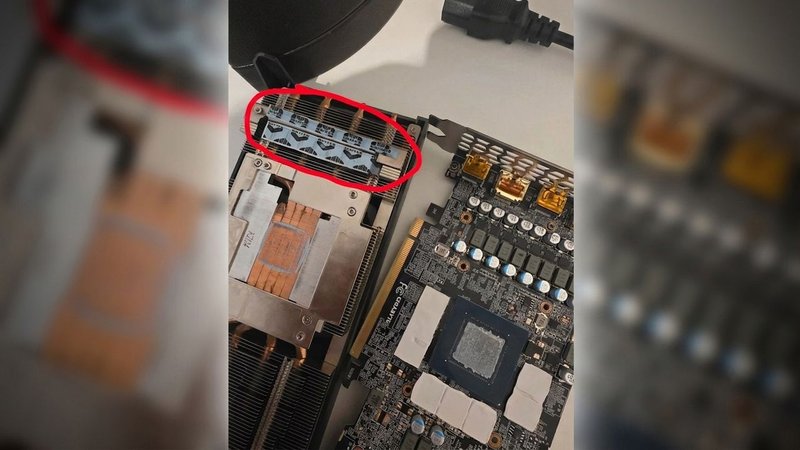
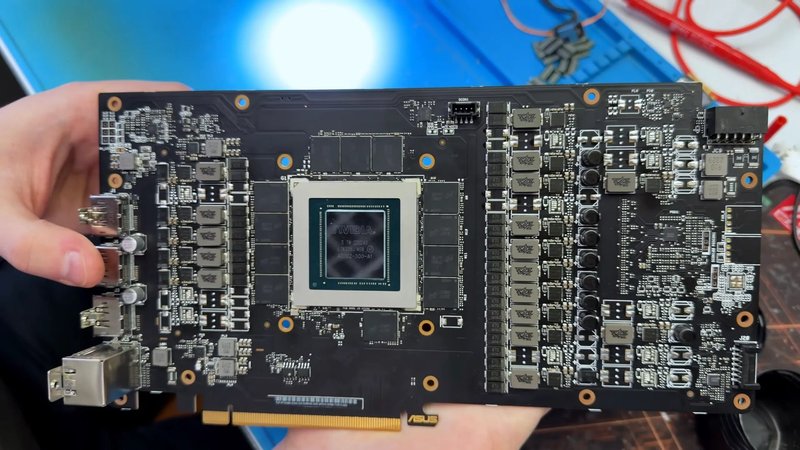
The card's most theatrical component was a plastic die, molded to imitate NVIDIA's AD102-300-A1. There was no actual silicon; the board produced no video signal and was not detected as a CUDA accelerator. Worse, the VRAM modules — a critical element for loading and running LLMs — were non-functional, rendering the device useless for computation. The “2030” code-name label added a grotesque touch to an already brazen fraud.
Why VRAM is the lifeblood of local inference
Without working VRAM, any attempt to serve models like LLaMA or Mistral on this card would fail at the start. Modern LLMs load the entire architecture plus the key/value cache into VRAM; a minimum of 24 GB (typical for a genuine 4090) allows handling models up to 30 billion parameters in FP16, or larger ones via quantization. The scam exploits the scarcity of GPUs suitable for inference, preying on the desperation of those seeking low-cost compute power.
Impact on builders of on-premise infrastructure
This is not just a consumer curiosity. Many labs and small businesses that adopt on-premise deployment for data sovereignty reasons purchase GPUs from unofficial resellers, lured by lower prices compared to enterprise channels. A counterfeit card in an inference cluster can cause downtime, data corruption, and an unforeseen TCO far exceeding the initial savings. AI-RADAR continuously monitors the trade-off between consumer and professional hardware: warranty and certified provenance are not optional but must be integrated into any total-cost-of-ownership analysis.
Verification and supply chain: lessons for AI procurement
Anyone managing a self-hosted LLM fleet should adopt validation procedures akin to those in regulated industries: physical inspection, immediate benchmarks with real workloads (e.g., tokens/s on test models), cross-checking serial numbers via official NVIDIA channels. Tools like nvidia-smi and VRAM diagnostic software can quickly unmask silicon-less fakes. For those evaluating on-premise deployment, AI-RADAR provides frameworks that include supply chain robustness among decision factors, alongside throughput, latency, and GDPR compliance.
A symptom of a market under pressure
The existence of fake RTX 4090s reflects a demand for AI accelerators that outstrips supply, pushing buyers toward risky channels. In an ecosystem where GPUs are the bottleneck for local inference, scams evolve in step with the technical sophistication of users. The "2030" date is almost a taunt, but the message is serious: hardware supply chain transparency is a prerequisite for any on-premise AI strategy aiming to retain control over costs, performance, and data.





💬 Comments (0)
🔒 Log in or register to comment on articles.
No comments yet. Be the first to comment!