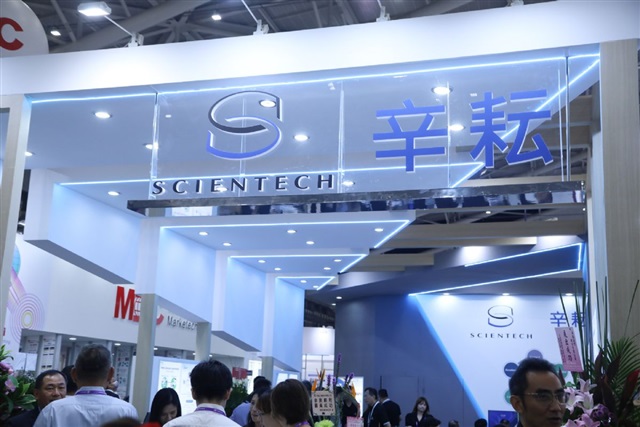
L'avanzamento di TSMC e l'impatto sulla filiera AI
Il panorama globale dei semiconduttori è in costante evoluzione, e al centro di questa trasformazione si trova Taiwan Semiconductor Manufacturing Company (TSMC), un attore chiave nella produzione di chip avanzati. Recenti sviluppi indicano che le innovazioni di TSMC, in particolare la tecnicia a 2 nanometri (2nm) e le soluzioni di packaging avanzato come CoWoS (Chip-on-Wafer-on-Substrate) e CoPoS (Chip-on-Package-on-Substrate), stanno generando un'onda positiva che si propaga lungo l'intera filiera taiwanese. Questo impulso beneficia direttamente i fornitori di attrezzature, materiali e servizi di packaging, consolidando ulteriormente la posizione di Taiwan come hub strategico per l'industria dei semiconduttori.
Il ruolo cruciale di 2nm e del packaging avanzato
La transizione verso nodi di processo più piccoli, come i 2nm, è fondamentale per l'evoluzione dei chip destinati a carichi di lavoro intensivi come quelli degli Large Language Models (LLM). Un processo a 2nm consente di integrare un numero significativamente maggiore di transistor in un'area ridotta, migliorando la densità computazionale e l'efficienza energetica. Questo si traduce in chip più potenti e meno energivori, aspetti critici per l'Inference e il training di LLM su larga scala.
Parallelamente, le tecnicie di packaging avanzato come CoWoS e CoPoS sono diventate indispensabili. Queste soluzioni permettono di impilare verticalmente diversi chip – ad esempio, un processore e moduli di memoria ad alta larghezza di banda (HBM) – su un unico substrato. Questo approccio riduce drasticamente le distanze tra i componenti, accelerando la comunicazione e aumentando la larghezza di banda della memoria, un fattore limitante per le performance degli LLM. La capacità di integrare più VRAM e migliorare il Throughput è essenziale per gestire modelli sempre più grandi e complessi, riducendo la latenza e ottimizzando l'utilizzo delle risorse hardware.
Implicazioni per i deployment on-premise di LLM
Per le organizzazioni che valutano deployment di LLM on-premise, questi progressi tecnicici di TSMC sono di primaria importanza. La disponibilità di chip più performanti ed efficienti, resi possibili dai nodi a 2nm e dal packaging CoWoS/CoPoS, incide direttamente sul Total Cost of Ownership (TCO) delle infrastrutture AI locali. Hardware più efficiente significa minori consumi energetici e, potenzialmente, una maggiore densità di calcolo per rack, ottimizzando gli investimenti in CapEx e OpEx.
In un contesto dove la sovranità dei dati, la compliance normativa e la sicurezza sono priorità assolute, la possibilità di implementare LLM in ambienti self-hosted o air-gapped dipende strettamente dalla capacità di disporre di hardware all'avanguardia. Questi sviluppi nel silicio e nel packaging consentono di costruire infrastrutture robuste e competitive rispetto alle alternative cloud, offrendo il controllo completo sui dati e sui modelli. Per chi valuta deployment on-premise, esistono framework analitici che possono aiutare a definire i trade-off tra performance, costi e requisiti di sicurezza.
Il futuro dell'innovazione nei semiconduttori
L'impatto di TSMC sulla sua filiera e, di riflesso, sull'intero ecosistema tecnicico globale, sottolinea l'importanza strategica dell'innovazione continua nel settore dei semiconduttori. Man mano che i Large Language Models e altre applicazioni di intelligenza artificiale diventano sempre più sofisticate, la domanda di hardware capace di supportare carichi di lavoro computazionali estremi continuerà a crescere. Le tecnicie come i 2nm e il packaging avanzato non sono solo un traguardo tecnico, ma un pilastro fondamentale per lo sviluppo futuro dell'AI, garantendo che le infrastrutture possano evolvere per soddisfare le esigenze di un mondo sempre più guidato dai dati e dall'intelligenza artificiale.






💬 Commenti (0)
🔒 Accedi o registrati per commentare gli articoli.
Nessun commento ancora. Sii il primo a commentare!