TSMC e l'onda lunga della domanda AI
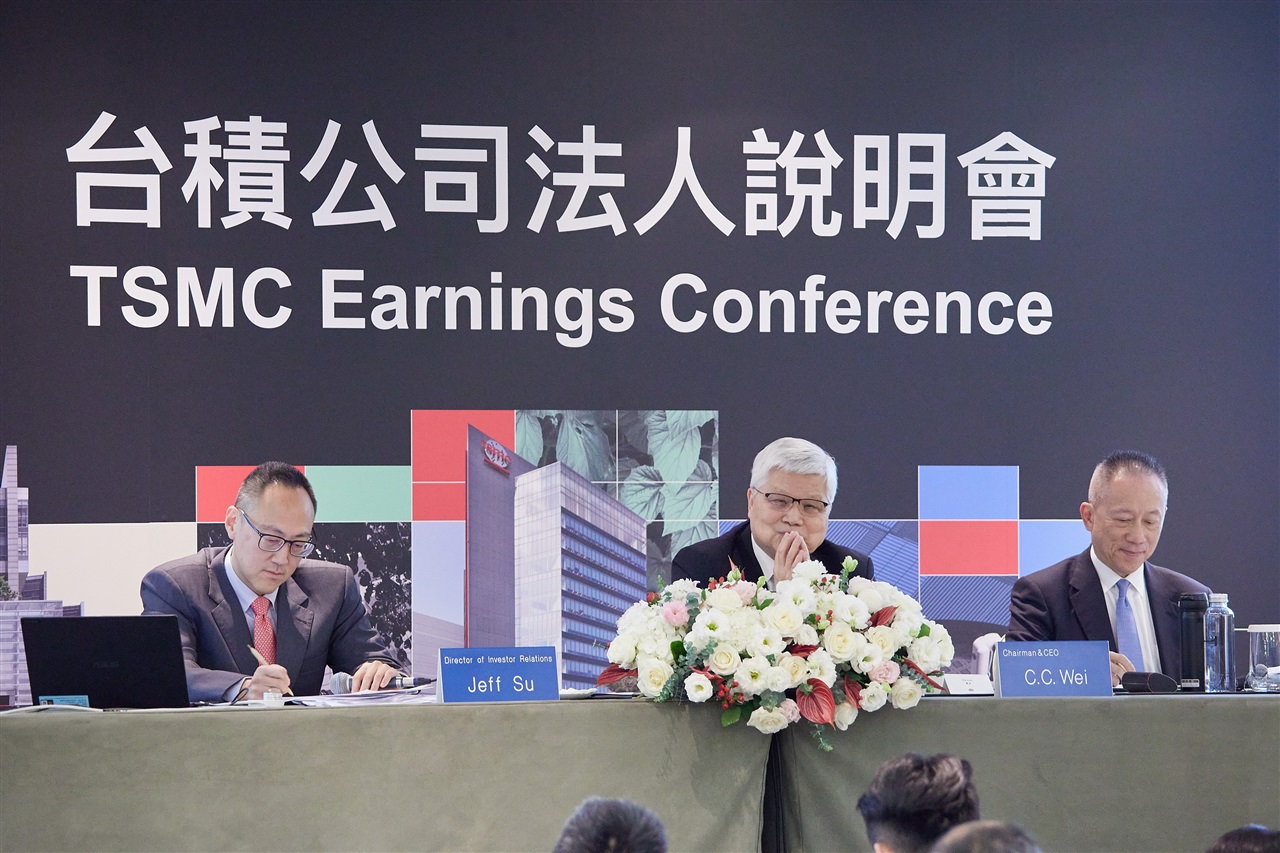
Il colosso taiwanese TSMC, leader mondiale nella produzione di semiconduttori, ha recentemente comunicato un outlook estremamente ottimistico per il secondo trimestre del 2026. Questa previsione, che "alza l'asticella" rispetto alle aspettative precedenti, è interamente trainata da una domanda di intelligenza artificiale che, secondo l'azienda, non accenna a diminuire. L'annuncio, riportato da Digitimes, sottolinea una tendenza di mercato consolidata: l'AI non è una moda passeggera, ma un motore di crescita strutturale per l'industria tecnicica.
La costante espansione dei Large Language Models (LLM) e l'adozione diffusa di soluzioni AI in vari settori, dalla finanza alla sanità, stanno generando una richiesta senza precedenti di potenza di calcolo. Questo si traduce direttamente in una domanda elevata per i chip avanzati prodotti da TSMC, che sono il cuore pulsante delle infrastrutture AI, sia che si tratti di deployment in cloud sia di soluzioni self-hosted.
Implicazioni per la catena di fornitura e l'hardware AI
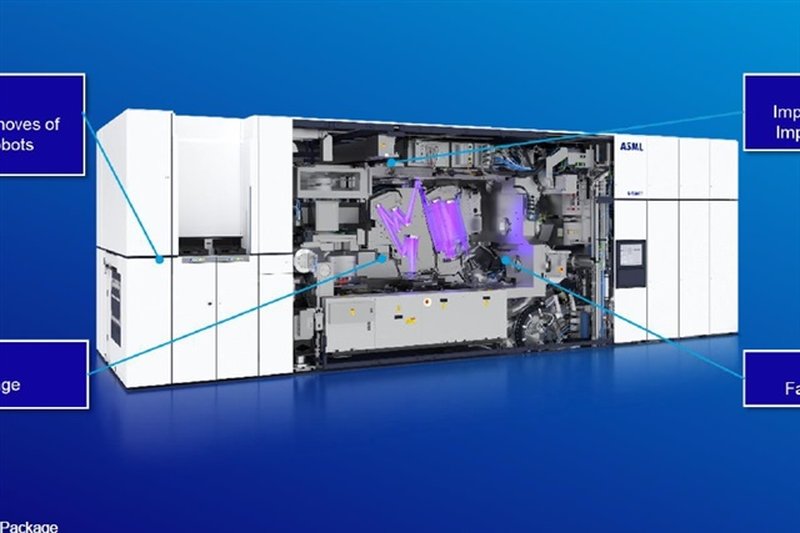
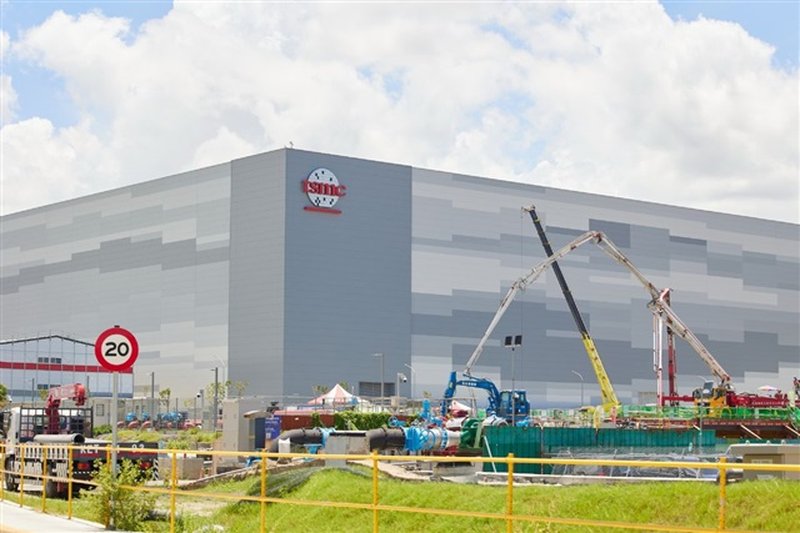
L'outlook positivo di TSMC, se da un lato rassicura sulla vitalità del settore, dall'altro accentua le sfide per la catena di fornitura globale. La produzione di chip all'avanguardia richiede processi complessi e investimenti massicci, e la capacità produttiva non può essere aumentata all'infinito nel breve termine. Questo scenario si traduce in una potenziale scarsità di componenti critici, come le GPU ad alte prestazioni e la VRAM associata, essenziali per l'inference e il training di LLM complessi.
Per le aziende che valutano un deployment on-premise per i propri carichi di lavoro AI, l'accesso a questo hardware diventa un fattore strategico primario. La disponibilità di GPU con ampie capacità di VRAM, come le A100 o le più recenti H100, è fondamentale per gestire modelli di grandi dimensioni e garantire throughput elevati con bassa latenza. La pianificazione a lungo termine e la gestione delle relazioni con i fornitori diventano cruciali per mitigare i rischi legati alla disponibilità e al TCO complessivo dell'infrastruttura.
Strategie di deployment e sovranità dei dati
La pressione sulla catena di fornitura ha un impatto diretto sulle decisioni strategiche relative al deployment di soluzioni AI. Mentre il cloud offre flessibilità e scalabilità immediata, le considerazioni su sovranità dei dati, compliance normativa (come il GDPR) e costi operativi a lungo termine spingono molte organizzazioni verso architetture self-hosted o ibride. In questo contesto, la capacità di acquisire e mantenere hardware proprietario diventa un vantaggio competitivo.
La scelta tra un'infrastruttura on-premise e un servizio cloud non è mai banale e richiede un'analisi approfondita dei trade-off. Per chi valuta deployment on-premise, AI-RADAR offre framework analitici su /llm-onpremise per valutare i costi iniziali (CapEx) rispetto ai costi operativi (OpEx), l'efficienza energetica e i requisiti di raffreddamento, oltre alla gestione della sicurezza in ambienti air-gapped. La capacità di TSMC di soddisfare la domanda futura sarà un fattore chiave per la fattibilità e la scalabilità di queste strategie.
Prospettive future e l'importanza del silicio
L'ottimismo di TSMC per il 2026 è un chiaro indicatore della traiettoria ascendente dell'intelligenza artificiale. La continua innovazione nel campo degli LLM, della robotica e dell'automazione dipenderà in larga misura dalla disponibilità di silicio sempre più potente ed efficiente. Questo scenario impone alle aziende di adottare un approccio proattivo nella pianificazione della propria infrastruttura AI, considerando non solo le esigenze attuali ma anche le proiezioni future.
La capacità di un'azienda di assicurarsi l'hardware necessario per l'inference e il training on-premise non è solo una questione tecnica, ma una decisione strategica che influenza la competitività, la sicurezza dei dati e la capacità di innovazione. TSMC, con le sue previsioni, non fa che rafforzare la consapevolezza che il futuro dell'AI è intrinsecamente legato alla capacità di produzione di semiconduttori e alla resilienza della loro catena di fornitura.





💬 Commenti (0)
🔒 Accedi o registrati per commentare gli articoli.
Nessun commento ancora. Sii il primo a commentare!