TSMC and the Semiconductor Supply Chain: A Pillar for On-Premise AI
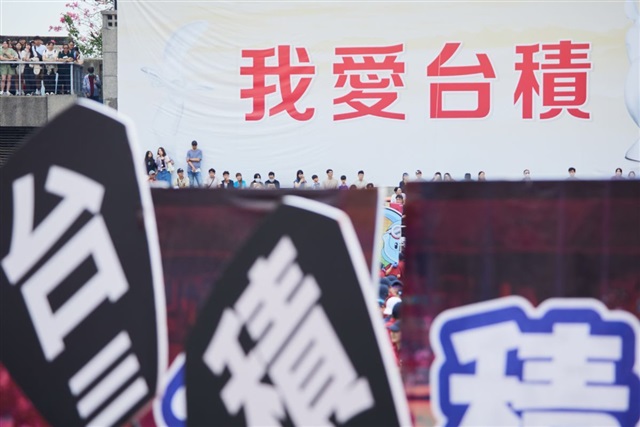
TSMC (Taiwan Semiconductor Manufacturing Company) stands as an undisputed giant in the global semiconductor manufacturing landscape. The company, based in Taiwan, is not just a key player but the linchpin around which much of the modern technology industry revolves. Its ability to produce cutting-edge chips, from smartphone processors to the most powerful GPUs, makes it an indispensable partner for the world's largest tech companies. This strategic position is particularly relevant in the era of artificial intelligence, where the demand for high-performance silicio is constantly growing.
TSMC's centrality in the global supply chain is a critical factor for any organization evaluating the implementation of AI workloads, especially for Large Language Models (LLM). The availability and innovation of chips produced by TSMC directly influence companies' ability to access the necessary hardware for training and inference, both in cloud environments and, crucially, in on-premise deployments. The resilience of this supply chain is therefore a fundamental analytical element for CTOs and infrastructure architects.
TSMC's Role in the AI Landscape
In the context of artificial intelligence, the chips produced by TSMC are the invisible engine powering innovation. NVIDIA's GPUs, Google's and Apple's accelerators, and many other crucial components for AI, depend on TSMC's foundries. These components are essential for training complex models and for high-speed inference, which requires enormous amounts of VRAM and computing power. TSMC's ability to push the limits of lithography, producing smaller and more powerful chips, is what enables the evolution of LLM capabilities and other AI applications.
For companies considering a self-hosted approach for their LLMs, dependence on TSMC translates into a series of practical considerations. The availability of specific hardware, such as GPUs with large amounts of VRAM, is directly related to TSMC's production capacity. Any interruptions or delays in production can have a significant impact on deployment times and costs, affecting the Total Cost of Ownership (TCO) of on-premise infrastructures. This makes the semiconductor supply chain a non-negligible element in strategic planning.
Implications for On-Premise Deployments and Sovereignty
The choice of an on-premise deployment for AI workloads is often driven by data sovereignty requirements, regulatory compliance, or the need for air-gapped environments. However, the realization of these architectures intrinsically depends on the availability of high-performance hardware. TSMC's dominant position in advanced silicio production means that its operational stability and ability to meet global demand are external but critical factors for the feasibility and scalability of self-hosted solutions.
The TCO evaluation for an on-premise AI infrastructure must therefore consider not only the direct costs of hardware acquisition and management but also the risks associated with the supply chain. Dependence on a single foundry provider, however reliable, introduces a point of vulnerability that must be mitigated through careful planning and, where possible, diversification of supply sources. For those evaluating on-premise deployments, analytical frameworks are available on AI-RADAR, specifically in the /llm-onpremise section, which can help assess these complex trade-offs, offering tools for in-depth analysis of constraints and opportunities.
Future Outlook and Trade-offs
The future of the semiconductor supply chain is a topic of global debate, with many countries seeking to strengthen their own production capabilities to reduce dependence on a single region. However, TSMC's technological leadership and scale are difficult to replicate in the short term. This reality forces companies to continue navigating an ecosystem where the availability of advanced silicio is a limiting and strategic factor.
The choice between a cloud deployment and an on-premise infrastructure for AI is never simple and involves a series of trade-offs. While the cloud offers flexibility and immediate scalability, on-premise provides greater control and sovereignty. Both approaches, however, are intrinsically linked to TSMC's ability to provide fundamental components. Understanding TSMC's role and the dynamics of the supply chain is therefore essential for making informed decisions that balance performance, cost, security, and control in the long term.






💬 Comments (0)
🔒 Log in or register to comment on articles.
No comments yet. Be the first to comment!