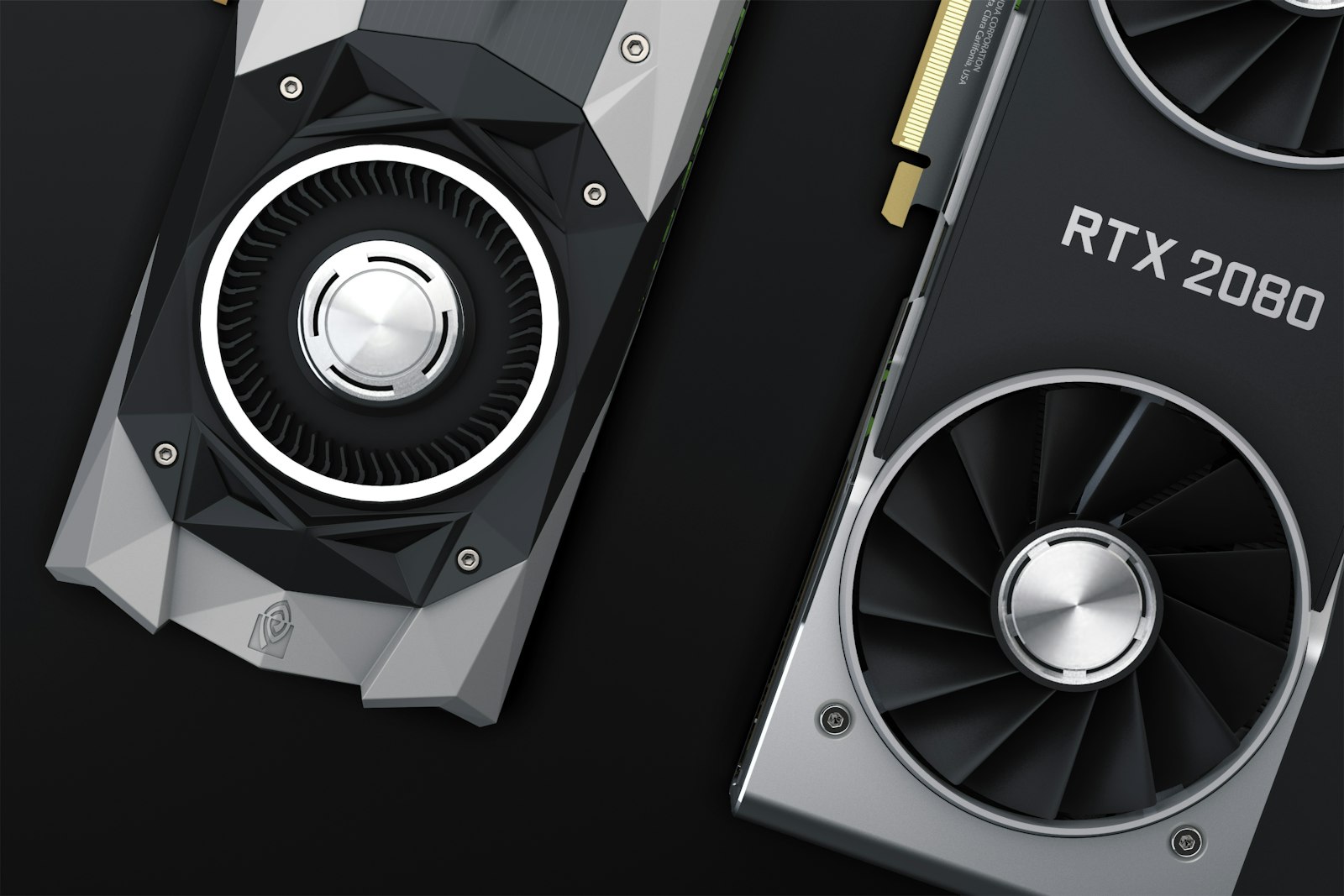
Il ruolo centrale di TSMC nella produzione di chip AI
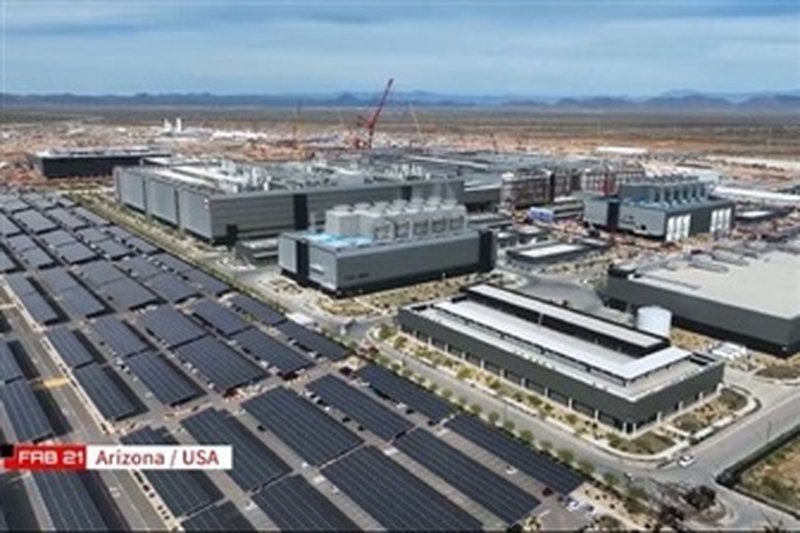
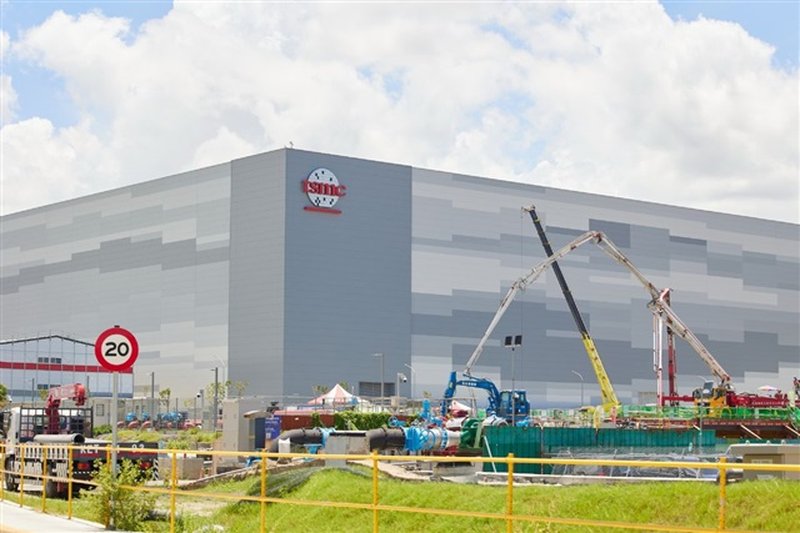
TSMC (Taiwan Semiconductor Manufacturing Company) si conferma un attore indispensabile nell'ecosistema tecnicico globale, in particolare per la produzione di semiconduttori avanzati che alimentano l'intelligenza artificiale. La sua posizione dominante come fonderia indipendente la rende il partner privilegiato per la fabbricazione di chip ad alte prestazioni, inclusi gli acceleratori GPU e gli ASIC (Application-Specific Integrated Circuit) essenziali per i carichi di lavoro AI. La capacità di TSMC di produrre silicio con processi produttivi all'avanguardia è un fattore critico che abilita lo sviluppo e il deployment di Large Language Models (LLM) e altre applicazioni di AI.
Questa centralità implica che la disponibilità e l'innovazione nel settore AI sono strettamente legate alle capacità produttive e alle roadmap tecniciche di TSMC. Per le aziende che mirano a costruire e gestire infrastrutture AI robuste, specialmente in contesti on-premise o air-gapped, comprendere la dinamica della catena di fornitura dei chip è fondamentale. La dipendenza da un numero limitato di fonderie avanzate introduce considerazioni strategiche significative, che vanno oltre la semplice scelta dell'hardware, toccando aspetti come la resilienza della catena di approvvigionamento e la pianificazione a lungo termine.
Implicazioni per i deployment AI on-premise
La dipendenza da fonderie come TSMC ha un impatto diretto sulle decisioni di deployment on-premise per i carichi di lavoro AI. Le aziende che optano per soluzioni self-hosted devono affrontare le sfide legate all'approvvigionamento di hardware specifico, come GPU con elevata VRAM e throughput, spesso soggette a lunghi tempi di consegna e a costi fluttuanti. Questo scenario rende la pianificazione CapEx e l'analisi del Total Cost of Ownership (TCO) particolarmente complesse, richiedendo una visione strategica che tenga conto non solo del prezzo di acquisto, ma anche della disponibilità futura e della longevità del silicio.
Per CTO e architetti infrastrutturali, la scelta di un deployment on-premise è spesso motivata da esigenze di sovranità dei dati, compliance normativa (come il GDPR) o la necessità di operare in ambienti strettamente controllati. In questi contesti, avere il controllo diretto sull'hardware e sull'intera pipeline di AI è prioritario. Tuttavia, tale controllo è intrinsecamente legato alla capacità di acquisire il silicio necessario, rendendo la relazione con i produttori di chip e le fonderie un elemento chiave della strategia infrastrutturale. La personalizzazione dei chip o l'ottimizzazione per specifiche esigenze di inference o fine-tuning diventano possibili solo con un accesso privilegiato o una pianificazione anticipata nella catena di fornitura.
La sfida dell'integrazione verticale nel settore AI
Il desiderio di un maggiore controllo sulla catena di fornitura e di ottimizzazione delle performance ha spinto alcune delle maggiori aziende tecniciche a esplorare l'integrazione verticale, ovvero la progettazione e, in alcuni casi, la produzione interna del proprio silicio. L'idea è quella di creare chip specifici per le proprie esigenze di AI, massimizzando l'efficienza e riducendo la dipendenza da fornitori esterni. Questo approccio promette vantaggi significativi in termini di performance, efficienza energetica e controllo sui costi a lungo termine, oltre a una maggiore resilienza della catena di approvvigionamento.
Tuttavia, la realizzazione di una fonderia o anche solo la progettazione di chip avanzati rappresenta un'impresa colossale. Richiede investimenti massicci in ricerca e sviluppo, l'acquisizione di competenze ingegneristiche altamente specializzate e, nel caso della produzione, la costruzione di impianti di fabbricazione (fabs) che costano decine di miliardi di dollari. Per la maggior parte delle aziende, anche quelle con risorse considerevoli, la complessità e il CapEx associati rendono l'integrazione verticale completa un sogno irrealizzabile. La collaborazione con fonderie specializzate come TSMC rimane quindi la via più praticabile per accedere al silicio all'avanguardia, bilanciando il desiderio di controllo con la realtà dei costi e delle competenze necessarie.
Prospettive future e decisioni strategiche
Il panorama della produzione di chip per l'AI è in continua evoluzione, con una crescente domanda di soluzioni sempre più potenti ed efficienti. Mentre TSMC continua a spingere i confini della tecnicia dei semiconduttori, le aziende che sviluppano e deployano soluzioni AI devono navigare in un ambiente complesso, bilanciando innovazione, costi e controllo. La decisione tra affidarsi a fornitori esterni o perseguire forme di integrazione verticale, anche parziale, è una scelta strategica che incide profondamente sulla capacità di un'organizzazione di scalare le proprie operazioni AI.
Per i decision-maker, comprendere i trade-off tra l'acquisto di hardware standardizzato e la ricerca di soluzioni personalizzate è cruciale. Fattori come la sovranità dei dati, i requisiti di sicurezza per ambienti air-gapped e l'ottimizzazione del TCO sono al centro di queste valutazioni. AI-RADAR offre framework analitici su /llm-onpremise per aiutare le aziende a valutare questi complessi trade-off, fornendo una base solida per decisioni informate sui deployment on-premise e ibridi. Il futuro dell'AI dipenderà non solo dall'innovazione algoritmica, ma anche dalla capacità di gestire strategicamente la catena di fornitura del silicio che la rende possibile.





💬 Commenti (0)
🔒 Accedi o registrati per commentare gli articoli.
Nessun commento ancora. Sii il primo a commentare!