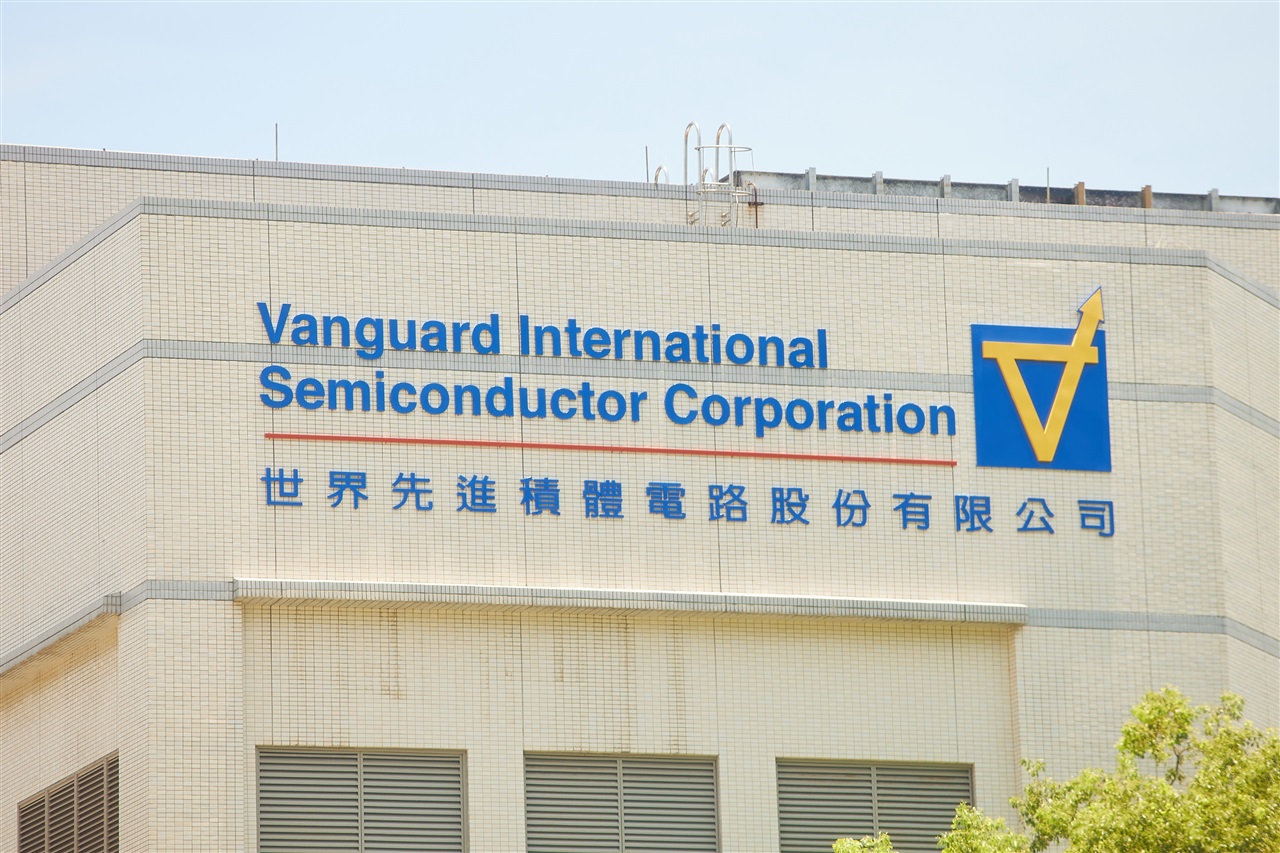
Silicon foundry revenue from Taiwan surged 54% year-over-year in June, driven by TSMC and its affiliate Vanguard. The figure, reported by Digitimes, is a clear signal: demand for artificial intelligence chips shows no signs of slowing, as data centers around the globe keep stockpiling GPUs and specialized accelerators for Large Language Model inference.
Behind that 54% jump lies much more than a cyclical semiconductor upturn. TSMC's most advanced nodes – from 4-nanometer process technology down to CoWoS advanced packaging lines – are the physical assembly line for NVIDIA's H100, AMD's MI300, and a growing family of custom chips from the hyperscalers. If foundries are racing at this pace, it means the global AI compute fleet is expanding far faster than many predicted just six months ago. For anyone evaluating bringing LLM inference or fine-tuning in-house, this acceleration serves as both a warning and a crucial temperature check.
The first-order impact is obvious: supply pressure remains extreme. Lead times for large GPU orders are not shrinking; each new massive cloud contract gobbles up manufacturing capacity that might otherwise reach the enterprise market. For organizations aiming for self-hosted infrastructure – perhaps to keep sensitive data off the cloud and meet sovereignty requirements – the bottleneck is no longer just technical. It's one of pure availability. When the world's leading foundry posts growth like this, it's time to recalculate procurement plans with clear eyes: AI hardware is fiercely contested.
Then there's the second, more structural effect. TSMC isn't just a logic-chip contract manufacturer. Its investments in advanced packaging (CoWoS, SoIC) have become the chokepoint for many AI accelerators. The June revenue boom therefore signals that packaging capacity is expanding, but also that demand is filling it up rapidly. This directly impacts the Total Cost of Ownership (TCO) of an on-premise cluster: if the scarcest components stay expensive, the break-even point versus cloud stretches further out. And it's not just about GPUs – high-speed networking fabrics and switches for inference clusters also depend on silicon coming out of the same foundries.
Vanguard, for its part, operates away from the AI spotlight but shouldn't be overlooked. It works on less extreme process technologies and counts automotive, industrial, and edge computing customers in its portfolio. Its contribution to the 54% rise suggests that semiconductor demand is broad, not limited to the handful of training giants. For those designing on-premise deployments in edge settings – manufacturing sites, hospitals, critical infrastructure – a lively foundry like Vanguard is a positive sign: it indicates the ecosystem of companion chips (MCUs, network chips, peripheral processors) is not standing still.
In short, the June figure is more than a balance-sheet metric. It's a snapshot of the strained silicon supply chain that enables AI, from hyperscale cloud to on-premise racks. For anyone deciding whether and when to invest in local infrastructure, this kind of information is what separates a realistic strategy from a wish list.





💬 Comments (0)
🔒 Log in or register to comment on articles.
No comments yet. Be the first to comment!