
TSMC, l'espansione negli USA rallenta: il successo di JASM in Giappone
L'industria dei semiconduttori, pilastro fondamentale dell'innovazione tecnicica e motore dell'attuale rivoluzione dell'intelligenza artificiale, si trova al centro di complesse dinamiche geopolitiche e logistiche. In questo scenario, le strategie di espansione dei principali produttori di chip sono osservate con attenzione, data la loro influenza diretta sulla disponibilità di silicio essenziale per ogni tipo di infrastruttura, dai data center cloud ai deployment AI on-premise.
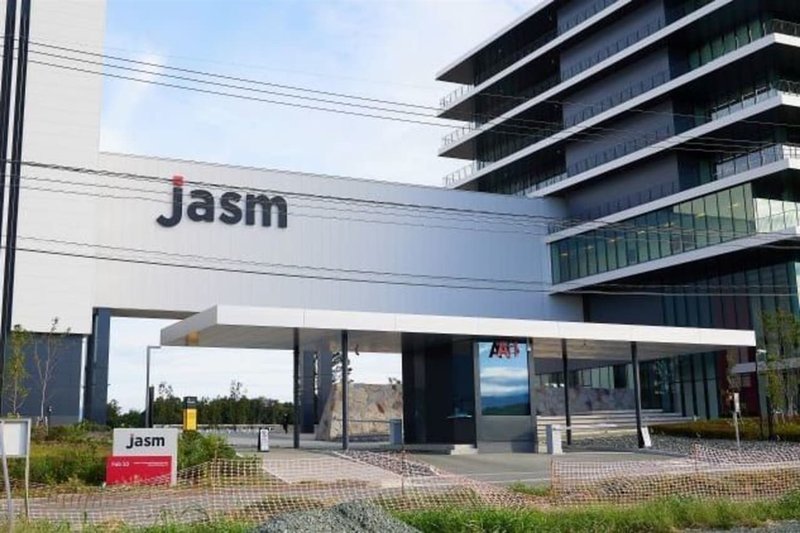
Recentemente, l'espansione di TSMC negli Stati Uniti ha incontrato ostacoli significativi, come riportato da DIGITIMES. Questa situazione contrasta con il progresso spedito della joint venture JASM (Japan Advanced Semiconductor Manufacturing) in Giappone, che sembra procedere senza intoppi. Le difficoltà incontrate da un colosso come TSMC in un mercato chiave come quello statunitense sollevano interrogativi sulle sfide intrinseche alla localizzazione della produzione di chip avanzati.
Le sfide dell'espansione e il ruolo del silicio
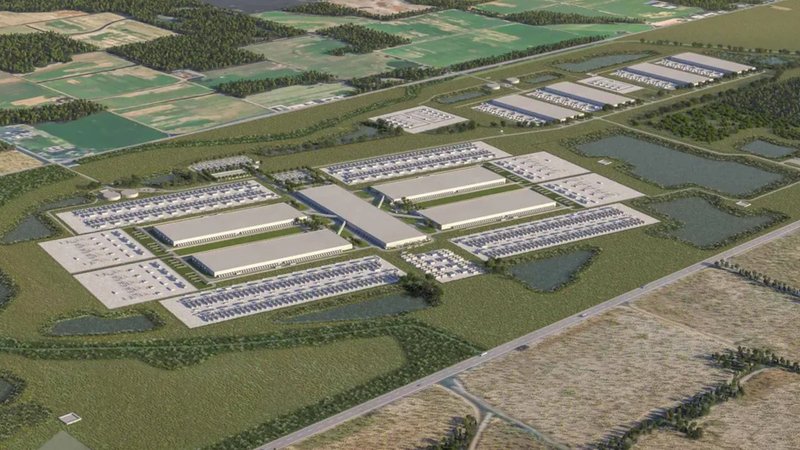
La costruzione di nuove fabbriche di semiconduttori, note come "fab", rappresenta un'impresa colossale che richiede investimenti di capitale (CapEx) nell'ordine di decine di miliardi di dollari. Oltre all'ingente esborso finanziario, queste operazioni comportano la necessità di manodopera altamente specializzata, infrastrutture complesse e un ecosistema di fornitori robusto. Le difficoltà di TSMC negli Stati Uniti potrebbero derivare da una combinazione di questi fattori, inclusi i costi operativi più elevati, la carenza di personale qualificato o le complessità burocratiche.
La disponibilità di silicio avanzato è cruciale per alimentare la crescente domanda di Large Language Models (LLM) e altre applicazioni di intelligenza artificiale. Le GPU, con la loro VRAM e capacità di throughput, sono il cuore pulsante dell'inference e del training di questi modelli. Un'interruzione o un rallentamento nella catena di approvvigionamento del silicio può avere ripercussioni dirette sui costi e sui tempi di deployment per le aziende che cercano di costruire o espandere le proprie capacità AI, in particolare per chi opta per soluzioni self-hosted o bare metal.
Il contesto geopolitico e la sovranità tecnicica
Le decisioni relative alla localizzazione della produzione di semiconduttori non sono puramente economiche, ma sono profondamente influenzate da considerazioni geopolitiche. Molti paesi mirano a rafforzare la propria "sovranità tecnicica" riducendo la dipendenza da un'unica regione o fornitore per componenti critici. Questo spinge verso la diversificazione della produzione, anche se ciò comporta costi iniziali più elevati. Il successo di JASM in Giappone può essere visto come un esempio di questa tendenza, con il governo giapponese che supporta attivamente la creazione di un ecosistema locale.
Per le aziende che operano in settori regolamentati o che gestiscono dati sensibili, la sovranità dei dati e la compliance sono priorità assolute. La capacità di garantire una catena di approvvigionamento sicura e localizzata per l'hardware AI può essere un fattore determinante nella scelta tra deployment on-premise e soluzioni cloud. La stabilità della fornitura di silicio è quindi un elemento chiave per la pianificazione a lungo termine e per la gestione del Total Cost of Ownership (TCO) delle infrastrutture AI.
Implicazioni per i deployment AI on-premise
Le dinamiche nella produzione di semiconduttori hanno un impatto diretto sulle strategie di deployment AI delle imprese. Per le organizzazioni che privilegiano il controllo, la sicurezza e la sovranità dei dati, i deployment on-premise rappresentano una scelta strategica. Tuttavia, la fattibilità e l'efficienza di tali approcci dipendono fortemente dalla disponibilità e dal costo del silicio avanzato. Le incertezze nella catena di approvvigionamento possono aumentare i rischi e i costi associati all'acquisizione di GPU e altri componenti hardware essenziali.
La capacità di un'azienda di implementare e scalare i propri Large Language Models in ambienti air-gapped o self-hosted è intrinsecamente legata alla stabilità del mercato dei semiconduttori. Per chi valuta deployment on-premise, è fondamentale considerare i trade-off tra costi iniziali, flessibilità operativa e sicurezza della catena di approvvigionamento. AI-RADAR offre framework analitici su /llm-onpremise per aiutare a valutare questi vincoli e le opportunità, fornendo una prospettiva neutrale sulle decisioni di investimento in infrastrutture AI.





💬 Commenti (0)
🔒 Accedi o registrati per commentare gli articoli.
Nessun commento ancora. Sii il primo a commentare!