
Introduction
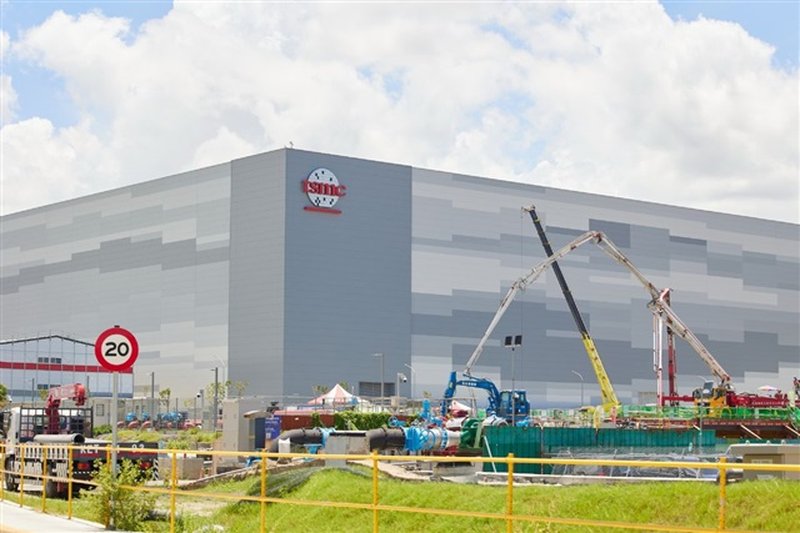
TSMC, the undisputed leader in semiconductor manufacturing, is facing significant limitations in its 3-nanometer production. This situation, currently impacting the availability of Apple Macs, reflects a broader tension in the global supply chain for advanced silicio. For enterprises evaluating on-premise Large Language Model (LLM) deployments, the availability of cutting-edge hardware is a critical factor that can directly influence planning and implementation.
The transition to smaller and more complex production nodes, such as 2nm, is expected to alleviate these pressures, promising greater efficiency and performance. However, the path to achieving stable and sufficient mass production is not without obstacles, and the implications for the AI hardware market are considerable.
The 3nm Node and Its Implications
TSMC's 3nm process represents the state-of-the-art for many high-performance chips, including those powering Apple Macs and, by extension, a wide range of Graphics Processing Units (GPUs) and custom accelerators used for LLM inference and training. Limitations in this production phase not only slow down the availability of final consumer products but can also influence the costs and delivery times for server hardware and enterprise AI solutions.
The growing demand for silicio for artificial intelligence, coupled with the complexity and high costs of advanced node production, creates a volatile market environment. This scenario makes hardware procurement planning a fundamental strategic component for any organization intending to invest in significant AI capabilities.
Challenges for On-Premise AI Infrastructure
For CTOs, DevOps leads, and infrastructure architects aiming to build local stacks for LLMs, TSMC's supply constraints translate into longer waiting times and potentially higher prices for GPUs and other critical components. Planning an on-premise deployment requires a careful evaluation of the Total Cost of Ownership (TCO), which includes not only the initial hardware cost but also its availability, scalability, and supply chain resilience.
Data sovereignty, regulatory compliance, and direct control over infrastructure are often the primary motivations for choosing self-hosted or air-gapped solutions. However, these strategic decisions must contend with the reality of a complex and sometimes unpredictable global supply chain. For those evaluating on-premise deployments, AI-RADAR offers analytical frameworks on /llm-onpremise to assess these trade-offs in an informed manner.
Future Prospects: The Arrival of 2nm
The industry is closely watching the introduction and scaling of TSMC's 2nm process. This new generation of silicio promises significant improvements in transistor density, energy efficiency, and performance, essential for future LLM and general AI developments. Innovation in production nodes is a key driver for unlocking new computational capabilities and reducing energy consumption, crucial factors for the sustainability and scalability of AI infrastructures.
However, transitioning to a new production node is a complex and gradual undertaking, requiring massive investments and precision engineering. Until 2nm is fully operational and its production capacity has reached significant volumes, pressures on 3nm, and consequently on the availability of advanced hardware, may persist. Companies must therefore continue to monitor the evolution of the semiconductor market to make informed and resilient decisions about their AI deployment strategies.







💬 Comments (0)
🔒 Log in or register to comment on articles.
No comments yet. Be the first to comment!