
TSMC rafforza la produzione di chip negli Stati Uniti con un maxi-investimento in Arizona
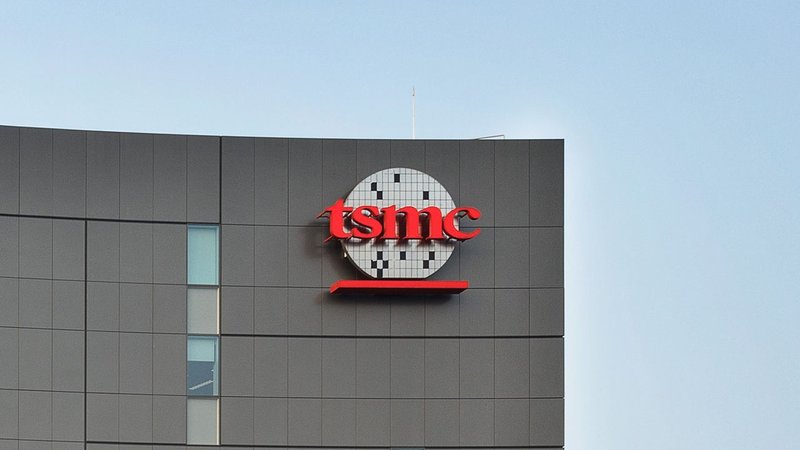
Il panorama globale della produzione di semiconduttori è in costante evoluzione, con un'attenzione crescente alla diversificazione geografica e alla resilienza delle supply chain. In questo contesto, emergono notizie significative riguardo ai piani di espansione di TSMC, il principale produttore mondiale di chip a contratto. L'azienda taiwanese avrebbe in programma la costruzione di ben 12 nuove fabbriche di semiconduttori (fabs) e quattro impianti dedicati al packaging avanzato nello stato dell'Arizona, negli Stati Uniti.
Questa iniziativa, che si inserisce in un più ampio investimento da 500 milioni di dollari concordato tra Taiwan e gli Stati Uniti, sottolinea la volontà di rafforzare la capacità produttiva locale. Per le aziende che dipendono da silicio avanzato per carichi di lavoro intensivi, come quelli legati agli LLM e all'AI, la disponibilità di una produzione più vicina può avere implicazioni dirette sulla stabilità delle forniture e sulla gestione dei rischi.
Il ruolo strategico di fabs e packaging nella supply chain dei semiconduttori
Le fabbriche di semiconduttori, o “fabs”, rappresentano il cuore pulsante dell'industria, dove il silicio viene trasformato in chip complessi attraverso processi di litografia e deposizione. La costruzione di una fab è un'impresa che richiede investimenti miliardari, anni di lavoro e competenze ingegneristiche di altissimo livello. Ogni nuova fab aggiunge capacità produttiva critica, essenziale per soddisfare la domanda crescente di chip in settori che vanno dall'automotive all'intelligenza artificiale.
Parallelamente, gli impianti di packaging sono altrettanto cruciali. Il packaging è la fase finale della produzione di un chip, dove il die di silicio viene incapsulato e collegato ai pin esterni per l'integrazione in schede elettroniche. Le tecniche di packaging avanzato, come il 3D stacking o l'integrazione di chiplet, sono fondamentali per migliorare le prestazioni, ridurre i consumi energetici e aumentare la densità dei componenti, aspetti vitali per le GPU e gli acceleratori AI che alimentano l'Inference e il training di Large Language Models. La localizzazione di questi impianti può ridurre i tempi di consegna e i rischi logistici.
Implicazioni per la sovranità dei dati e il TCO delle infrastrutture AI
La decisione di TSMC di espandere la propria presenza produttiva negli Stati Uniti ha risvolti significativi per le imprese che valutano il Deployment di soluzioni AI. Una maggiore capacità produttiva locale può contribuire a una maggiore stabilità della supply chain, riducendo la dipendenza da singole regioni geografiche e mitigando i rischi geopolitici. Questo è particolarmente rilevante per le organizzazioni che necessitano di garanzie sulla provenienza e sulla disponibilità dei componenti hardware critici.
Per CTO, DevOps lead e architetti di infrastruttura, la disponibilità di silicio prodotto localmente può influenzare le decisioni relative al TCO (Total Cost of Ownership) delle infrastrutture AI self-hosted. Sebbene i costi iniziali di CapEx per l'hardware rimangano elevati, una supply chain più robusta e meno soggetta a interruzioni può tradursi in una maggiore prevedibilità dei costi operativi e una migliore pianificazione a lungo termine. Inoltre, per settori con stringenti requisiti di sovranità dei dati e compliance, la produzione di chip in aree geografiche specifiche può offrire un ulteriore livello di controllo e sicurezza, supportando la creazione di ambienti air-gapped o con requisiti di residenza dei dati specifici.
Il futuro della produzione di semiconduttori e l'ecosistema AI
L'annuncio di TSMC si inserisce in una tendenza più ampia di “reshoring” o “friend-shoring” della produzione di semiconduttori, spinta da considerazioni economiche, strategiche e di sicurezza nazionale. La creazione di un ecosistema produttivo più distribuito e resiliente è un obiettivo condiviso da molti governi e attori industriali. Questa strategia mira a prevenire future carenze di chip, come quelle osservate negli ultimi anni, che hanno avuto un impatto significativo su numerosi settori.
Per le aziende che investono in infrastrutture AI, sia per il training che per l'Inference di LLM on-premise, la disponibilità di un flusso costante di hardware all'avanguardia è fondamentale. Le nuove fabbriche e gli impianti di packaging di TSMC in Arizona rappresentano un passo concreto verso la creazione di una supply chain più robusta e diversificata, potenzialmente in grado di supportare la crescita esponenziale della domanda di potenza di calcolo per l'intelligenza artificiale. AI-RADAR continua a monitorare questi sviluppi, offrendo framework analitici su /llm-onpremise per aiutare le aziende a valutare i trade-off tra Deployment self-hosted e soluzioni cloud, considerando l'impatto di tali investimenti sulla disponibilità e sul costo del silicio.






💬 Commenti (0)
🔒 Accedi o registrati per commentare gli articoli.
Nessun commento ancora. Sii il primo a commentare!