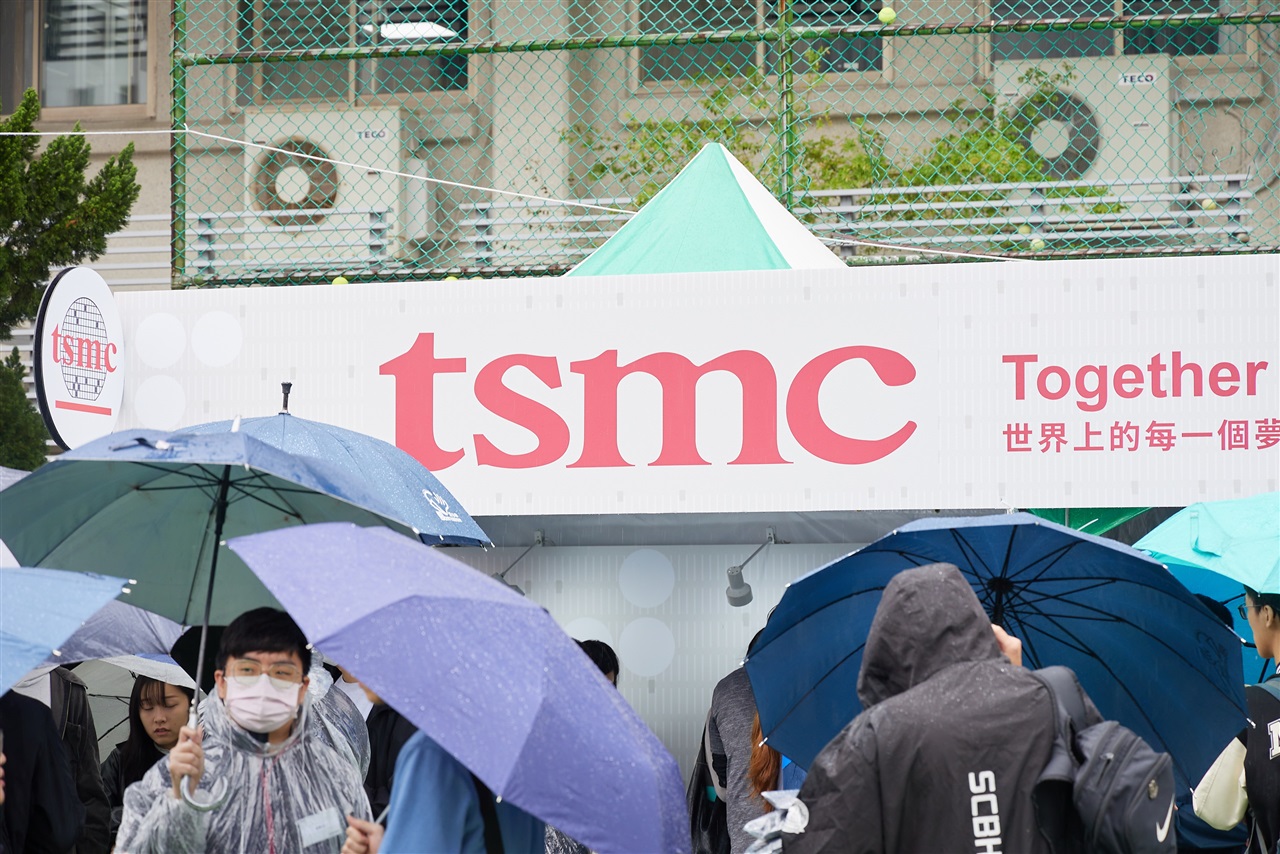
A rare snapshot of pay in the semiconductor industry. Recently disclosed regulatory filings show that TSMC, the world’s largest contract chipmaker, reports a median salary that trails four smaller, fabless IC design houses.
The figure is not just a labor curiosity. TSMC is the heartbeat of the hardware supply chain underpinning the most advanced AI systems. From data center chips by NVIDIA to custom processors used in on-premise inference servers, much of the silicon passes through its fabs. Any crack in the ability to attract and retain engineering talent becomes, over time, a production problem.
The talent knot
Taiwan sits at the global crossroads of advanced manufacturing, but competition for engineers has grown white-hot. Fabless companies – MediaTek, Novatek, Realtek, to mention the names that often appear in such rankings – can offer higher pay, often linked to healthier profit margins in a business model free from the enormous capital expenditure of foundries. They siphon away the best designers, just as TSMC must push ahead with the 3-nanometer ramp and prepare the shift to 2 nm.
Analysts know the short circuit well: every delay in ramping a production node stretches lead times for chips destined for accelerator cards and training systems. And every lost quarter echoes in the bills faced by enterprises or labs sizing their local stacks for LLM inference or fine-tuning.
Why on-premise deployments care
Anyone evaluating an on-premise deployment for large language models knows that GPU and accelerator availability is a critical variable in total cost of ownership (TCO). The pandemic and then the generative AI hype have already shown how silicon shortages can send prices soaring. In a scenario where TSMC struggles to retain skilled staff, long lead times risk becoming chronic.
This is not about a single chip batch. The complexity of advanced lithography requires an ecosystem of expertise spanning materials chemistry to factory automation. When that ecosystem loses pieces to the fabless industry, it suffers stress that reverberates on supply chain reliability.
For architects of self-hosted AI infrastructure, where hardware control is integral to data sovereignty policies, this production uncertainty is not marginal. Purchasing a GPU cluster can mean negotiating limited inventory and volatile price lists. Knowing that the main foundry struggles to stay salary-competitive adds a piece to the risk map worth monitoring.
Granted, the documents offer a median slice: they don’t reveal executive pay or tenure distribution. Yet the aggregate comparison points to a structural tension. As the world demands ever more compute power for distributed inference, the fate of next-generation hardware also hinges on paychecks that, alone, can steer the careers of silicon engineers.








💬 Comments (0)
🔒 Log in or register to comment on articles.
No comments yet. Be the first to comment!