Taiwan's UBright: A Strategic Expansion into Semiconductors and Smart Acoustics
UBright, a Taiwanese company historically recognized for its expertise in optical films, has announced a significant diversification of its operations. This strategic move marks the company's entry into new, high-growth market segments, including semiconductors, passive components, and smart acoustic solutions. The expansion reflects a broader trend in the technological landscape, where companies seek to capitalize on synergies between emerging and established sectors.
UBright's decision to broaden its scope goes beyond simple diversification. It is part of a global context of increasing demand for advanced electronic components, largely driven by the evolution of artificial intelligence and the needs of distributed computing. For companies operating in the LLM sector and evaluating on-premise deployments, the stability and variety of the semiconductor and passive component supply chain represent critical factors for planning and Total Cost of Ownership (TCO).
The Role of Semiconductors in the AI Ecosystem
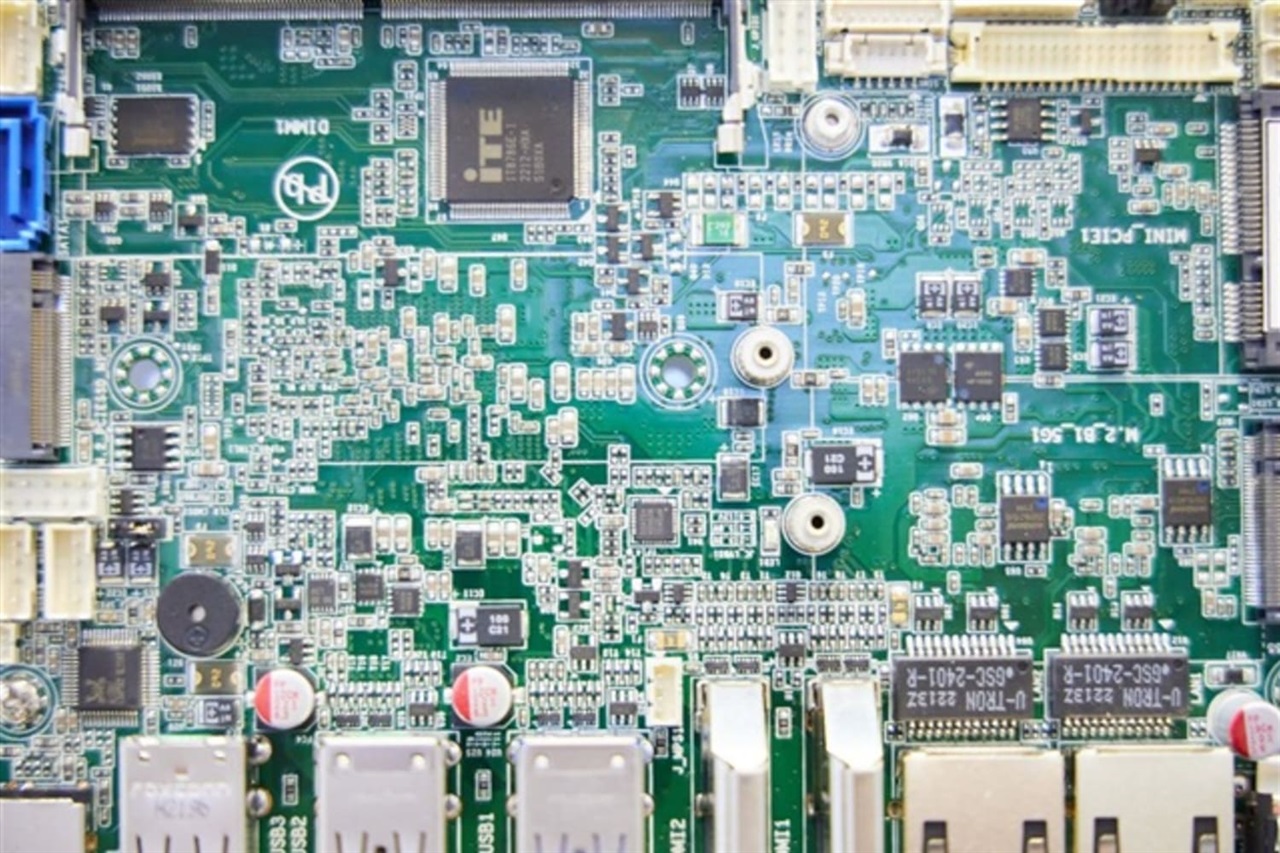
UBright's entry into the semiconductor sector, although not specified in terms of market niche, is particularly relevant to the artificial intelligence ecosystem. Semiconductors form the foundation of all computing infrastructure, from high-performance GPUs essential for LLM training and inference, to specialized chips for edge computing. Increased supply and diversification in this segment can help mitigate risks associated with reliance on a limited number of suppliers, a crucial aspect for those aiming to build robust, self-hosted AI stacks.
Passive components, often underestimated, play a fundamental role in the reliability and efficiency of electronic circuits. Their availability and quality directly influence hardware performance and longevity, a non-negligible factor in on-premise environments where resilience and long-term maintenance are priorities. The expansion into these sectors by a player like UBright could, over time, help stabilize costs and improve the availability of key components for AI infrastructure.
Implications for On-Premise Deployments and Data Sovereignty
For CTOs, DevOps leads, and infrastructure architects considering self-hosted AI solutions, the evolution of the semiconductor supply chain has a direct impact. The ability to acquire specific hardware, such as GPUs with high VRAM for Large Language Model inference, largely depends on the health and competitiveness of the component market. Greater supplier diversification can translate into increased flexibility in procurement and, potentially, a more favorable TCO for on-premise deployments.
Furthermore, data sovereignty and regulatory compliance often require air-gapped or otherwise strictly controlled environments. The ability to assemble and maintain AI infrastructures with components from a broader and more resilient supplier ecosystem strengthens organizations' capacity to maintain full control over their data and operations, reducing reliance on external cloud services and the associated implications for security and operational costs.
Future Prospects and Supply Chain Resilience
UBright's move highlights a long-term strategic trend: companies are seeking to position themselves in interconnected technological segments to create added value and ensure greater resilience. Vertical integration or horizontal expansion into complementary sectors such as semiconductors and smart acoustics can strengthen competitive positioning and offer new opportunities for innovation.
For the AI market, and particularly for those investing in on-premise infrastructures, these market dynamics are fundamental. A more robust and diversified supply chain for hardware components is essential to support the growth of LLM workloads, ensuring that deployment decisions can be guided by technical and TCO considerations, rather than by availability constraints or dependencies on a single vendor. AI-RADAR continues to monitor these evolutions to offer in-depth analyses of on-premise deployment trade-offs, available in the /llm-onpremise section.







💬 Comments (0)
🔒 Log in or register to comment on articles.
No comments yet. Be the first to comment!