
He has no product yet, but he has already raised $300 million. Andrew Dai, a researcher who spent over a decade building some of the world's most influential AI systems — including work that later informed ChatGPT — convinced investors to value his new company at a record pre-seed figure. His bet: visual artificial intelligence is the next frontier, after the dominance of language models.
Dai is not the first to look beyond text, but the timing and the check signal something more structural. As the market saturates with generic LLMs, value is shifting toward models that interpret images, video, and streams from cameras, industrial sensors, or medical devices. This is not a simple multimodal extension; it is a change in data gravity. Visual systems generate massive volumes, often governed by physical residency and confidentiality requirements that do not align well with cloud uploads.
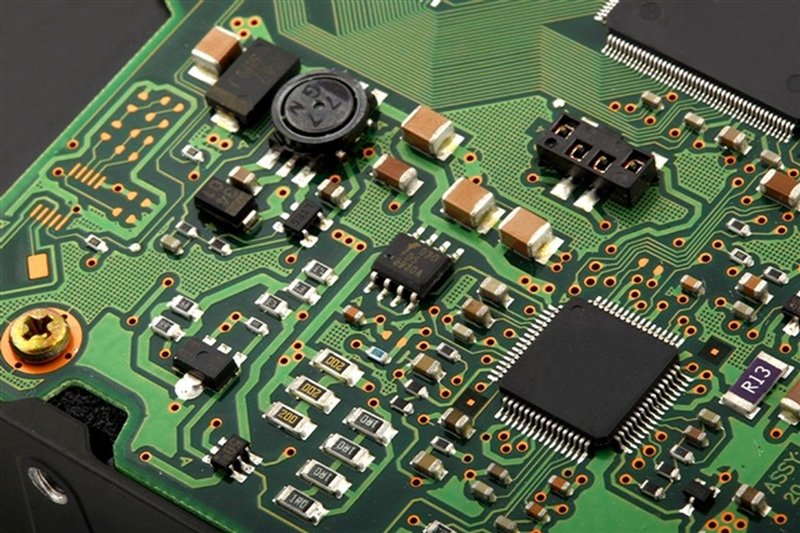
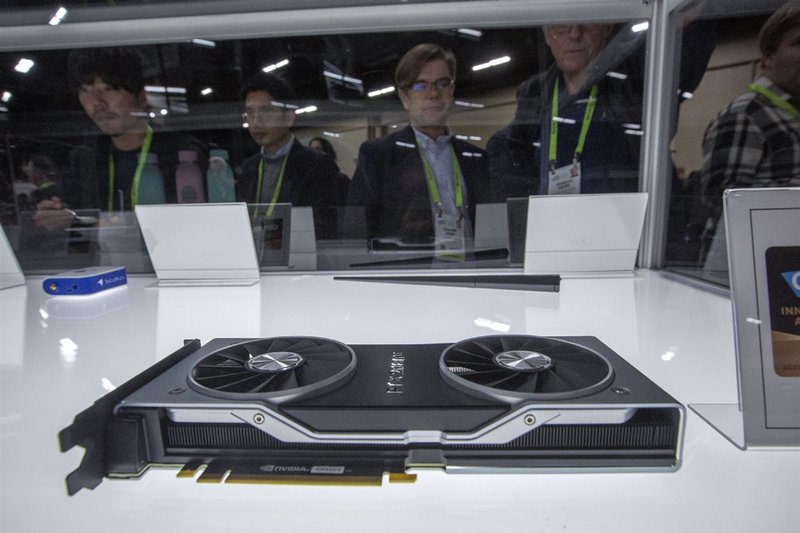
Looked at closely, Dai's move is a signal for those architecting infrastructure. Visual AI shifts the deployment center of gravity toward on-premise and edge. On a factory floor, a model inspecting components cannot tolerate the latency of a remote API call, nor the risk of exposing proprietary data. In healthcare, diagnostic images are covered by regulations like GDPR and demand controlled environments. The cloud remains central for training, but large-scale inference requires local hardware — GPUs or specialized accelerators — managed directly by the organization.
The $300 million pre-seed valuation before a product highlights a well-established dynamic: investors are no longer funding just software, but the ability to solve problems with a physical constraint. Visual AI embodies this tension. Visual data is heavy, training architectures demand high VRAM and significant memory bandwidth, while inference often must occur in air-gapped environments or on low-latency networks. Unsurprisingly, those building state-of-the-art visual models are simultaneously investing in tools for hardware-specific optimization — quantization, pruning, distributed serving runtimes.
For enterprises watching this space, Dai's story is not a mere financial curiosity. It indicates that the next value cycle in AI will be fought over the ability to bring visual processing to where data originates, not just to a remote data center. And that imposes infrastructure choices very different from those adopted for a chatbot. Those who have already invested in on-premise stacks for LLMs may need to rethink them to handle video analytics pipelines, camera streaming, and incremental training on local data. The AI frontier changes shape, and with it the hardware that supports it.







💬 Comments (0)
🔒 Log in or register to comment on articles.
No comments yet. Be the first to comment!