The 'Physical Minting Device' Experiment
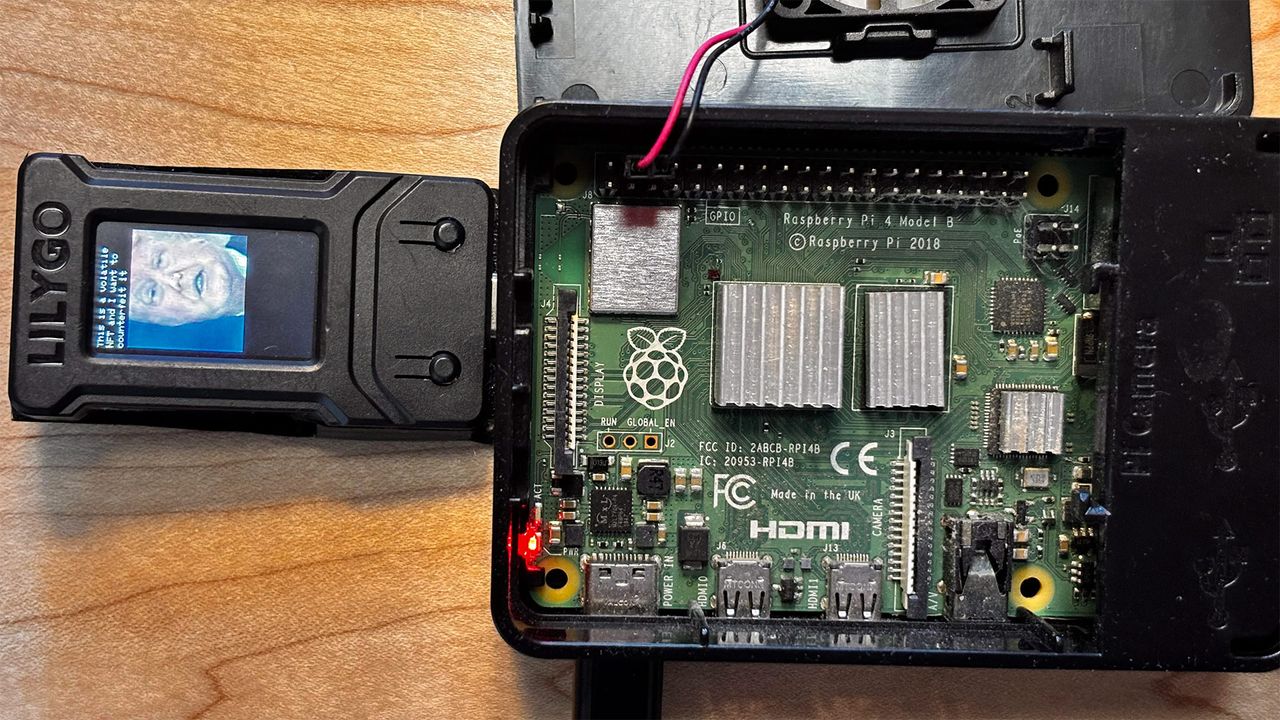
In the constantly evolving landscape of technology and innovation, a digital entrepreneur has captured attention with a project as ingenious as it is ironic: a physical NFT minting device. The initiative, presented with a humorous tone, is part of a quest for a mythical "infinite money machine," an aspiration that has always stimulated creativity in the tech world. At the heart of this creation is a Raspberry Pi, a microcomputer known for its versatility and low cost, serving as the system's beating heart.
The device was designed to generate an NFT in surprisingly quick times, taking only three seconds to complete the process. This efficiency is made possible by using a model previously trained on an M3 MacBook, suggesting a hybrid approach where the computationally intensive training phase is delegated to more powerful hardware, while inference is performed locally. Despite the stated goal of generating infinite wealth, the project has so far recorded a single sale for $9.92, highlighting the experimental and playful nature of the endeavor.
Technical Details and Hardware Implications
From a technical standpoint, the choice of a Raspberry Pi for the inference phase is particularly noteworthy. This compact, low-power device exemplifies the capabilities of edge computing, allowing for local processing of AI workloads without constant reliance on cloud infrastructure. While a Raspberry Pi cannot compete with dedicated GPUs like an A100 or H100 in terms of raw compute power or VRAM, its ability to generate an NFT in just three seconds demonstrates that even modest hardware can achieve respectable latency for specific, less demanding AI tasks. The M3 MacBook, on the other hand, provides the necessary horsepower for model training, which typically requires significantly more computational resources and memory bandwidth.
This division of labor—training on a powerful machine and inference on an edge device—is a common strategy in AI deployments. It allows organizations to optimize costs and performance, leveraging high-end hardware for development while deploying optimized, smaller models to cost-effective, power-efficient devices for real-time applications. For CTOs and infrastructure architects evaluating self-hosted solutions, this project, albeit humorous, underscores the potential of small-form-factor hardware for certain on-premise AI inference scenarios, where data sovereignty and low operational costs are priorities.







💬 Comments (0)
🔒 Log in or register to comment on articles.
No comments yet. Be the first to comment!