
Mental health chatbots have multiplied in recent years, but they share a common limitation: the user must reach out first. That’s not always easy when stress or anxiety take hold. University of Ottawa researchers are building an AI assistant called UbiMyTherapist that flips the model. Instead of waiting for an explicit request, it listens in real time to the physiological signals coming from smartwatches and earbuds, intercepting signs of distress before they are put into words.
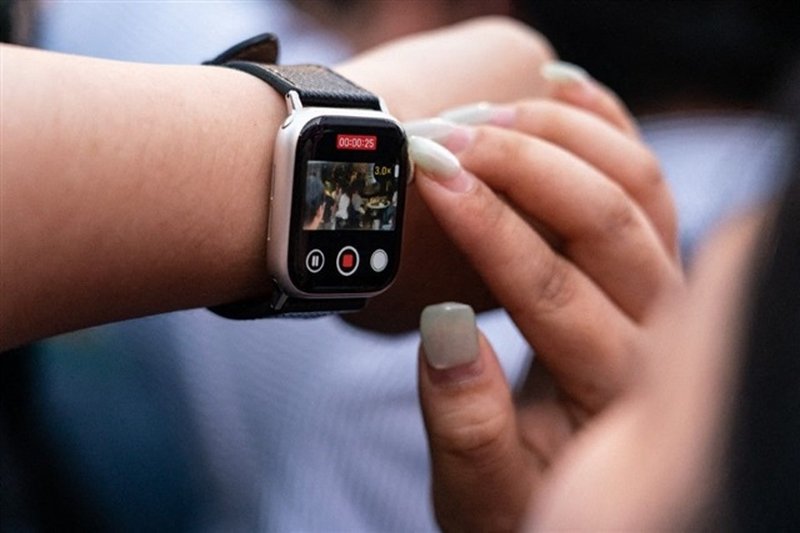
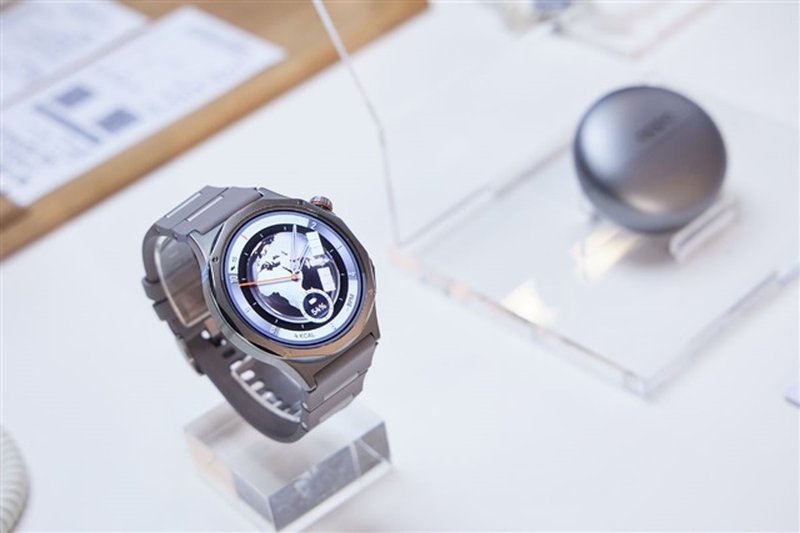
The research taps into sensors already found in everyday wearables – heart rate, heart rate variability, voice tone, ambient microphones – to build a continuous emotional profile. UbiMyTherapist isn’t meant to replace a human therapist; it acts as an early warning channel that can intervene when data suggests discomfort, offering breathing exercises, supportive messages, or activating emergency contacts if needed.
Proactive detection, sensor by sensor
At the core of the system is local processing of multimodal signals. The smartwatch detects changes in heart rate and skin conductance, while the earbuds capture prosody and vocal intensity. These streams are fused by a machine learning model trained to recognize patterns linked to stress, anxiety, or agitation. Because recognition must happen in real time without network latency, inference preferably runs on-device or on a nearby node (smartphone or home gateway), keeping raw biometric data from ever being shipped to remote servers.
The privacy puzzle of mental data
Continuous streams of physiological and emotional information are among the most sensitive data a person can generate; routing them through third-party servers would be like leaving a window wide open into one’s private life. The architecture envisioned for UbiMyTherapist aims to minimize that exposure. For healthcare providers or corporate wellness programs, the ability to offer a proactive assistant that guarantees absolute confidentiality is a significant competitive advantage, well aligned with regulations such as GDPR.
Edge computing as a sovereignty play
From a deployment standpoint, UbiMyTherapist is a textbook case of edge AI applied to mental health. Processing data directly within the user’s perimeter – or at most on an isolated local server – keeps the entire pipeline under control. The trade-offs are real: models must be compact enough to run on low-power hardware, which demands fine-tuning on physiological data and quantization techniques to limit VRAM usage. Serving frameworks for Large Language Models already offer options for inference on CPU or GPU at reduced precision, but adapting them to non-textual signals (audio, biometrics) adds complexity.
For teams evaluating on-premise or hybrid architectures, the case triggers concrete questions: do next-generation wearables have enough horsepower to handle inference locally, or will an edge server be needed to aggregate signals from multiple users inside an air-gapped LAN? The answer affects the Total Cost of Ownership and the level of effective sovereignty.
A new frontier for sovereign AI
Beyond the yet-to-be-finalized technical details, the University of Ottawa project points to a broader shift: mental health AI is moving toward systems that are more autonomous, reactive, and privacy-respecting. In an era where psychological well-being becomes a public health and corporate priority, keeping inference under direct user or organizational control could become a differentiator, both in terms of trust and compliance. If early prototypes deliver on their promise, the therapist that never sleeps may already be on our wrists and in our ears.







💬 Comments (0)
🔒 Log in or register to comment on articles.
No comments yet. Be the first to comment!