Introduction
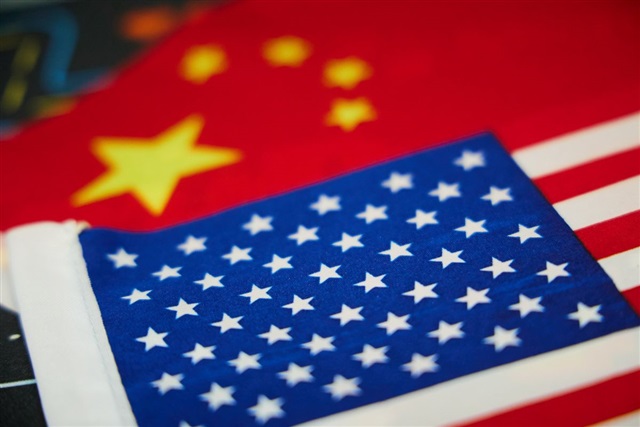
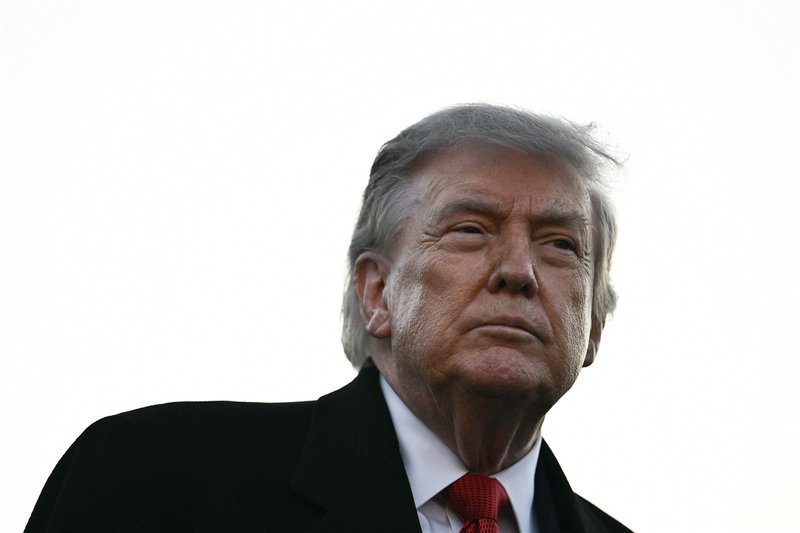
A potential summit between former US President Donald Trump and Chinese President Xi Jinping could mark a pivotal moment for Nvidia, potentially opening new avenues for its presence in the Chinese market. This possibility, though still hypothetical, underscores the deep interconnection between geopolitics and the technology sector, particularly concerning the supply of essential hardware for artificial intelligence. Political decisions and international relations directly impact the global supply chain, influencing the availability and costs of critical components.
For companies operating in the field of LLMs and AI, the stability of the silicon market is paramount. Nvidia, an undisputed leader in AI GPUs, finds itself at the center of these dynamics. Access to key markets like China is not merely a matter of revenue but also of innovation capacity and maintaining technological leadership in a highly competitive environment.
Geopolitical Context and the Silicon Market
In recent years, trade tensions and export restrictions imposed by the United States have significantly limited the ability of companies like Nvidia to sell their most advanced chips in China. These measures have been driven by concerns related to national security and technological supremacy. The Chinese market, however, represents a considerable portion of the global demand for AI accelerators, which are essential for training and Inference of Large Language Models.
Lack of access to this market not only reduces potential revenue for chip manufacturers but can also prompt China to develop alternative, indigenous solutions, altering power balances in the long term. A potential easing of restrictions, mediated by a high-level summit, could therefore restore a freer flow of technology, with repercussions on prices, availability, and innovation worldwide.
Implications for On-Premise Deployments
For CTOs, DevOps leads, and infrastructure architects evaluating self-hosted LLM deployments, silicon market dynamics have a direct and significant impact. Uncertainty regarding the availability of high-performance GPUs, such as those from Nvidia, can complicate CapEx planning and influence the overall TCO of AI infrastructures. Export restrictions can lead to:
- Higher Costs: Supply scarcity in certain markets can drive up GPU prices, increasing the initial and operational costs of on-premise data centers.
- Extended Lead Times: Hardware procurement can become more complex and time-consuming, delaying the Deployment of AI projects.
- Technological Limitations: Companies might be forced to opt for less performant hardware or older generations, compromising the training and Inference capabilities of their LLMs.
Data sovereignty and compliance are often key motivations for choosing an on-premise or air-gapped deployment. However, these choices must be balanced with the realities of the hardware supply chain. For those evaluating on-premise deployments, AI-RADAR offers analytical frameworks on /llm-onpremise to assess the trade-offs between performance, costs, and supply chain resilience, also considering the impact of trade policies.
Future Outlook and Corporate Strategies
In this scenario of geopolitical uncertainty, companies must adopt resilient strategies for their AI infrastructure. Diversifying hardware suppliers, exploring architectures based on alternative chips (albeit with their specific trade-offs in terms of performance and software compatibility), and planning procurement well in advance become essential practices. The ability to adapt quickly to market changes and trade policies will be a critical factor for the success of AI projects.
A potential rapprochement between the United States and China could stabilize the silicon market, offering greater predictability and access to a wider range of technologies. However, the lesson learned is that dependence on a single supplier or a supply chain vulnerable to geopolitical shocks represents a significant risk. Strategic planning of AI infrastructure must therefore integrate not only technical specifications (VRAM, throughput, latency) but also a deep understanding of macroeconomic and political dynamics.








💬 Comments (0)
🔒 Log in or register to comment on articles.
No comments yet. Be the first to comment!