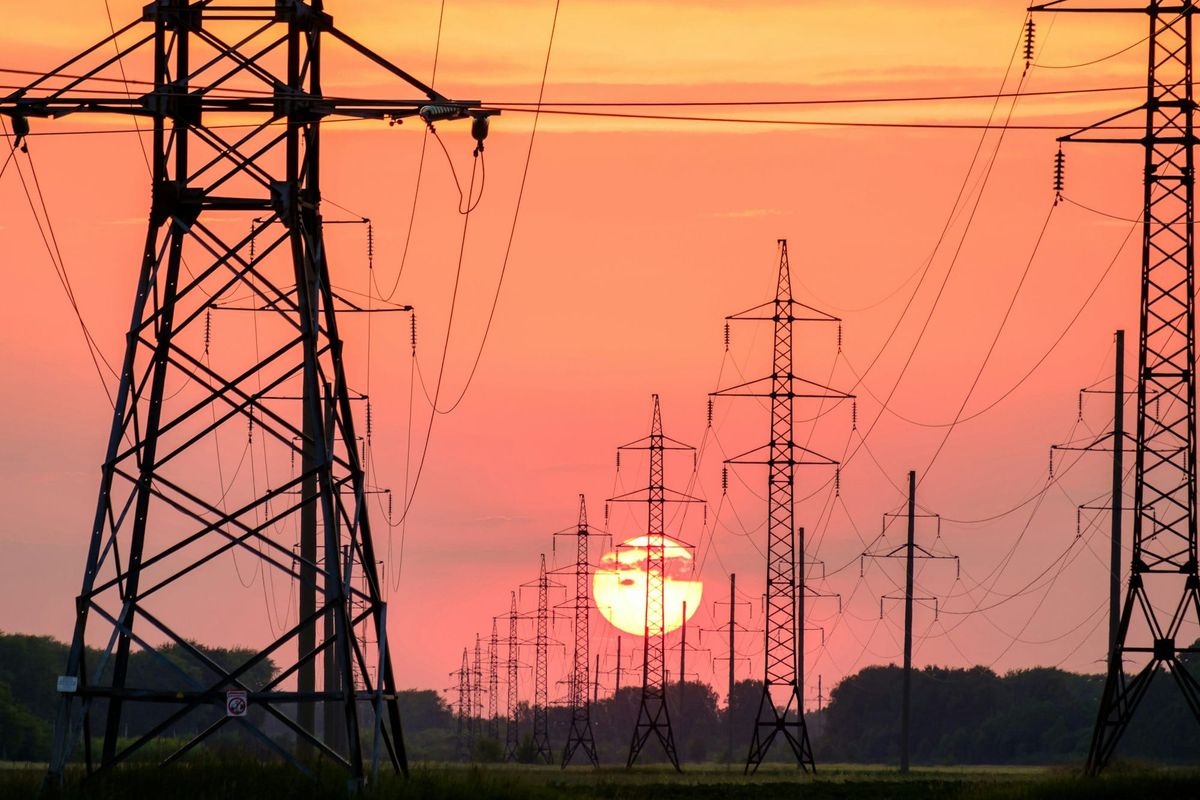
The email from Henrico County Manager John Vithoulkas on June 26 was blunt: “Beginning July 1st, the rate we pay for electricity used in all Henrico County government and school facilities will increase dramatically — by 25%, increasing costs by an estimated $5 million next fiscal year.” The message, obtained by 404 Media, urged thousands of county employees to conserve electricity.
What makes the appeal jarring is that Henrico County, a community of over 350,000 just outside Richmond, Virginia, is already home to 37 data centers — with plans to add 17 more, including on land once scarred by Civil War battles. Meta built a facility here in 2017, and the area has rapidly become a magnet for hyperscale and colocation providers.
The Henrico paradox: gigawatts of compute, watt-pinching in schools
Henrico’s data center boom is no accident: proximity to Washington, D.C., abundant land, and favorable tax incentives have drawn a cluster of facilities that forms part of Northern Virginia’s “Data Center Alley,” which handles an estimated 70% of global internet traffic. But that very density strains the local power grid. A single large data center can match the electricity demand of a small city, and when so many congregate in one region, the load pushes up prices for everyone. While tech giants negotiate long-term power purchase agreements, public schools and local government offices are left paying higher tariffs and being told to cut back.
AI’s energy footprint and the real cost of cloud services
The rise of generative AI and LLMs is only intensifying energy consumption. Training a large model can consume hundreds of megawatt-hours, and continuous inference spreads that demand over thousands of requests. Even with efficiency gains in hardware and quantization techniques, the overall power draw is expected to climb. For organizations evaluating on-premise deployments, Henrico’s experience highlights a critical TCO variable: electricity isn’t just a line item — it’s a geopolitically sensitive, community-impacting resource. A company that installs its own inference hardware in a data-center-saturated area could face unpredictable price spikes, pushback from residents, or even regulatory intervention.
On-prem infrastructure: you own the stack, but who pays the bill?
AI-RADAR readers know that the total cost of ownership of a self-hosted setup goes far beyond GPU capex and server maintenance. Energy is perhaps the hardest cost to forecast and control. The Henrico case serves as a cautionary tale for enterprises planning local AI infrastructure: it’s not enough to choose the right hardware; you must also map the local energy landscape, anticipate grid constraints, and consider alternative power sources. Otherwise, you may end up in the absurd position of asking employees to switch off lights so that servers can keep running.
The bottom line: digital growth doesn’t come for free
The county manager’s email is a symptom of a larger tension: as advanced digital services and AI consume ever more electricity, the bill often falls on the most vulnerable — schools, public services — while large operators lock in preferential rates. For those in charge of AI deployments, the lesson is clear: data sovereignty is intertwined with energy sovereignty. Ignoring that connection can make even the most well-planned on-prem project financially and socially unsustainable.








💬 Comments (0)
🔒 Log in or register to comment on articles.
No comments yet. Be the first to comment!