
Waymo Richiama Robotaxi: Un Difetto Software Sotto la Lente
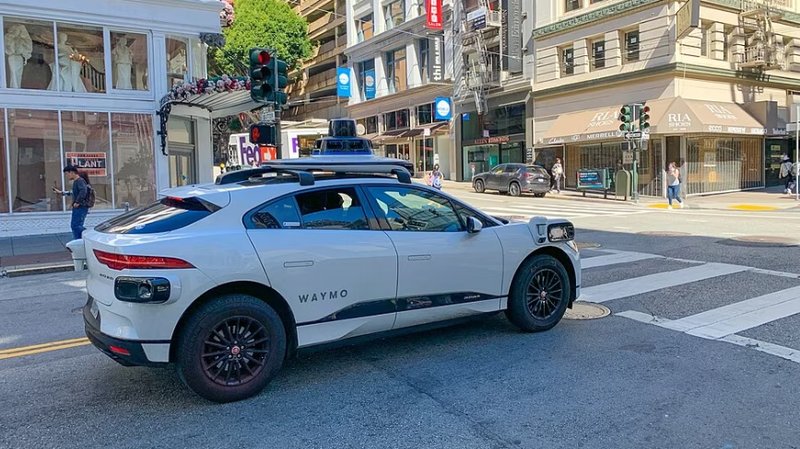
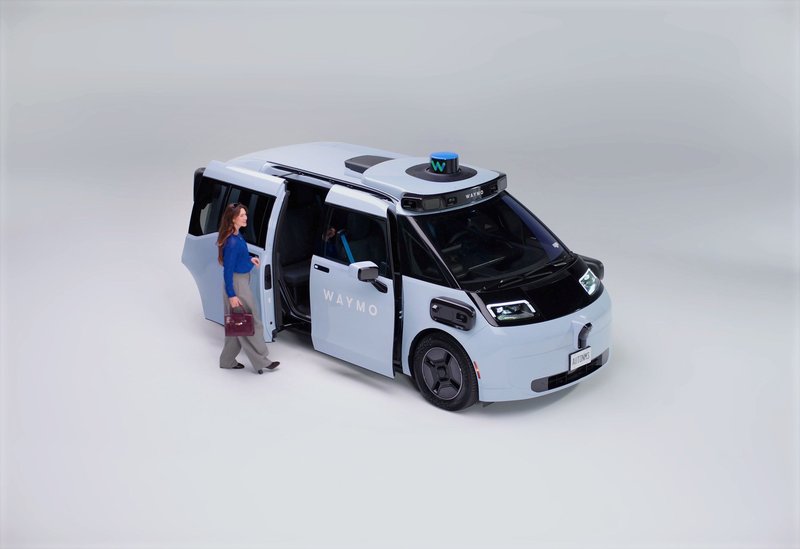
Waymo, la divisione di Alphabet dedicata alla guida autonoma, ha annunciato il richiamo di 3.791 robotaxi operativi negli Stati Uniti. La misura è stata intrapresa a seguito di un'identificazione da parte delle autorità federali di un difetto software critico. Secondo la National Highway Traffic Safety Administration (NHTSA), il problema potrebbe portare i veicoli a percorrere strade allagate a velocità potenzialmente elevate, creando rischi per la sicurezza.
Il richiamo interessa i veicoli che utilizzano sia la quinta che la sesta generazione del Waymo Driver, il sistema di guida autonoma sviluppato dall'azienda. Questo evento sottolinea la complessità intrinseca dei sistemi AI e le sfide che le aziende affrontano nel garantire la loro affidabilità in scenari operativi diversificati e imprevedibili, come le condizioni meteorologiche avverse.
Il Dettaglio Tecnico e le Implicazioni per i Sistemi Autonomi
Il Waymo Driver rappresenta il cuore tecnicico dei robotaxi dell'azienda, un sistema sofisticato che integra percezione, pianificazione e controllo per consentire la guida autonoma. Sebbene la fonte non specifichi la natura esatta del difetto software, l'implicazione è chiara: un'anomalia nella capacità del sistema di percepire o interpretare correttamente le condizioni ambientali, in questo caso la presenza di acqua sulla strada, o un errore nella logica decisionale che porta a mantenere una velocità inappropriata.
Questo tipo di vulnerabilità evidenzia le difficoltà nel gestire gli edge case – situazioni rare o estreme – che i sistemi AI devono affrontare nel mondo reale. La robustezza degli algoritmi di percezione, la capacità di distinguere tra diverse superfici stradali e la logica di adattamento del comportamento del veicolo sono aspetti cruciali per la sicurezza e l'affidabilità di qualsiasi sistema autonomo. La necessità di un richiamo software in un sistema così avanzato sottolinea l'importanza di cicli di testing e validazione estremamente rigorosi.
Le Sfide del Deployment AI in Contesti Critici
Per CTO, DevOps lead e architetti infrastrutturali che valutano il deployment di Large Language Models (LLM) o altri sistemi AI in contesti aziendali, l'esperienza di Waymo offre spunti significativi. La gestione di un difetto software in un sistema AI distribuito, come quello dei robotaxi, richiede pipeline di aggiornamento e monitoraggio estremamente efficienti. Che si tratti di sistemi self-hosted o di soluzioni edge computing come i veicoli autonomi, la capacità di identificare, diagnosticare e correggere rapidamente i problemi è fondamentale per la sicurezza operativa e la compliance.
La complessità dei sistemi AI, soprattutto quelli che interagiscono con il mondo fisico, rende la fase di testing e validazione un'area critica. La necessità di garantire la sovranità dei dati e la conformità normativa spesso si traduce in un maggiore controllo sull'intera pipeline di sviluppo e deployment. Questo include la gestione delle versioni del software, la capacità di eseguire fine-tuning localmente e la garanzia che gli aggiornamenti possano essere distribuiti in modo sicuro ed efficiente, minimizzando il Total Cost of Ownership (TCO) e i rischi operativi.
Prospettive Future e Controllo del Software
Il richiamo di Waymo, pur essendo un evento negativo, è anche un promemoria della maturazione del settore della guida autonoma e, più in generale, del deployment di AI in applicazioni critiche. Dimostra che anche le aziende all'avanguardia devono affrontare sfide significative e che la sicurezza e l'affidabilità sono priorità assolute che richiedono un'attenzione costante al software e all'infrastruttura sottostante.
Per le organizzazioni che stanno esplorando soluzioni AI on-premise o hybrid, questo episodio rafforza l'argomento per un controllo granulare sull'intero stack tecnicico. La capacità di gestire internamente gli aggiornamenti software, di condurre test approfonditi in ambienti controllati e di avere piena visibilità sulle operazioni del sistema è essenziale per mitigare i rischi e garantire la resilienza. AI-RADAR offre framework analitici su /llm-onpremise per valutare i trade-off tra controllo, costo e performance in questi scenari complessi.






💬 Commenti (0)
🔒 Accedi o registrati per commentare gli articoli.
Nessun commento ancora. Sii il primo a commentare!