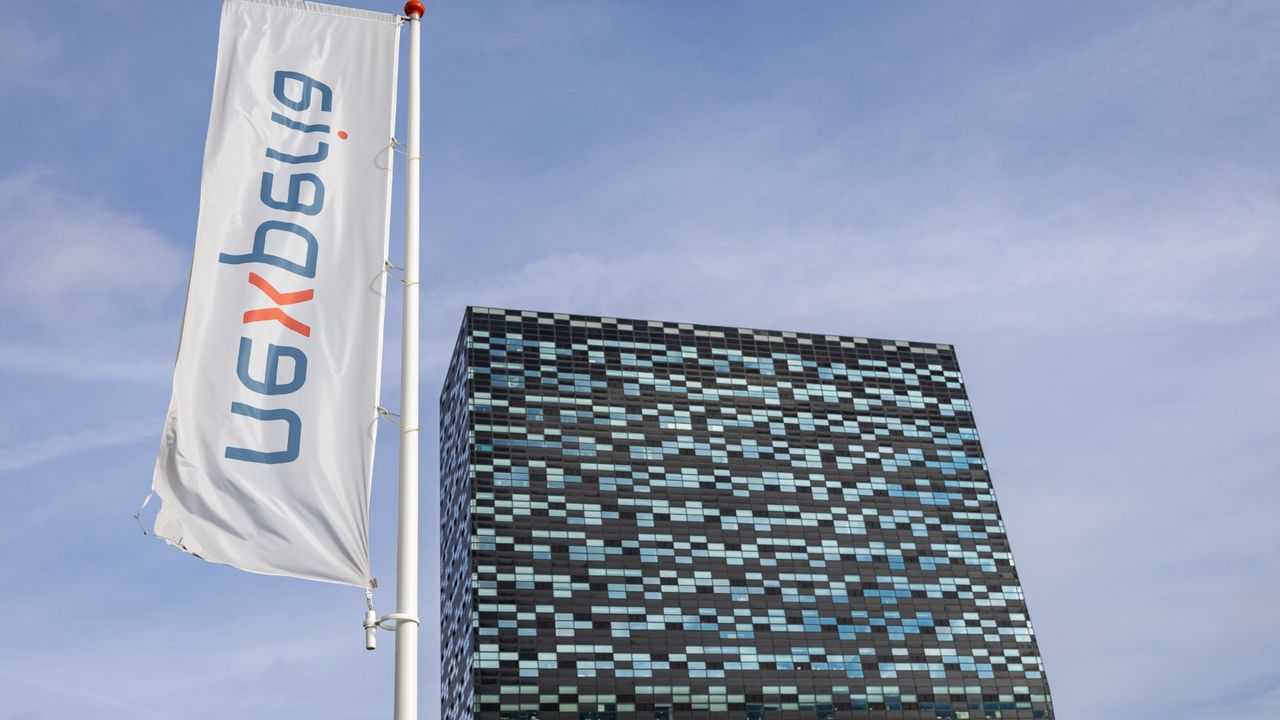
Wingtech in Crisi: Perdita da 1,3 Miliardi e Rischio Delisting dopo il Crollo dell'Audit Nexperia
Wingtech Technology, un attore significativo nel panorama globale dei semiconduttori, si trova ad affrontare una crisi finanziaria di notevole entità. L'azienda ha recentemente annunciato una perdita di 1,3 miliardi di dollari, un dato che ha innescato un processo che potrebbe portare al suo delisting dalla borsa di Shanghai. Questa situazione precaria è emersa in seguito al fallimento dell'audit della sua controllata, Nexperia, un evento che ha rivelato gravi lacune nella trasparenza finanziaria.
La notizia ha scosso il settore, evidenziando le vulnerabilità che possono emergere anche in aziende consolidate. Per le imprese che dipendono da una catena di fornitura stabile per i componenti hardware, in particolare quelle che pianificano deployment di Large Language Models (LLM) on-premise, la solidità finanziaria dei fornitori è un fattore critico. La stabilità di un produttore di silicio o di altri componenti essenziali può influenzare direttamente la disponibilità, i costi e la continuità del supporto per le infrastrutture AI.
Dettagli della Crisi e Implicazioni per la Supply Chain
Il cuore della problematica risiede nell'impossibilità di verificare ben il 57% degli asset di Wingtech, un dato allarmante emerso dall'audit di Nexperia. Questa percentuale elevata di asset non verificabili solleva seri dubbi sulla governance aziendale e sulla completezza delle sue registrazioni contabili. Per gli investitori, una tale incertezza è un segnale rosso che giustifica la reazione del mercato e la minaccia di delisting.
Le ripercussioni di una crisi di questa portata si estendono ben oltre i confini di Wingtech. L'industria dei semiconduttori è interconnessa, e l'instabilità di un attore chiave può generare onde d'urto lungo l'intera supply chain. Per le organizzazioni che investono in hardware dedicato per l'inference o il training di LLM, la dipendenza da fornitori con problemi finanziari può tradursi in ritardi nelle consegne, aumenti dei costi o persino interruzioni nella disponibilità di componenti critici come le GPU o altri chip specializzati. Questo impatta direttamente il Total Cost of Ownership (TCO) e la pianificazione strategica dei deployment self-hosted.
Contesto di Mercato e Sovranità dei Dati
In un'epoca in cui la sovranità dei dati e la compliance normativa sono priorità assolute per molte aziende, la scelta di un deployment on-premise per i carichi di lavoro AI è spesso dettata dalla necessità di mantenere il pieno controllo sull'infrastruttura e sui dati. Tuttavia, questa scelta comporta anche la responsabilità di gestire la supply chain hardware. La situazione di Wingtech sottolinea l'importanza di una due diligence approfondita sui fornitori.
CTO, DevOps lead e architetti di infrastruttura devono considerare non solo le specifiche tecniche (VRAM, throughput, latenza) ma anche la salute finanziaria e la stabilità operativa dei produttori di hardware. Un fornitore in difficoltà potrebbe non essere in grado di garantire la continuità delle forniture o il supporto a lungo termine, elementi essenziali per ambienti air-gapped o per infrastrutture critiche dove la resilienza è fondamentale. La diversificazione dei fornitori e la valutazione dei rischi sono strategie chiave per mitigare tali esposizioni.
Prospettive Future e Considerazioni per l'AI On-Premise
Il futuro di Wingtech e Nexperia rimane incerto, con il rischio di delisting che incombe. Questa vicenda serve da monito per l'intero settore tecnicico, evidenziando come la trasparenza e la solidità finanziaria siano pilastri irrinunciabili per la fiducia del mercato e la stabilità operativa. Le implicazioni per le aziende che si affidano a questi attori per la loro infrastruttura AI sono significative.
Per chi valuta deployment on-premise di LLM, è fondamentale un approccio olistico che consideri non solo le performance immediate dell'hardware, ma anche la sostenibilità a lungo termine della supply chain. Esistono framework analitici per valutare i trade-off tra costi iniziali (CapEx) e operativi (OpEx), la resilienza della supply chain e i requisiti di sovranità dei dati. La scelta di un'architettura self-hosted offre controllo e sicurezza, ma richiede una gestione proattiva dei rischi legati ai fornitori di componenti essenziali.






💬 Commenti (0)
🔒 Accedi o registrati per commentare gli articoli.
Nessun commento ancora. Sii il primo a commentare!