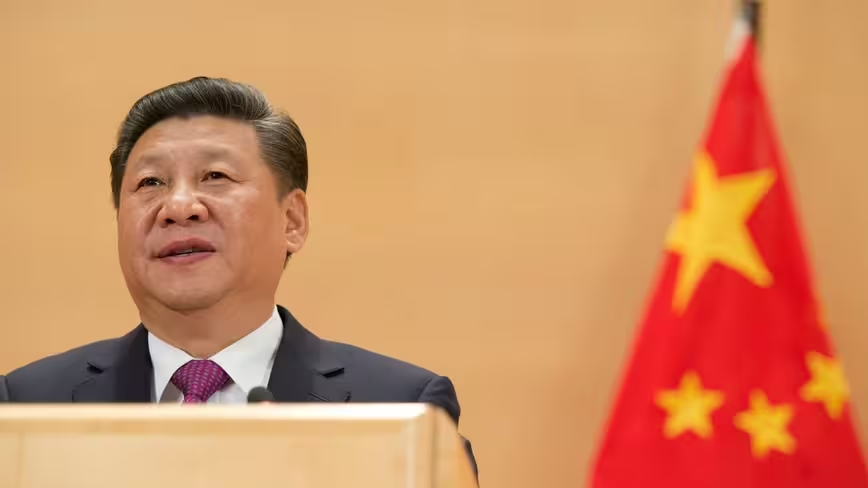
Xi Jinping’s statement at the World AI Conference in Shanghai reads like a manifesto. “Artificial intelligence should not be a solo performance by a single country, but a symphony of international cooperation,” he said, painting China as the champion of open, shared technology. It’s a carefully calibrated line, aimed squarely at the developing world—and, by implication, at Washington.
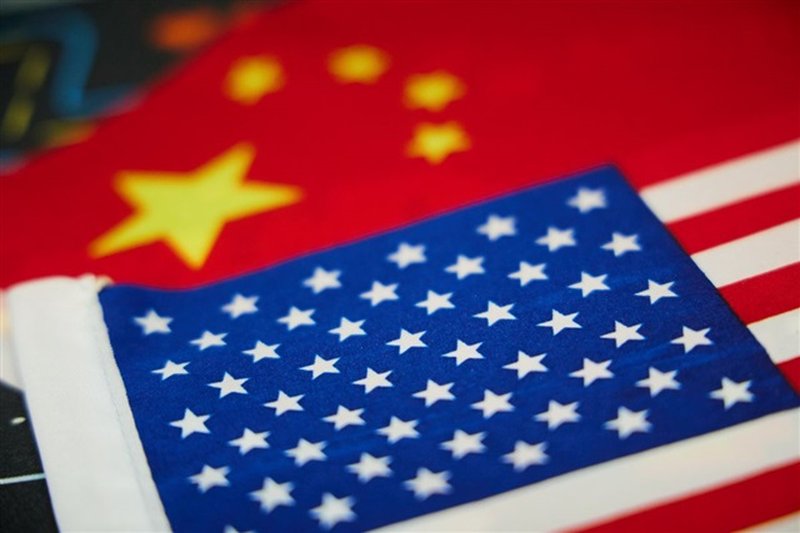
The remarks come amid a tech chill between the United States and China. American export restrictions on advanced chips, such as NVIDIA’s A100 and H100, have driven Beijing to seek domestic alternatives and to sharpen its narrative of independence. On one level, the cooperation rhetoric is a deft diplomatic move: offering partnership without the strings that often accompany U.S.-led infrastructure. On another, it accelerates a fragmentation already under way.
For companies and institutions eyeing the adoption of Large Language Models (LLMs), the speech has a practical edge. If the AI ecosystem splits along geopolitical lines, the pressure mounts to move away from cloud services dominated by a few U.S. tech giants and toward on-premise solutions. This isn’t just about cost or performance: data sovereignty, compliance with regulations like GDPR, and resilience against future technology embargoes all come into play.
China’s courtship of the Global South—regions where access to Western hardware and models is often constrained—aims to build a credible alternative, grounded in open stacks and hardware not subject to Washington’s decisions. In this scenario, demand for Chinese chips (such as Huawei’s Ascend GPUs) and for open-source models trained on them could rise sharply. These are not forecasts; they’re dynamics already reflected in growing investments in local data centers and demand for skills in fine-tuning self-hosted models.
For those evaluating on-premise LLM deployments, this context adds a strategic layer. The choice between cloud and bare metal is no longer merely technical or economic—it reflects a geopolitical stance. Platforms like AI-RADAR provide analytical frameworks to weigh these trade-offs without succumbing to hype. In short, Xi’s message is not just a statement of principle: it’s a signal that the hardware and software market for AI is set to multiply the options—and with them, the complexity.






💬 Comments (0)
🔒 Log in or register to comment on articles.
No comments yet. Be the first to comment!