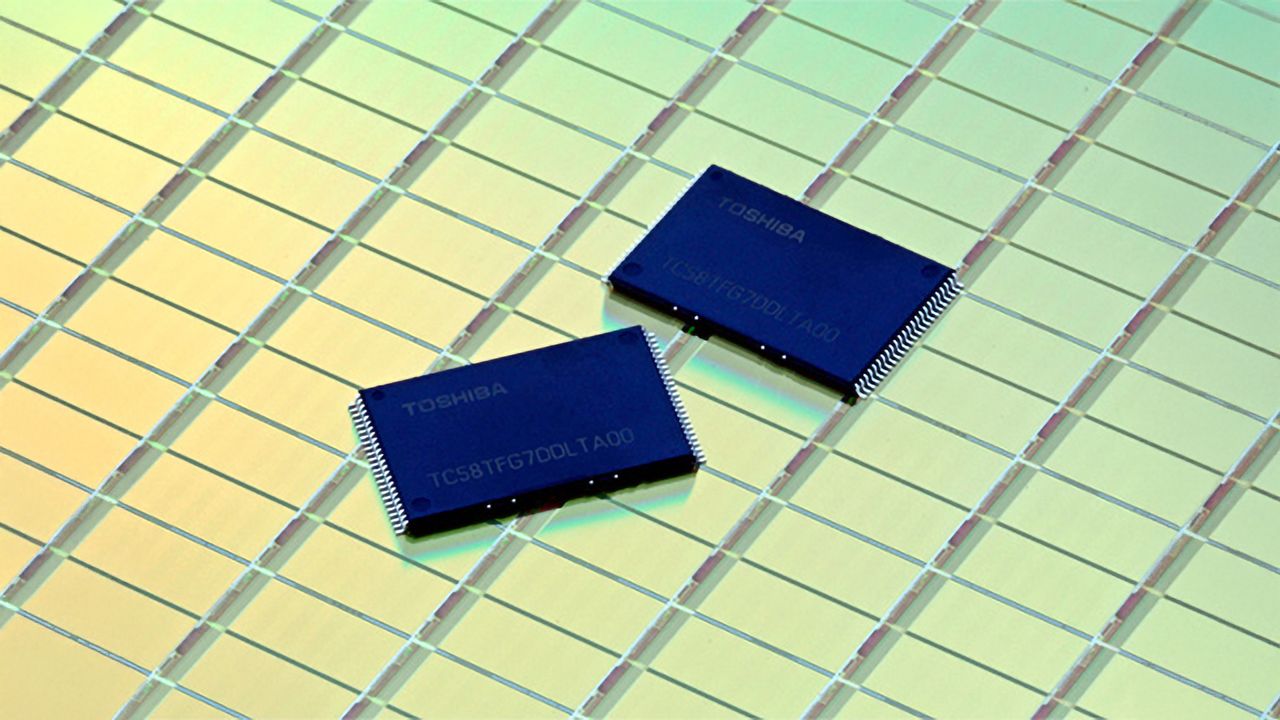
L'espansione strategica di YMTC a Wuhan
Yangtze Memory Technologies Co. (YMTC), un nome di spicco nel panorama globale dei semiconduttori, starebbe pianificando la costruzione di due ulteriori fabbriche di chip nella città di Wuhan. Questa mossa, riportata da fonti del settore, sottolinea l'ambizione dell'azienda di rafforzare la propria capacità produttiva in un momento di crescente domanda globale di componenti elettronici. L'espansione delle capacità produttive di memoria è un fattore cruciale per l'intero ecosistema tecnicico, influenzando direttamente la disponibilità e i costi di hardware essenziale per carichi di lavoro intensivi come quelli legati agli LLM.
La costruzione di nuove fabbriche, note come "fabs", rappresenta un investimento di capitale enorme e un impegno a lungo termine. Queste strutture sono il cuore della produzione di chip, dove il silicio viene trasformato in circuiti integrati complessi attraverso processi altamente sofisticati. Per le aziende che valutano deployment on-premise di soluzioni AI, la stabilità e la diversificazione della catena di approvvigionamento di chip di memoria sono elementi fondamentali per garantire la continuità operativa e ottimizzare il TCO.
L'importanza della strumentazione domestica
Un aspetto saliente di questa espansione è il progresso della Fase 3 del progetto di YMTC, che ha superato la soglia del 50% di strumentazione di origine domestica. Questo dato non è solo un dettaglio tecnico, ma un indicatore strategico di un più ampio sforzo verso l'autosufficienza tecnicica. La dipendenza da fornitori esteri per macchinari e strumenti critici può introdurre vulnerabilità nella catena di approvvigionamento, specialmente in un contesto geopolitico volatile.
Per i decision-maker IT, la capacità di un produttore di chip di affidarsi a strumentazione locale significa una maggiore resilienza contro potenziali interruzioni o restrizioni commerciali. Questo si traduce in una maggiore prevedibilità nella disponibilità di componenti chiave, come le memorie NAND Flash prodotte da YMTC, che sono vitali per lo storage ad alte prestazioni richiesto dai dataset massivi e dai modelli AI. La sovranità dei dati e il controllo sull'infrastruttura sono priorità assolute per molte organizzazioni, e una catena di approvvigionamento robusta è un pilastro di questa strategia.
Implicazioni per i deployment AI on-premise
L'espansione della capacità produttiva di chip di memoria ha ricadute dirette per le aziende che scelgono un approccio self-hosted per i loro carichi di lavoro AI e LLM. La disponibilità di memoria VRAM e di storage ad alta velocità è spesso un collo di bottiglia per l'inference e il training di modelli complessi. Un aumento dell'offerta globale di chip, anche se non direttamente GPU, può alleggerire la pressione sulla catena di approvvigionamento complessiva e potenzialmente influenzare i costi.
Per chi valuta deployment on-premise, la stabilità della fornitura di hardware è un fattore critico nel calcolo del TCO. Un'offerta più robusta e diversificata può ridurre i rischi di obsolescenza o di difficoltà nel reperire componenti di ricambio, aspetti fondamentali per la pianificazione a lungo termine di un'infrastruttura AI locale. AI-RADAR offre framework analitici su /llm-onpremise per valutare questi trade-off, fornendo strumenti per confrontare i costi iniziali (CapEx) con i costi operativi (OpEx) e le implicazioni sulla sovranità dei dati.
Prospettive future e autonomia tecnicica
L'iniziativa di YMTC di espandere la propria capacità produttiva e di aumentare la quota di strumentazione domestica si inserisce in un trend globale di ricerca di maggiore autonomia tecnicica. Questo non solo mira a garantire la sicurezza dell'approvvigionamento, ma anche a stimolare l'innovazione interna e a ridurre la dipendenza da tecnicie e fornitori esterni. Per il settore AI, che è intrinsecamente legato all'evoluzione dell'hardware, queste dinamiche sono di fondamentale importanza.
Mentre il mercato dei semiconduttori continua a evolversi rapidamente, le decisioni strategiche di aziende come YMTC avranno un impatto significativo sulla disponibilità e sulle caratteristiche dell'hardware che alimenta l'intelligenza artificiale. Comprendere queste dinamiche è essenziale per CTO e architetti di infrastruttura che devono prendere decisioni informate sui deployment, bilanciando performance, costi, sicurezza e controllo.








💬 Commenti (0)
🔒 Accedi o registrati per commentare gli articoli.
Nessun commento ancora. Sii il primo a commentare!