Expansion Strategy in the IC Substrate Market
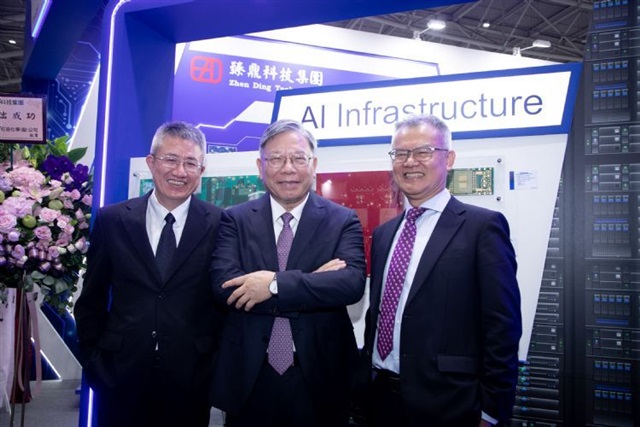
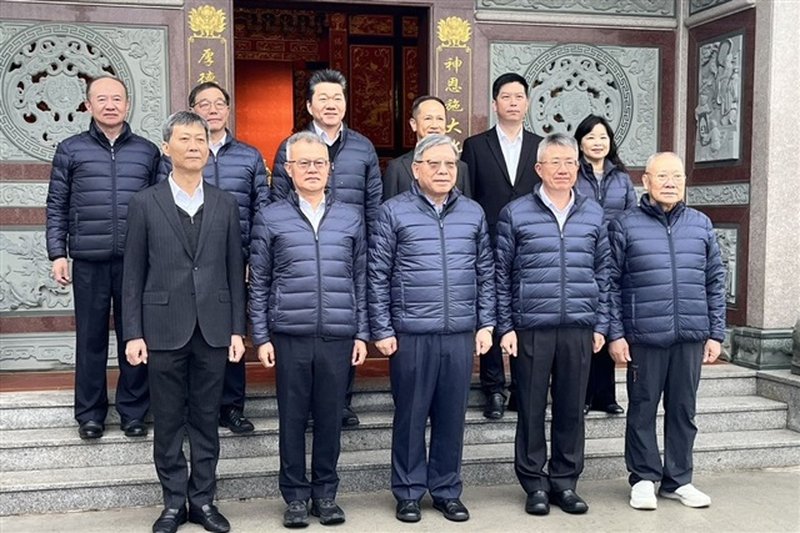
Zhen Ding, a prominent company in the integrated circuit (IC) substrate sector, has announced plans for a subsidiary listing on the Hong Kong stock exchange. This strategic move is aimed at consolidating and expanding its presence in the global IC substrate market. The initiative, involving key figures such as IST chairman D.J. Lee, Zhen Ding chairman Charles Shen, and president Chen-Fu Chien, reflects a clear ambition to strengthen the company's competitive position in a rapidly evolving industry.
The decision to proceed with a Hong Kong listing suggests a strategy to raise significant capital, necessary for investments in research and development, expansion of production capacity, or strategic acquisitions. Such investments are crucial for maintaining a competitive edge in a market that demands continuous innovation and large-scale manufacturing capabilities, especially in an era of increasing demand for high-performance components.
The Role of IC Substrates in the AI Ecosystem
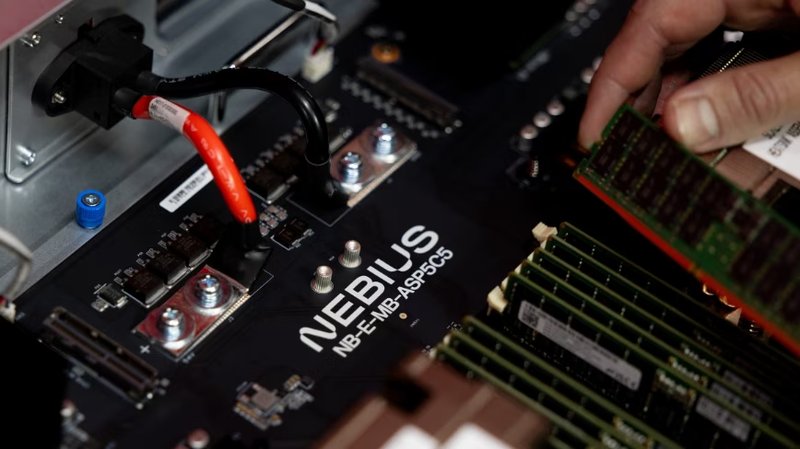
Integrated circuit substrates are fundamental components that serve as the base for chip assembly, providing the electrical interconnections and mechanical support necessary for their operation. In the context of artificial intelligence, particularly for Large Language Models (LLM), the quality and complexity of IC substrates are directly related to the performance and reliability of Graphics Processing Units (GPU) and other hardware accelerators.
The demand for high-performance IC substrates is constantly growing, driven by the need for increasingly powerful and dense chips capable of handling intensive computational workloads for LLM inference and training. An expansion of production capacity and global presence by a supplier like Zhen Ding can therefore have a significant impact on the availability and cost of critical hardware components for AI infrastructure, indirectly influencing companies' procurement strategies.
Implications for the Supply Chain and On-Premise Deployments
For organizations evaluating on-premise deployments of LLMs and other AI solutions, supply chain stability and diversification are crucial factors. The ability of a company like Zhen Ding to increase its global presence in IC substrates can help mitigate risks related to the supply of essential components. Greater availability and a potential reduction in the cost of IC substrates can, in the long term, influence the Total Cost of Ownership (TCO) of self-hosted AI infrastructures.
Data sovereignty and the need for air-gapped environments often push companies towards on-premise solutions, making reliance on a robust and resilient supply chain even more critical. A strategic expansion in this segment can therefore be seen as an enabler for the widespread adoption of local AI solutions, ensuring that necessary hardware components are accessible and reliable. For those evaluating on-premise deployments, AI-RADAR offers analytical frameworks on /llm-onpremise to assess trade-offs and constraints.
Future Outlook and Production Control
Zhen Ding's expansion into the global IC substrate market underscores the strategic importance of these components in the current technological landscape. With the increasing complexity of chips and the relentless demand for computing power for AI, control over the production and distribution of IC substrates becomes a key element for hardware manufacturers and, consequently, for end-users.
This move not only strengthens Zhen Ding's position but also highlights the general industry trend to invest in foundational manufacturing capabilities. For technical decision-makers, understanding these supply chain dynamics is essential for planning long-term investments in AI infrastructure, whether for on-premise deployments or hybrid strategies, ensuring the resilience and efficiency of their architectures.







💬 Comments (0)
🔒 Log in or register to comment on articles.
No comments yet. Be the first to comment!