Fine-tuning open models on reasoning traces from commercial APIs looks like a shortcut, but those traces are sanitized or summarized, not the real chain of thought. The result is guaranteed to degrade quality. This illusion undermines fine-tuning efforts and poses concrete risks for sovereign deployments relying on such data.
Google DeepMind’s VP of research signals a structural shift: inference is no longer just about speed, but multi-step reasoning on local clusters. This redefines hardware requirements, moves away from pure cloud, and rewards those investing in data sovereignty and TCO control for agentic workloads.
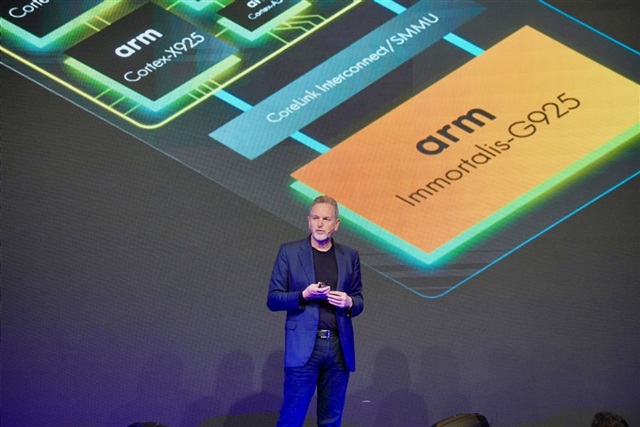
Arm's CEO statement points to a potential shift in AI infrastructure toward CPU architectures, with significant implications for those running workloads on-premise, where energy efficiency and data sovereignty matter more than peak petaflops.
Trio, a backup system manufacturer, reported a revenue jump in June driven by AI server battery demand — a clear sign that electrical infrastructure is a critical, and often underestimated, factor in on-premise projects.