Topic / Trend Rising

AI Accelerator Economics and Inference Infrastructure

Attention is shifting from raw compute to memory, energy, and token economics as agentic workloads stress KV cache capacity and GPU costs. TPU/ASIC payback, TSMC packaging pressure, and aggressive inference pricing define the new infrastructure bottleneck.

Detected: 2026-09-16 ยท Updated: 2026-09-16

Related Coverage

2026-09-16 โ€ข DigiTimes

KV cache: the new frontier of on-premise LLM infrastructure

Astera Labs' move shifts attention from compute to memory. The KV cache, critical for agentic workloads, becomes a physical constraint affecting parallelism, latency, and TCO. For self-hosted and on-premise deployments, memory hierarchy and data move...
2026-09-15 โ€ข DigiTimes

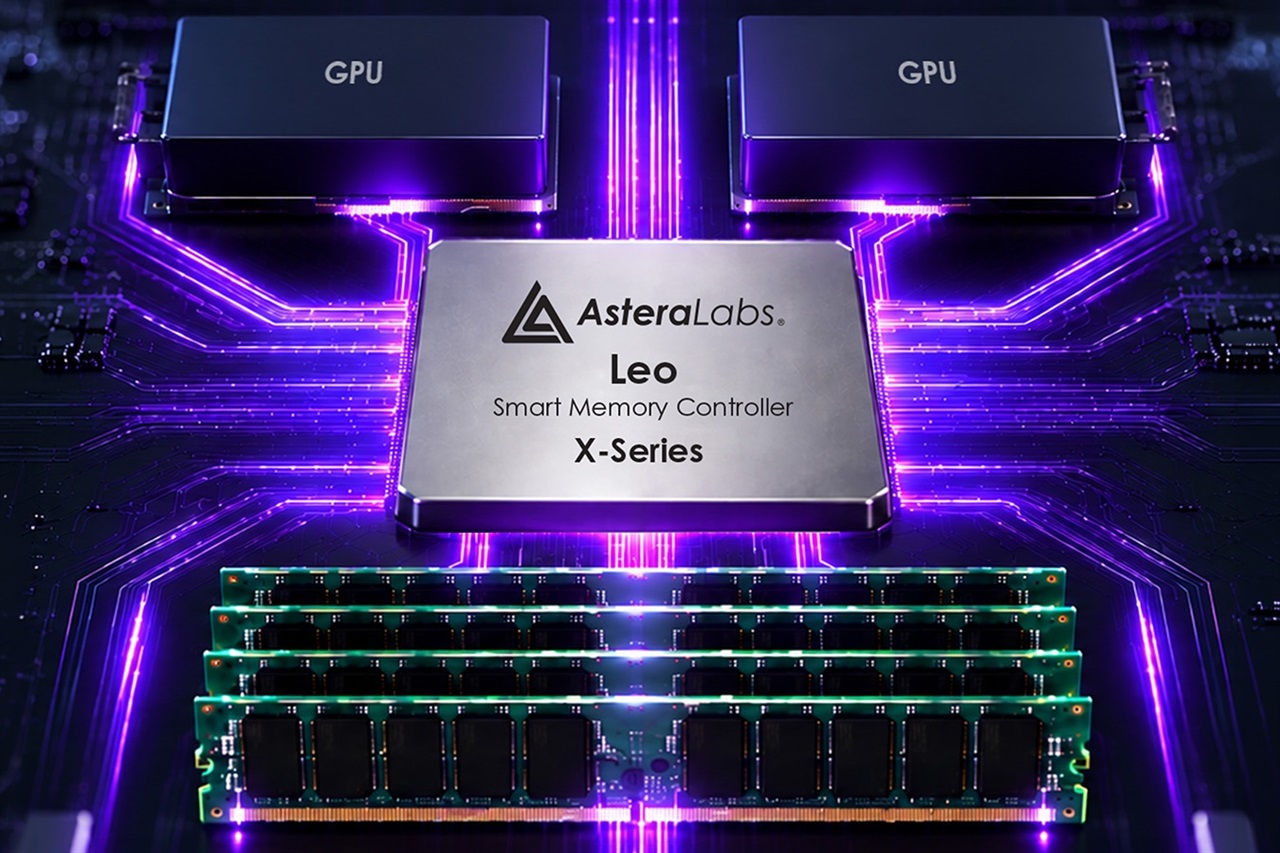
Astera Labs targets the KV cache bottleneck as agentic AI outgrows GPU memory

As agentic systems multiply context tokens, the KV cache grows until it saturates GPU VRAM. Astera Labs is targeting this structural limit, signaling a shift in attention from compute to memory and interconnects. For those evaluating self-hosted depl...

#Hardware #LLM On-Premise #DevOps
2026-09-15 โ€ข DigiTimes

TSMC 3nm, 2nm, and CoWoS stay tight as AWS, MediaTek, TPU shift capacity

TSMC's 3nm and 2nm nodes and CoWoS packaging remain tight as AWS, MediaTek, and TPUs shift capacity volumes. For those evaluating on-premise AI hardware, scarcity of accelerators and interposers means longer lead times and cost pressure. Demand from ...

#Hardware #LLM On-Premise #DevOps
2026-09-10 โ€ข DigiTimes

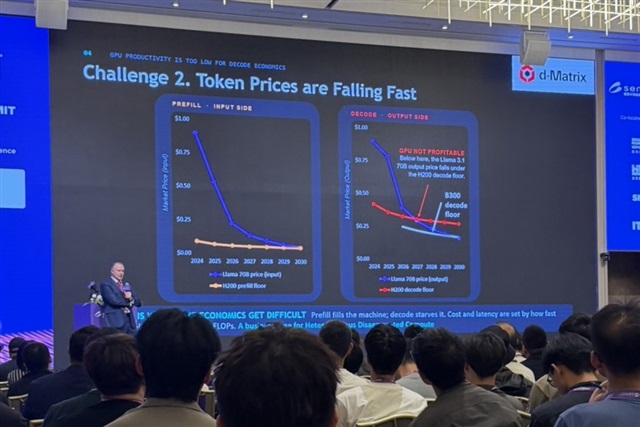
GPU economics face pressure as token prices fall, d-Matrix says

d-Matrix presented an inference cost model at SEMICON Taiwan 2026. The point: if token prices fall while GPU depreciation, energy and memory bandwidth costs remain rigid, margins for compute capacity providers shrink. The pressure is structural and p...

#Hardware #LLM On-Premise #Fine-Tuning
โ† Back to All Topics