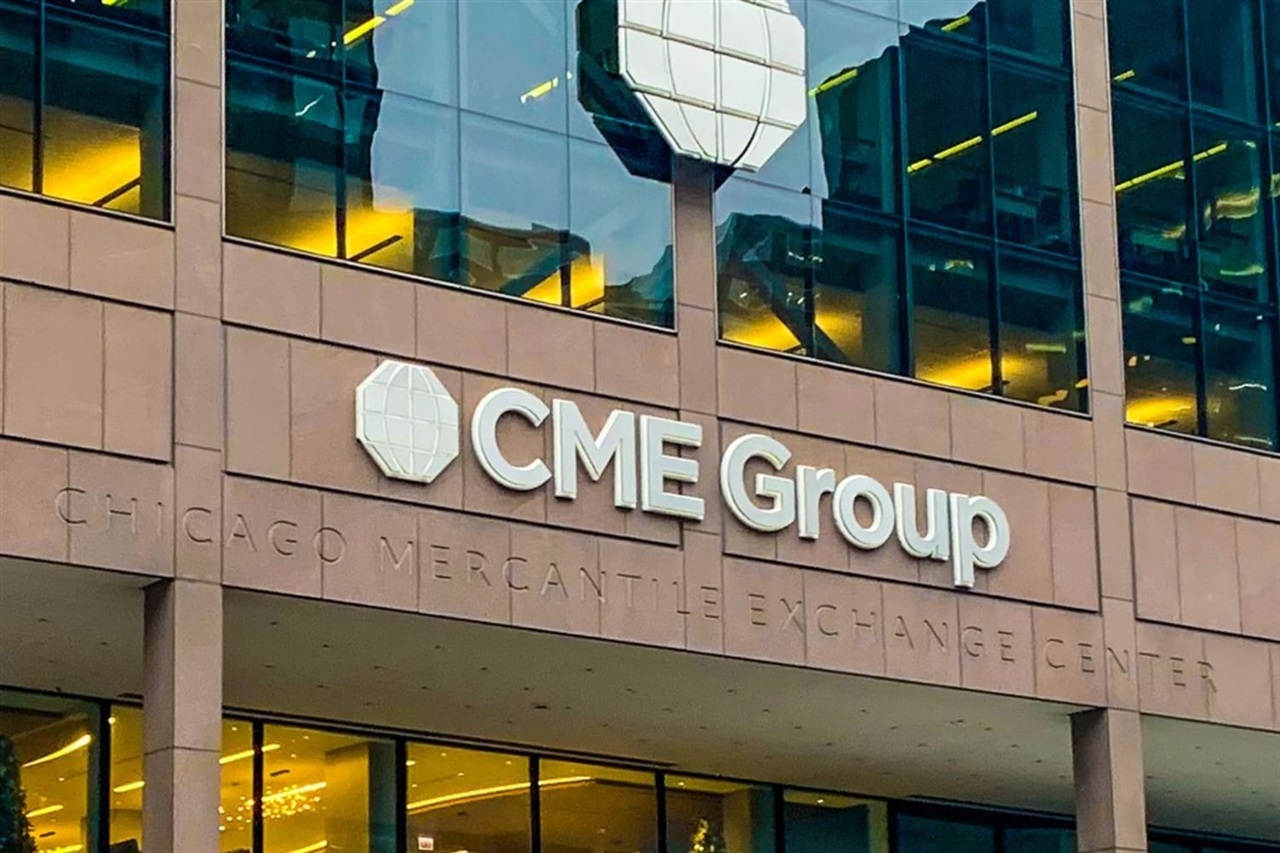
CME Group's GPU futures debut stalls as CFTC raises concerns
The stall of CME Group's GPU futures, after CFTC concerns, complicates TCO planning for those building on-premise and self-hosted LLM infrastructure.
Accelerated TPU cycles and advanced packaging bottlenecks are reshaping AI compute infrastructure, while software layers adapt to maintain portability across GPUs and accelerators. GPU futures and hardware-agnostic runtimes reflect persistent planning uncertainty for on-premise deployments.
The stall of CME Group's GPU futures, after CFTC concerns, complicates TCO planning for those building on-premise and self-hosted LLM infrastructure.
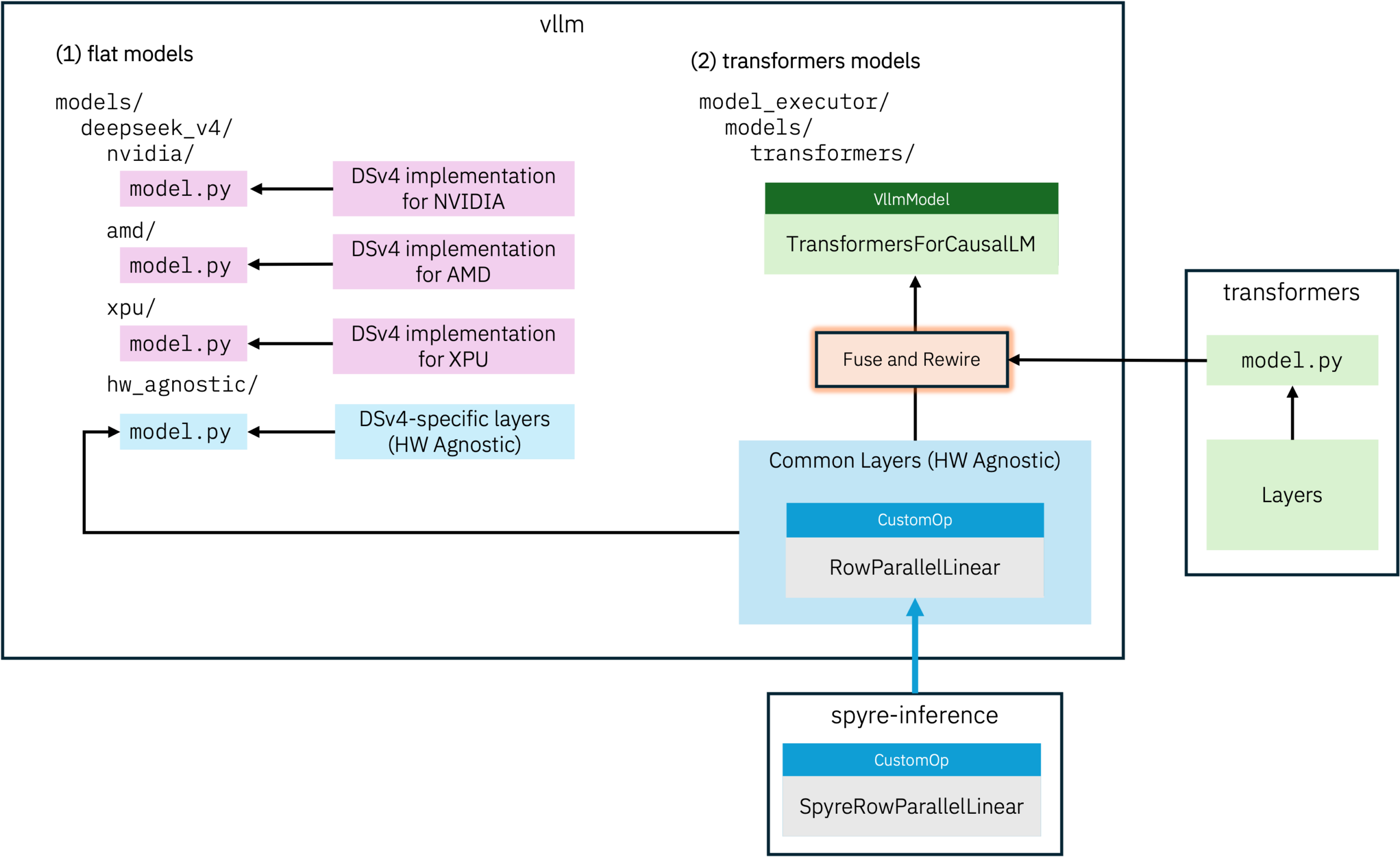
vLLM is introducing in-tree hardware-agnostic layers to keep supporting out-of-tree accelerators, older datacenter GPUs, and consumer cards. On NVIDIA H100, total token throughput stays within 3.4% of the native implementation. The move separates fla...
The open-source ZLUDA project has added support for some NVIDIA cuFFT APIs by relying on hipFFT, part of AMD's ROCm/HIP stack. The move broadens CUDA compatibility on non-NVIDIA GPUs such as Radeon and signals a strategic shift in the portability eco...
Intel released Compute Runtime 26.35.39758.10 for Windows and Linux, updating OpenCL and Level Zero. The update enables LEO for Nova Lake and introduces the Intel Portable ISA (PISA). For self-hosted deployments, a stable ISA across silicon generatio...
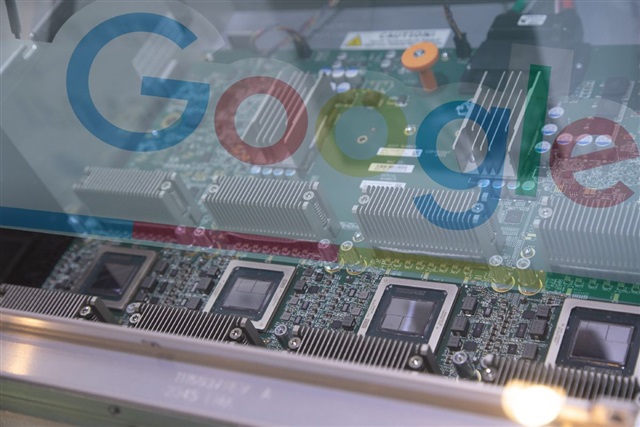
Google is reportedly weighing CoWoS as a backup for 2027 TPUs because EMIB-T substrate yields are lagging expectations. The report highlights a bottleneck in advanced packaging, with potential effects on cloud capacity, costs and deployment strategie...
Google has outlined an expansion of its AI compute capacity and shortened the development cycle of its TPUs to six months. A pace that brings specialized hardware closer to software logic and strengthens the role of large cloud providers, while organ...