Topic / Trend Rising

AI Infrastructure Efficiency Beyond GPUs

Beyond GPUs, efficiency gains are coming from networking, memory bandwidth and low-level kernels. Examples from F5, AMD and Meta show that orchestration, data movement and attention kernels can multiply throughput at constant compute.

Detected: 2026-10-02 ยท Updated: 2026-10-02

Related Coverage

2026-10-02 โ€ข ServeTheHome

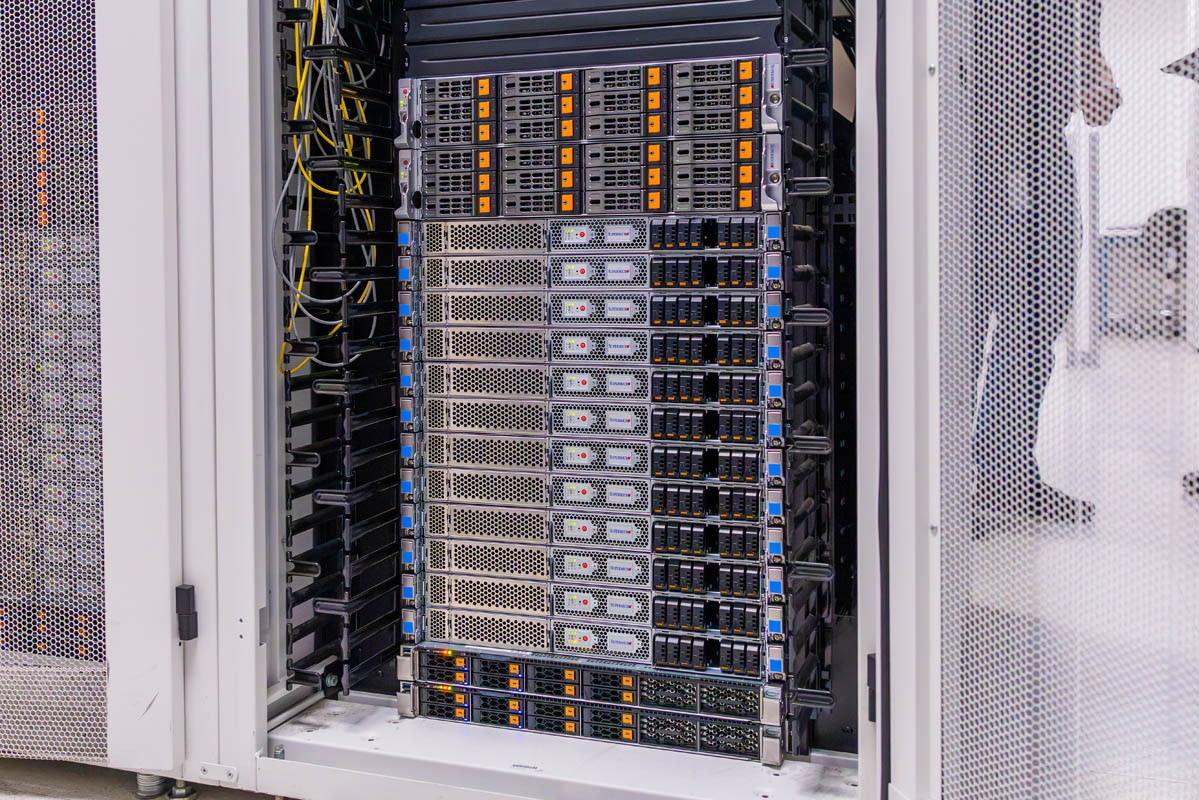
BIG-IP Next for Kubernetes: AI Efficiency Shifts from GPU to Network

F5's test on BIG-IP Next for Kubernetes shows that the same GPU cluster can deliver more than triple the performance by tuning traffic balancing and routing. For on-premise deployments, node-level efficiency becomes central to TCO; the risk is coupli...

2026-10-01 โ€ข PyTorch Blog

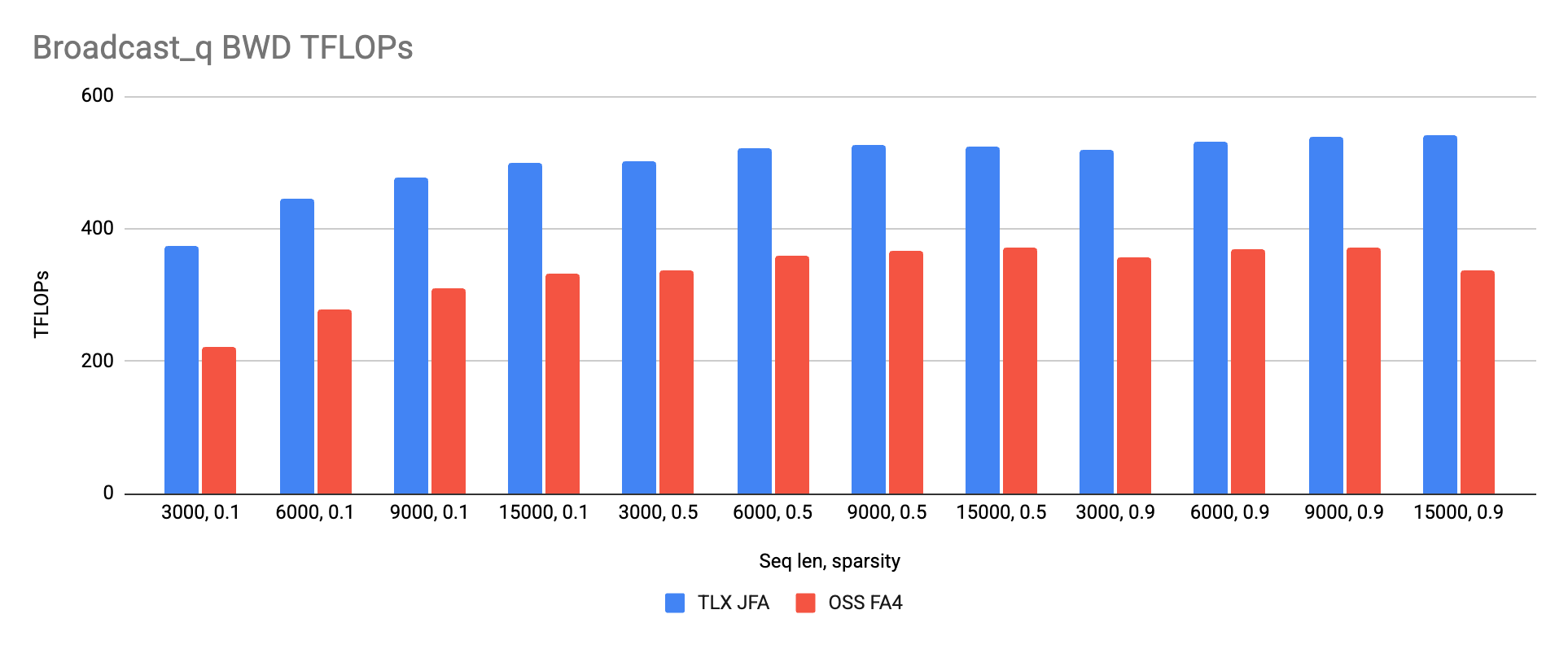
TLX takes jagged attention on Blackwell past FA4, with a third of the code

Meta's GEM attention kernel, rewritten in TLX, beats FlashAttention-4 on jagged Blackwell workloads: +13% forward and +50% backward on average, with about 3,200 lines versus 10,000. The result shows explicit hardware control no longer requires hand-w...

#Hardware #LLM On-Premise #Fine-Tuning
2026-10-01 โ€ข ServeTheHome

F5 BIG-IP Next for Kubernetes lab triples efficiency on the same GPU cluster

In F5's lab, using BIG-IP Next for Kubernetes showed more than triple performance on the same GPU cluster. The result shifts focus from raw compute to network and orchestration efficiency: for on-premise LLM deployments, data traffic can be the real ...

#Hardware #LLM On-Premise #Fine-Tuning
2026-09-29 โ€ข LocalLLaMA

AMD's 256-core EPYC challenges GPU memory bandwidth for self-hosted LLMs

AMD's new 256-core EPYC delivers memory bandwidth at 91% of an RTX 5090 through a 16-channel DDR5-12800 controller. The LocalLLaMA community responds with sarcasm and realism about the cost of high-density RDIMMs and the question of how many tokens p...

#Hardware #LLM On-Premise #DevOps
โ† Back to All Topics