The Resignation and the Context of the Threats
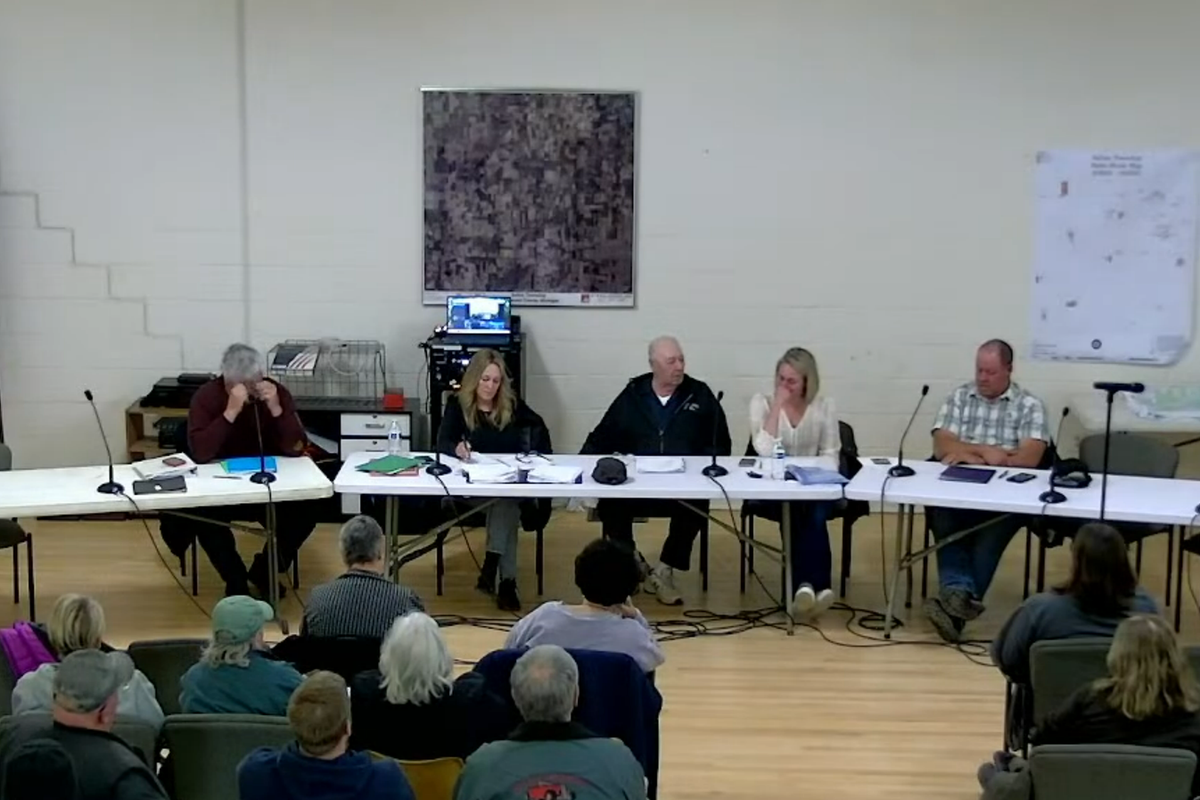
Jennifer Zink, treasurer of Saline Township, Michigan, publicly resigned last week, citing death threats she had received. These threats were directly linked to the controversial construction of a datacenter involving Oracle and OpenAI within the township's territory.
During a township meeting held on May 13, Zink stated, visibly emotional, that she could no longer endure the pressure. Her words revealed the seriousness of the situation, mentioning explicit and offensive threats, including the phrase "I'm gonna tar and feather you." The resignation became effective on May 29.
The Impact of Datacenters on Local Infrastructure
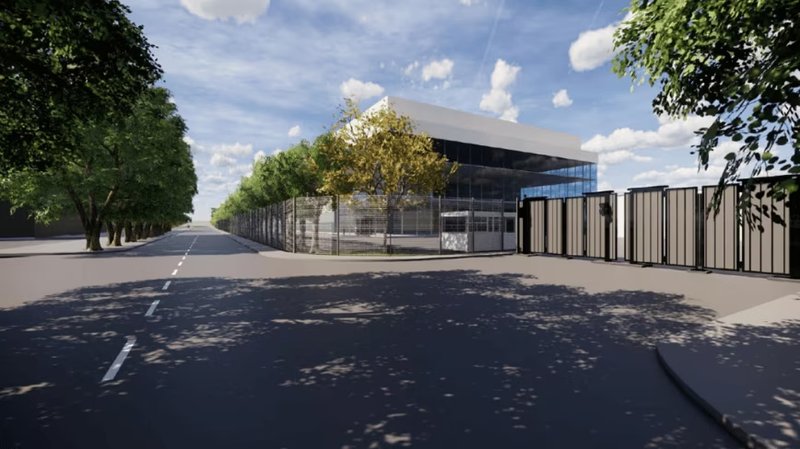
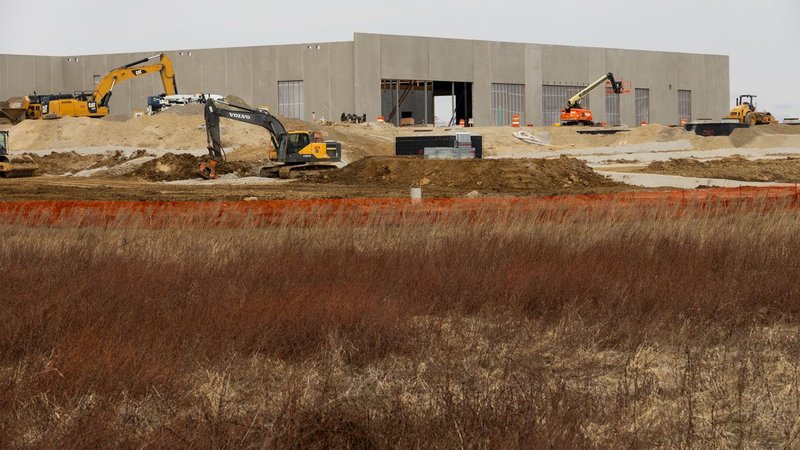
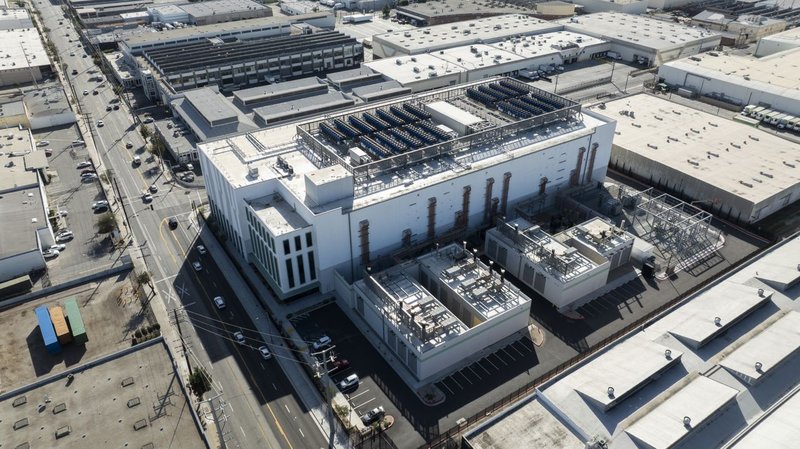
The incident in Saline Township sheds light on the growing challenges that local communities face when hosting large-scale technological infrastructure. Datacenters, particularly those designed to support intensive workloads like Large Language Models (LLM) and artificial intelligence, require considerable resources.
These facilities demand extensive land areas, significant amounts of electrical power, and advanced cooling systems. Their implementation can raise concerns among residents regarding environmental impact, water and energy consumption, and changes to the local landscape. For companies considering an on-premise deployment, site selection is not just a technical or economic matter, but also a social and political one.
Data Sovereignty and TCO: Deployment Challenges
As global companies like OpenAI and Oracle continue to expand their infrastructure footprint to meet AI demand, deployment decisions become increasingly complex. For CTOs and infrastructure architects, choosing between cloud and self-hosted solutions for AI workloads involves a thorough evaluation of Total Cost of Ownership (TCO), data sovereignty, and regulatory compliance.
An on-premise datacenter offers unparalleled control over data and hardware, a crucial aspect for sectors with stringent security requirements or for air-gapped environments. However, the establishment and management of such infrastructures entail significant initial investments and the need to address local dynamics, as demonstrated by the Saline Township case. AI-RADAR offers analytical frameworks on /llm-onpremise to evaluate these trade-offs.
Balancing Technological Progress and Social Acceptance
The Saline Township case highlights a fundamental tension between the rapid expansion of infrastructure necessary for the advancement of artificial intelligence and the need to gain acceptance and support from local communities. The construction of new datacenters is an essential step to support the inference and training of increasingly complex LLMs, but it cannot disregard constructive dialogue with the territories involved.
For technology decision-makers, understanding and mitigating the social and environmental impact of their infrastructure projects is as important as optimizing hardware performance or TCO. The sustainability of a deployment, whether on-premise or hybrid, depends not only on its technical efficiency but also on its harmonious integration into the social and economic fabric of the host areas.




💬 Comments (0)
🔒 Log in or register to comment on articles.
No comments yet. Be the first to comment!