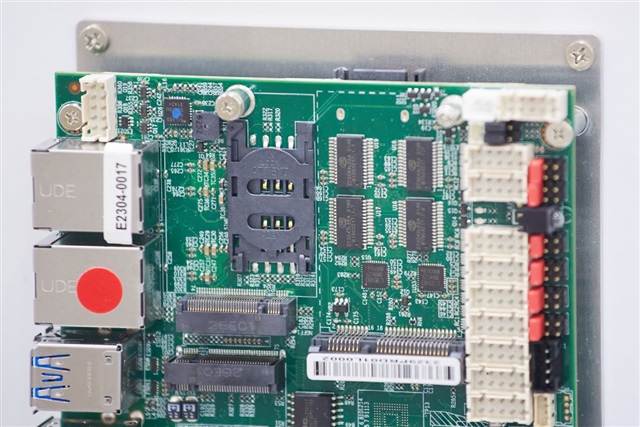
After months of inventory correction, passive component suppliers are seeing a fresh wave of orders. As reported by DIGITIMES, two fast-growing sectors are driving the rebound: AI servers and automotive. This development is more relevant to the on-premise infrastructure world than it might appear at first glance.
The reason is structural. AI servers — especially those used for training large-scale models or intensive inference — incorporate a much higher number of passive components (capacitors, resistors, inductors) than traditional systems. The enormous power drawn by GPUs and accelerators, the need for clean power delivery, and thermal management push densities to unprecedented levels. A single compute node can integrate thousands of these parts, turning what was once a low-cost commodity into a factor capable of influencing the entire supply chain.
The current rebound follows a period of excess inventory when demand had shrunk. Now, with the surge in AI server orders and growing vehicle electrification, manufacturers are ramping up production again. This is significant because passive components often act as a leading indicator: when the sector picks up, the whole hardware chain tends to follow, with possible bottlenecks in lead times and pricing.
For organizations evaluating or managing on-premise deployments of LLMs and other AI workloads, this dynamic has concrete implications. Procuring server nodes doesn't depend only on GPU or CPU availability, but on the health of the entire electronics supply chain. Delays in shipping seemingly trivial components can extend time-to-market for a local cluster or increase total cost of ownership (TCO) during already sensitive budget phases. At a time when data sovereignty is pushing many toward self-hosted solutions, having access to critical components becomes part of the decision process, as much as choosing a serving framework or a model's quantization level.
To be clear, this is not an immediate alarm but a trend to watch. The growing automotive demand — which shares many production lines with the server world — adds further pressure. And while the market is adapting by adding capacity, visibility into the second half of the year remains limited.









💬 Comments (0)
🔒 Log in or register to comment on articles.
No comments yet. Be the first to comment!