The core of technology: why EUV is essential
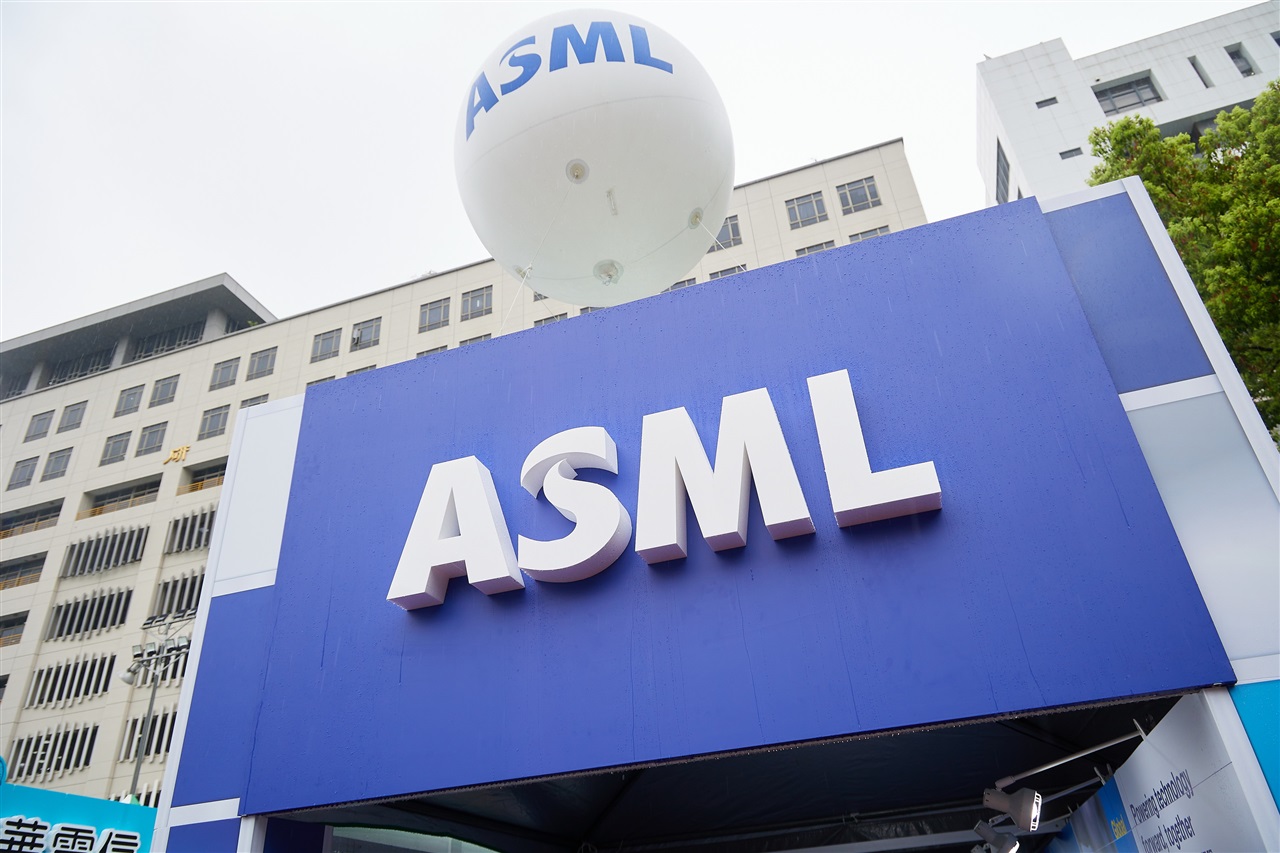
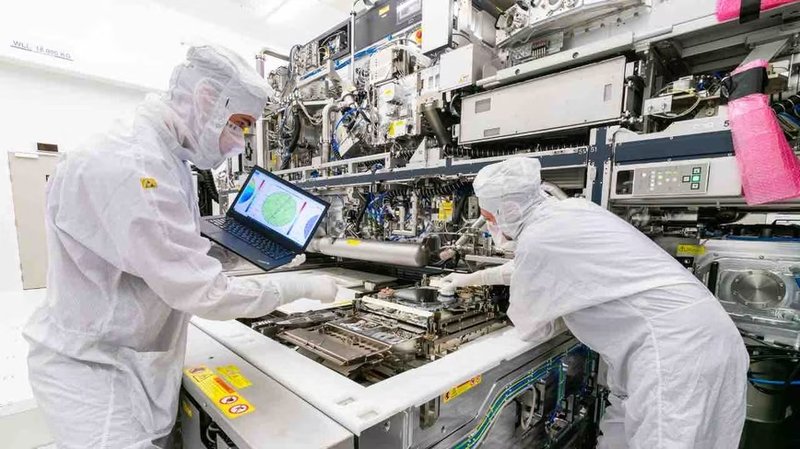
Extreme ultraviolet (EUV) lithography is the pinnacle of semiconductor manufacturing. Without these machines, it is impossible to produce chips at nodes below 7 nanometers – the kind found in the most powerful GPUs, such as the NVIDIA A100 and H100, or in dedicated AI processors. ASML, a Dutch company, is the sole global supplier of these tools: each unit costs hundreds of millions of euros, is assembled with components from across the globe, and demands extreme clean-room logistics. For years, the United States has pressured to keep China from acquiring this technology, viewing it as a strategic national asset.
The export control grip and suspicion of a breach
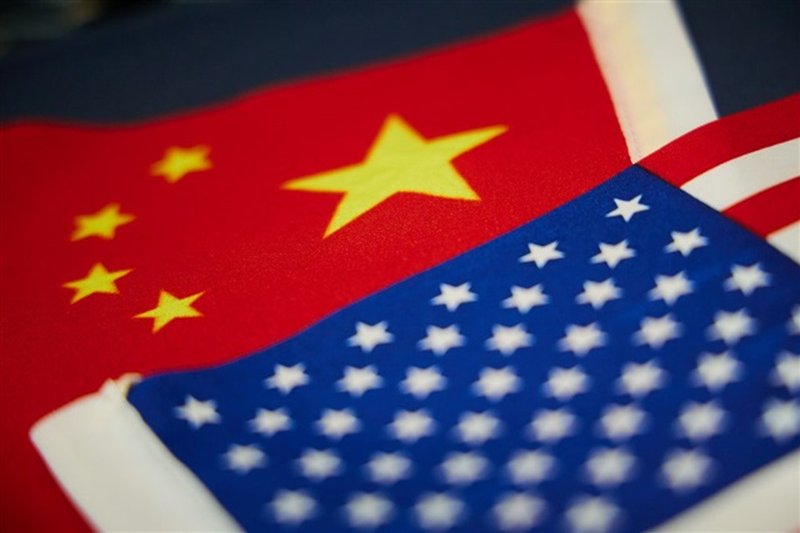
After 2019, Washington blocked the sale of EUV machines to Chinese firms, fearing Beijing could accelerate its military and artificial intelligence chip programs. The latest alarm, reported by Digitimes, signals that the US suspects at least one EUV system is already operational in China, possibly arriving through commercial triangulation. If confirmed, this scenario would put ASML in an uncomfortable position: on one hand, the company must prove it abided by controls; on the other, it finds itself in the crosshairs of a geopolitical escalation that could lead to even stricter restrictions, including secondary sanctions on maintenance crews or the supply chain.
Why the stakes matter for those running LLMs locally
For any organization running large language models (LLMs) on its own servers or in air-gapped environments, the availability of hardware accelerators is critical. Today, performing fine-tuning or inference on-premise requires cards with large VRAM, high memory bandwidth, and FP16/INT8 compute capability – all features dependent on sub-7nm manufacturing nodes. Any disruption in supply – whether from unauthorized Chinese production or from a restrictive US response that further limits advanced chip exports – translates into longer lead times, rising costs, and planning uncertainties. In an already tight market where AI GPU demand outstrips supply, these geopolitical tensions add a risk factor that is hard to model in a TCO analysis.
Scenarios and trade-offs for on-premise infrastructure
Those evaluating an on-premise deployment must now consider not only technical specifications and energy consumption but also supply chain resilience. While China’s entry into EUV production could theoretically boost global supply of advanced chips, it is more likely that the US will respond with additional barriers, creating a two-tier market: controlled “Western” chips and Chinese chips subject to fewer restrictions but with possible performance or software compatibility limitations. For those prioritizing data sovereignty and local stack usage, hardware selection becomes an exercise in scenario planning: diversifying suppliers, considering alternative acceleration technologies (FPGAs, dedicated ASICs), or accepting compromises on production nodes (e.g., 7nm or 10nm) with appropriately quantized models can mitigate exposure to geopolitical risk. AI-RADAR will continue monitoring these developments, offering analytical frameworks on /llm-onpremise to help navigate the uncertainties of an increasingly fragmented supply chain.





💬 Comments (0)
🔒 Log in or register to comment on articles.
No comments yet. Be the first to comment!