Introduction
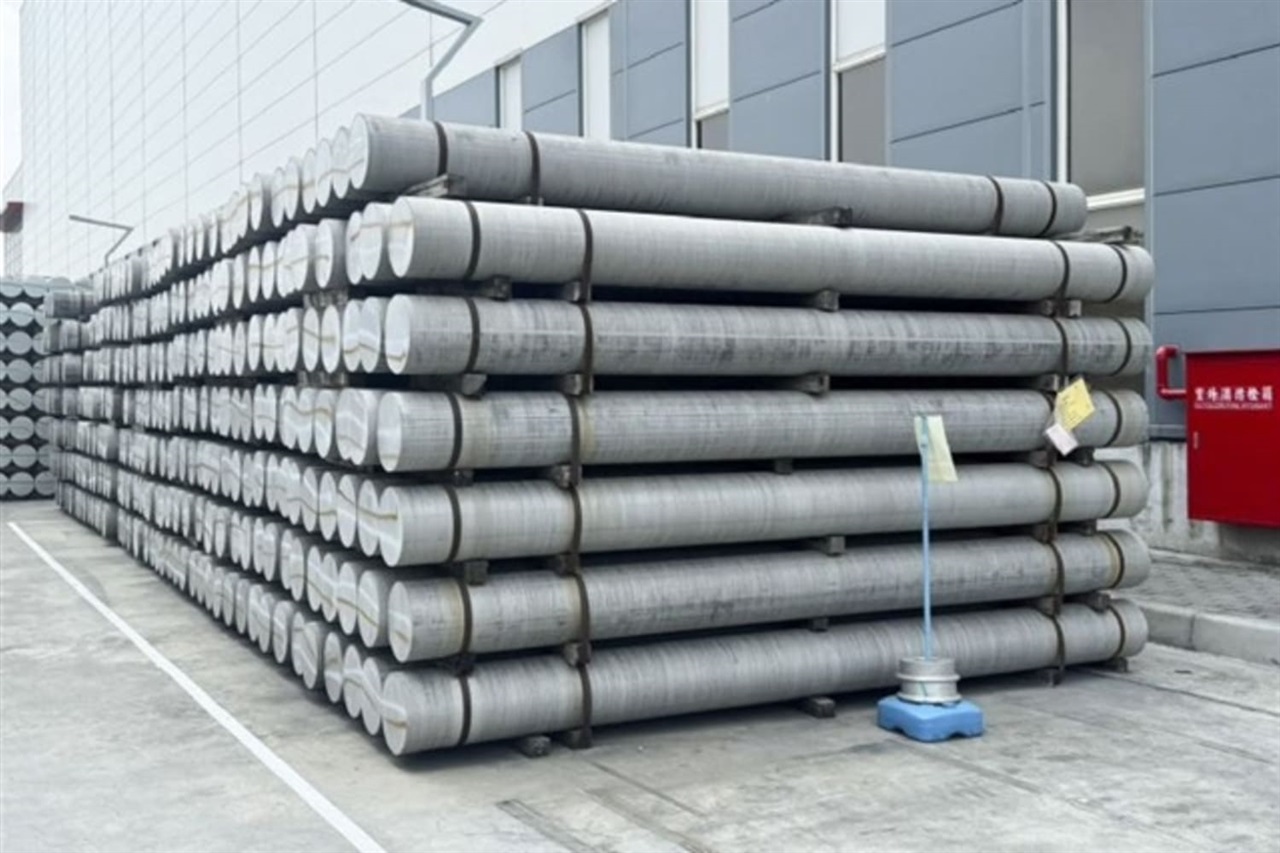
SuperAlloy, an emerging player in the industrial landscape, is strategically shifting its focus towards the semiconductor supply chain, with a strong emphasis on the use of recycled aluminum. This move signals a growing interest in integrating sustainable practices into high-tech sectors, traditionally characterized by energy-intensive production processes and significant environmental footprints. SuperAlloy's initiative aligns with a global context where supply chain resilience and responsible resource management have become strategic priorities for businesses.
The semiconductor industry forms the backbone of technological innovation, powering every aspect of modern computing, from consumer devices to the data center infrastructures that host Large Language Models (LLMs). Reliance on specific raw materials and complex processes makes this supply chain particularly vulnerable to disruptions and market fluctuations. The introduction of recycled materials, such as aluminum, could offer a path towards greater stability and a reduction in ecological impact, aspects increasingly relevant for technology decision-makers.
Technical Detail: The Impact of Recycled Aluminum
Aluminum is a crucial material in electronics and IT infrastructure, not only for its lightness and strength but especially for its excellent heat dissipation properties. Components such as CPU and GPU heatsinks, server frames, and data center chassis extensively use this metal to ensure hardware operates at optimal temperatures, preventing overheating and extending device lifespan. In on-premise deployment contexts, where compute density is high, thermal efficiency is a critical factor.
The adoption of recycled aluminum in the production of these components offers several advantages. From an environmental perspective, it significantly reduces energy consumption and carbon emissions compared to primary aluminum production, which requires very intensive extraction and smelting processes. Economically, it can help stabilize raw material costs, mitigating price volatility linked to mining. For companies investing in self-hosted AI infrastructures, this translates into a potential positive impact on the long-term Total Cost of Ownership (TCO), both for direct material costs and indirect costs related to sustainability and regulatory compliance.
Context and Implications for AI Infrastructure
For CTOs, DevOps leads, and infrastructure architects evaluating on-premise solutions for AI/LLM workloads, the origin and sustainability of hardware materials are increasingly considered factors. The choice of components made from recycled materials is not just an ethical matter but can directly influence supply chain resilience and the ability to ensure the availability of critical hardware. In an era of growing concerns about data sovereignty and supply chain security, having suppliers who adopt circular economy practices can represent a strategic advantage.
The use of recycled aluminum can help reduce dependence on geographically concentrated or politically unstable sources, offering greater flexibility in the production of servers, racks, and cooling systems. This is particularly relevant for air-gapped environments or infrastructures requiring maximum control over their technology stack. The ability to source materials more sustainably and predictably supports the construction of robust, future-proof data centers, essential for large-scale LLM training and inference.
Final Perspective: Towards a More Resilient Supply Chain
SuperAlloy's initiative to integrate recycled aluminum into the semiconductor supply chain highlights a broader trend towards sustainable innovation in the technology sector. This approach not only addresses growing environmental pressures but also offers a model for tackling challenges related to the stability and security of global supply chains. For organizations aiming to build and manage their on-premise AI infrastructures, the availability of responsibly produced hardware with a robust supply chain is fundamental.
The transition towards more sustainable materials and circular production processes is a crucial step to ensure the longevity and efficiency of digital infrastructures. As the industry continues to evolve, attention to material sourcing and the environmental impact of hardware production will become a distinguishing factor for companies seeking to balance technological innovation, corporate responsibility, and operational control. For those evaluating on-premise deployments, considering the entire hardware lifecycle, from raw material to disposal, is now an integral part of the strategy.










💬 Comments (0)
🔒 Log in or register to comment on articles.
No comments yet. Be the first to comment!