AMD EPYC 8005 "Sorano": A New Chapter for Local Data Centers
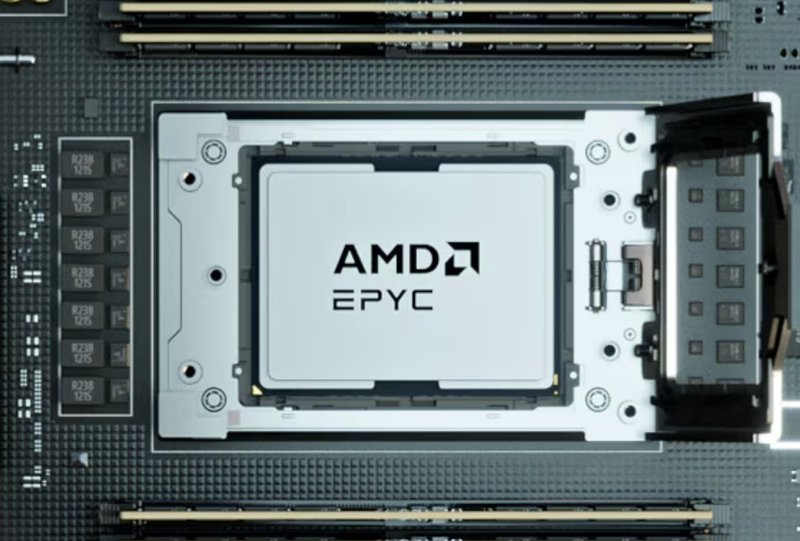
AMD recently provided a significant update on its data center processor offerings, unveiling the full details of the EPYC 8005 series, known by the codename "Sorano". This announcement follows an initial mention in late February, when the company had anticipated the arrival of this new line, intended to succeed the previous EPYC 8004 "Siena" series. The publication of the SKU table and additional technical specifications represents a key moment for organizations evaluating the evolution of their infrastructure.
The EPYC 8005 series positions itself as a fundamental element for self-hosted architectures, particularly those managing intensive workloads such as Large Language Models (LLM) and other artificial intelligence applications. With configurations ranging from 8 to 84 cores, these processors offer remarkable flexibility to adapt to diverse computational needs, from managing basic services to more complex processing tasks. The choice of an appropriate processor is indeed a pillar for ensuring performance, energy efficiency, and scalability in on-premise deployments.
Technical Details and Implications for Inference
The core count range, extending from 8 to 84, suggests a versatility designed to address a wide spectrum of scenarios. For AI workloads, even if GPUs are often at the center of attention for LLM Inference and training, the CPU plays an irreplaceable role. It manages orchestration, data pre-processing, result post-processing, and can perform Inference for smaller models or specific stages of the pipeline. A high core density, such as that offered by the EPYC 8005 series, can translate into a greater capacity to handle concurrent requests and optimize the overall system throughput.
In on-premise deployment contexts, the processor choice directly impacts TCO. Factors such as power consumption per core, required cooling capacity, and platform longevity are critical elements. The new "Sorano" processors promise to offer a balance between performance and efficiency, fundamental aspects for companies aiming to control operational costs and maximize return on investment in their hardware infrastructure.
Data Control and Sovereignty in the AI Era
The adoption of self-hosted hardware solutions, such as those based on AMD EPYC 8005 processors, is a strategic choice for organizations that prioritize data sovereignty and compliance. Keeping AI workloads within their own data centers allows for granular control over data access, security, and adherence to current regulations, such as GDPR. This approach is particularly relevant for regulated sectors, where the management of sensitive data cannot be delegated to third parties without careful risk assessment.
The ability to build robust and performant local stacks offers a concrete alternative to cloud services, enabling companies to avoid the complexities associated with transferring large volumes of data and to mitigate risks related to dependence on external providers. The EPYC 8005 series, with its updated specifications, provides CTOs and infrastructure architects with the tools to design systems that meet these control and security needs.
Future Perspectives for AI Infrastructure
The introduction of new generations of processors like the AMD EPYC 8005 "Sorano" series underscores the commitment of silicon manufacturers to support the growing demands of AI workloads. For companies evaluating on-premise deployments, analyzing the specifications of these new processors is essential for making informed decisions. The choice between different hardware architectures always involves a careful evaluation of the trade-offs between initial costs, expected performance, energy consumption, and scalability requirements.
AI-RADAR continues to monitor the evolution of the hardware market, providing analyses and frameworks to help decision-makers navigate these complexities. To delve deeper into methodologies for evaluating on-premise LLM deployments, resources are available at /llm-onpremise, offering insights into critical factors to consider for effective and sustainable implementation.





💬 Comments (0)
🔒 Log in or register to comment on articles.
No comments yet. Be the first to comment!