
AMD Strengthens AI Presence with Major Investment in Taiwan
AMD has formalized a significant financial commitment, allocating over $10 billion to Taiwan's semiconductor ecosystem. This multi-year investment is strategic, aiming to consolidate existing partnerships and enhance advanced packaging manufacturing capabilities, crucial elements for the development of next-generation AI infrastructure. At the core of this initiative is AMD's rack-scale Helios platform, with its deployment expected in the second half of 2026.
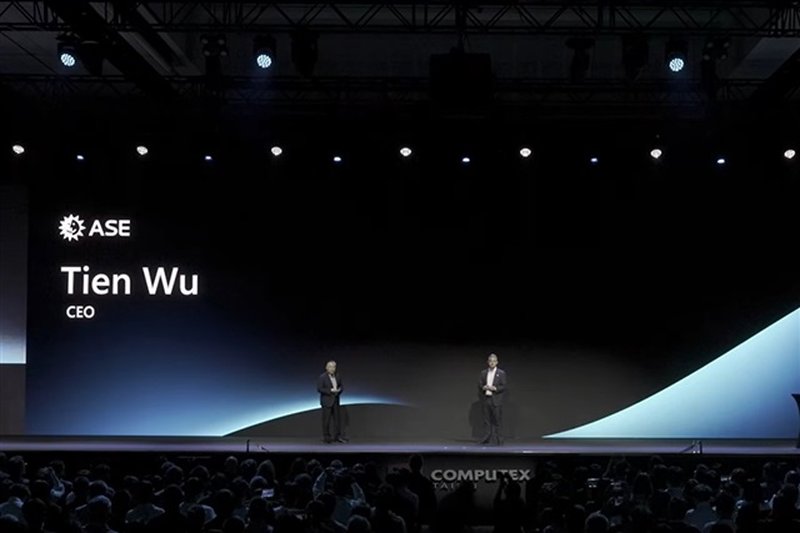
The announcement, made by AMD CEO Lisa Su, underscores Taiwan's importance as a global hub for semiconductor technology. Collaboration with key players like ASE and SPIL is fundamental to ensuring the supply and innovation required for AMD's future products in the artificial intelligence sector. This move highlights the increasing competition in the AI hardware market and the necessity of securing a robust and cutting-edge supply chain.
The Critical Role of Advanced Packaging for AI
AMD's investment specifically targets "advanced packaging" and next-generation "silicon." In the context of artificial intelligence, advanced packaging is not merely a detail but a decisive factor for the performance and energy efficiency of AI accelerators. Technologies such as 3D stacking and chiplet integration allow overcoming the physical limitations of monolithic chips, increasing transistor density, memory bandwidth (VRAM), and reducing latency.
These innovations are essential for handling the intensive workloads of Large Language Models (LLM) and other complex AI models. Superior packaging translates into more powerful and compact GPU modules, which can be integrated into rack-scale platforms like Helios, optimizing space and throughput in data centers. For companies evaluating self-hosted or on-premise deployments, the availability of hardware with advanced packaging means achieving greater computing capabilities in a reduced physical footprint, with direct implications for Total Cost of Ownership (TCO) and operational efficiency.
Implications for On-Premise Deployments and Data Sovereignty
AMD's commitment to expanding silicon and advanced packaging manufacturing capabilities in Taiwan has significant implications for organizations planning to build their own AI infrastructure. The availability of cutting-edge hardware is a prerequisite for effective on-premise deployments, offering companies unprecedented control over their data and AI models. This aspect is crucial for sectors with stringent compliance and data sovereignty requirements, where public cloud solutions may not always be the preferred option.
The Helios platform, once available, could represent a key solution for CTOs and infrastructure architects seeking cloud alternatives for AI workloads. The ability to manage LLMs and other complex models in air-gapped or strictly controlled environments is a competitive advantage. For those evaluating on-premise deployments, AI-RADAR offers analytical frameworks on /llm-onpremise to assess the trade-offs between initial costs, operational costs, performance, and security requirements, providing a solid basis for informed decisions.
Future Prospects in the AI Hardware Landscape
AMD's investment in Taiwan positions the company as an increasingly relevant player in the rapidly expanding AI hardware market. With the deployment of the Helios platform anticipated for 2026, AMD is preparing to offer competitive solutions for the most advanced AI computing needs. This scenario stimulates innovation and competition, benefiting enterprises seeking robust and scalable solutions for their artificial intelligence strategies.
AMD's strategy reflects a broader trend in the tech industry: the growing importance of direct control over the supply chain and the production of critical components. For technical decision-makers, choosing the right hardware is fundamental to the success of AI projects, influencing not only performance but also flexibility, security, and long-term TCO. AMD's commitment in this sector promises to expand the options available for anyone looking to build resilient and high-performing AI infrastructure.







💬 Comments (0)
🔒 Log in or register to comment on articles.
No comments yet. Be the first to comment!