DIGITIMES Analysis: Siri's Evolution, AI Agent Trends, and the Future of 2nm Silicio
A recent analysis by DIGITIMES sheds light on some of the most significant trends shaping the artificial intelligence landscape. At the core of the discussion are the evolution of virtual assistants like Apple's Siri, the emergence of increasingly sophisticated AI agents, and the manufacturing reality of Samsung's 2-nanometer (nm) silicio. These seemingly distinct topics converge to define the future capabilities and constraints of AI deployments, particularly for on-premise architectures and distributed AI at the edge.
For CTOs, DevOps leads, and infrastructure architects, understanding these dynamics is crucial. Decisions regarding hardware, data sovereignty, and TCO are directly influenced by advancements in AI model design and chip fabrication. The DIGITIMES analysis offers valuable insights for those evaluating AI adoption and implementation strategies in critical enterprise contexts.
The Rise of AI Agents and Siri's Transformation
The evolution of voice assistants like Siri from simple interfaces to full-fledged AI agents represents a paradigm shift. These systems are moving from predefined responses to capabilities for contextual reasoning and executing complex tasks, often requiring the integration of Large Language Models (LLM) and other advanced AI techniques. This transition implies an exponential increase in computational demands.
The main challenge lies in balancing computing power with deployment requirements. While cloud processing offers almost limitless scalability, running AI agents directly on devices (on-device or at the edge) ensures greater privacy, data sovereignty, and reduced latency. This latter approach is particularly relevant for sectors with stringent compliance requirements or for applications in air-gapped environments, where data cannot leave the corporate perimeter or the device itself.
Samsung's 2nm Silicio: A Critical Factor for AI
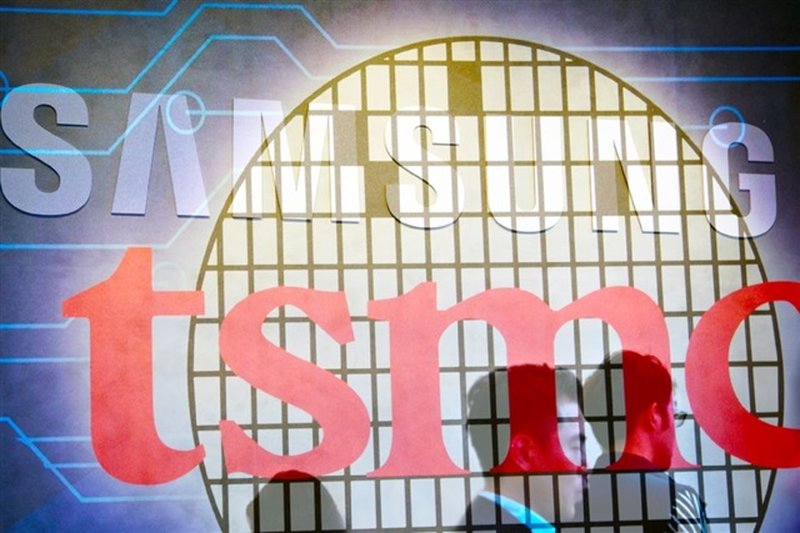
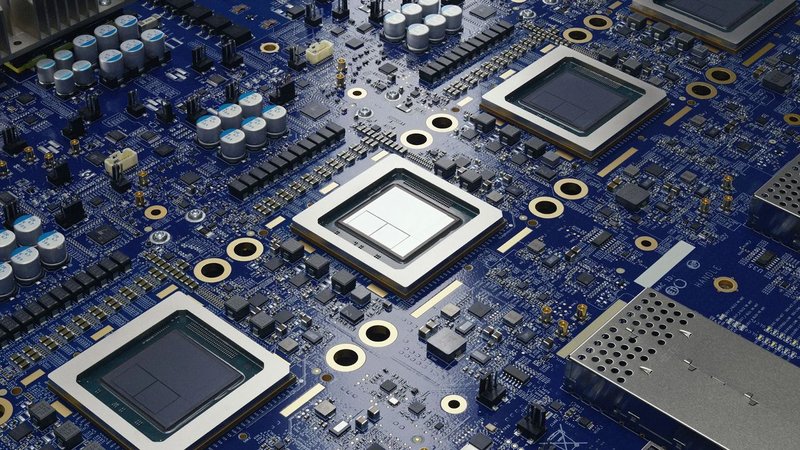
Samsung's "2nm reality," mentioned in the analysis, underscores the crucial importance of advancements in semiconductor manufacturing. Transistor miniaturization to 2 nanometers allows for the integration of a significantly higher number of components on a single chip, drastically improving energy efficiency and performance. This is an enabling factor for the next generation of AI accelerators, including GPUs and NPUs, which will be the beating heart of inference and training systems.
For on-premise deployments, the adoption of more advanced silicio translates into potentially lower TCO in the long run. More efficient chips mean lower energy consumption, reducing operational expenses and carbon footprint. Furthermore, higher transistor density allows for more computing power in limited physical spaces, a significant advantage for enterprise data centers. The competition among major silicio manufacturers, such as Samsung and TSMC, is therefore a key element that will influence the availability and specifications of future AI hardware.
Future Prospects for AI Infrastructure
The trends highlighted by the DIGITIMES analysis converge towards a future where distributed computing capacity and hardware efficiency will be decisive for the success of AI projects. The evolution of AI agents will require flexible solutions that can operate both in the cloud and on-premise or at the edge, depending on specific performance, security, and cost requirements.
The availability of 2nm silicio, or even more advanced nodes, will not only push the boundaries of performance but also influence infrastructure investment decisions. Companies will need to carefully evaluate the trade-offs between initial investment (CapEx) in cutting-edge hardware and operational costs (OpEx) related to energy and maintenance. AI-RADAR is committed to providing analytical frameworks on /llm-onpremise to help decision-makers navigate these complexities, offering a neutral perspective on the constraints and opportunities of different deployment approaches.




💬 Comments (0)
🔒 Log in or register to comment on articles.
No comments yet. Be the first to comment!