Anthropic, the AI lab behind the Claude models, is evaluating the development of custom chips for training and inference of Large Language Models. Recent rumors suggest Samsung could be a manufacturing partner, signaling an attempt to reduce reliance on Nvidia.
The news, though still exploratory, is a tangible sign that the AI hardware market is becoming more contestable. To date, Nvidia has dominated LLM workloads both in the cloud and on-premise, but rising costs and supply chain constraints are pushing large companies to seek alternatives. Anthropic, which has so far largely relied on Nvidia GPUs in its data centers, would not be the first: Google has its TPUs, Amazon has Trainium chips, and Microsoft is reportedly working on proprietary designs.
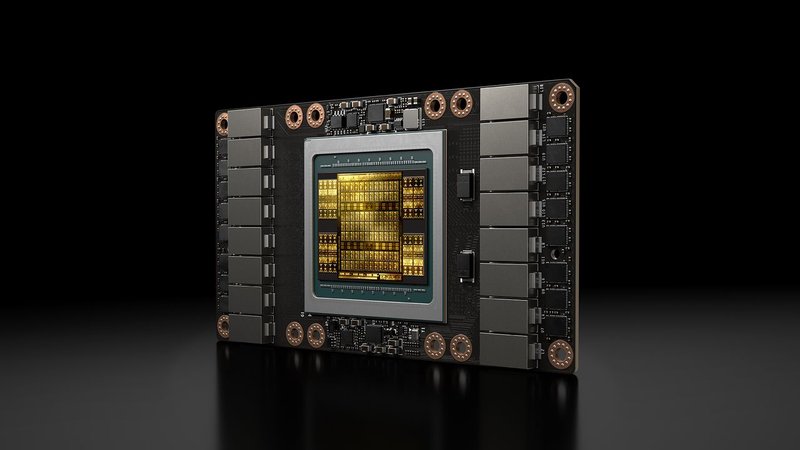
From a technical standpoint, an internally designed chip would allow optimization for the specific characteristics of Claude models, with potential gains in latency, throughput, and energy efficiency. For organizations running on-premise LLM deployments, the prospect is intriguing even indirectly: a broader range of specialized silicon could, in the medium term, translate into alternatives to Nvidia GPUs, with positive effects on TCO and infrastructure control. Today, self-hosting entities must often accept the pricing and availability dictated by the dominant vendor; more options could spark healthy competition.
Creating a chip from scratch, however, is no small feat. It requires massive investment, deep expertise, and long development timelines—often incompatible with the pace at which algorithms evolve. Anthropic benefits from strong funding and a close partnership with Google Cloud, which could accelerate the process. Samsung, for its part, boasts advanced process manufacturing capabilities and has already provided packaging solutions to several industry players.
The topic fits within a broader search for technological sovereignty. Many organizations evaluating on-premise deployment do so to maintain control over their data, avoid lock-in, and ensure compliance with regulations such as GDPR. Having access to diversified hardware platforms, possibly produced in partnership with fabs outside the US-centric supply chain, can add a layer of resilience to the entire stack.
For now, neither Anthropic nor Samsung has officially confirmed the talks. But the mere possibility that an LLM leader like Anthropic might embark on a path toward hardware independence is enough to make the industry reflect on how the next wave of innovation may also come from custom silicon.







💬 Comments (0)
🔒 Log in or register to comment on articles.
No comments yet. Be the first to comment!