
Apple: l'era dei servizi si chiude, la sfida AI attende il nuovo CEO
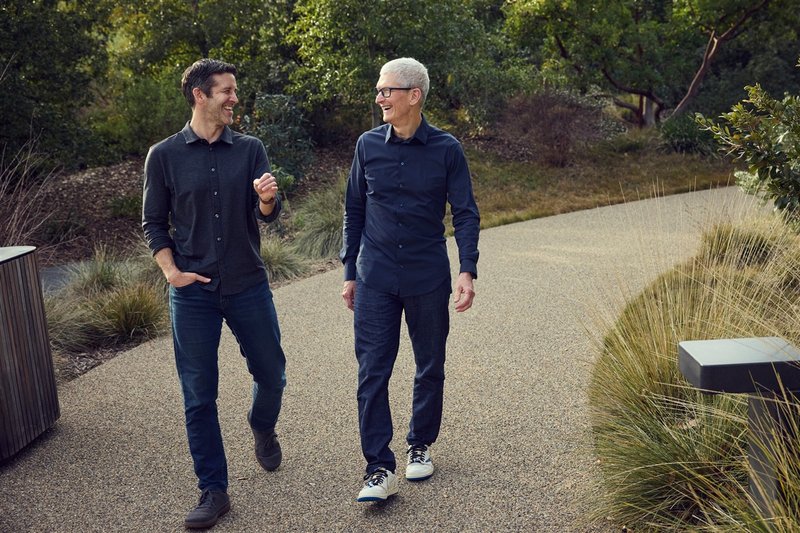
L'imminente uscita di Tim Cook da Apple segna la fine di un'era focalizzata sui servizi. Il suo successore, John Ternus, si troverà di fronte alla cruciale sfida di guidare l'azienda nell'era dell'intelligenza artificiale. Questa transizione strategica richiederà decisioni fondamentali su come integrare l'AI nei prodotti e servizi, con implicazioni significative per l'infrastruttura tecnicica e le strategie di deployment, sia on-premise che cloud.
L'eredità dei servizi e la nuova frontiera dell'AI
Sotto la guida di Tim Cook, Apple ha consolidato la sua posizione nel mercato dei servizi, trasformando l'azienda da un gigante dell'hardware a un ecosistema integrato che genera ricavi significativi da App Store, Apple Music, iCloud e altri abbonamenti. Questa strategia ha garantito una crescita costante e ha diversificato le fonti di guadagno, riducendo la dipendenza dalle vendite di dispositivi.
Tuttavia, il panorama tecnicico è in rapida evoluzione e l'avvento dell'intelligenza artificiale generativa, in particolare dei Large Language Models (LLM), sta ridefinendo le aspettative degli utenti e le capacità dei prodotti. Per un'azienda come Apple, "abbracciare l'era dell'AI" significa non solo integrare funzionalità smart nei dispositivi esistenti, ma anche ripensare l'interazione utente, lo sviluppo di nuovi servizi e la gestione dei dati su vasta scala.
Implicazioni per l'infrastruttura e il deployment
L'integrazione profonda dell'AI, specialmente di LLM complessi, comporta sfide infrastrutturali non indifferenti. Le aziende devono valutare attentamente le opzioni di deployment, scegliendo tra soluzioni cloud-based e architetture self-hosted o ibride. Le decisioni in questo ambito sono cruciali e influenzano aspetti come la sovranità dei dati, la compliance normativa, la latenza e il Total Cost of Ownership (TCO).
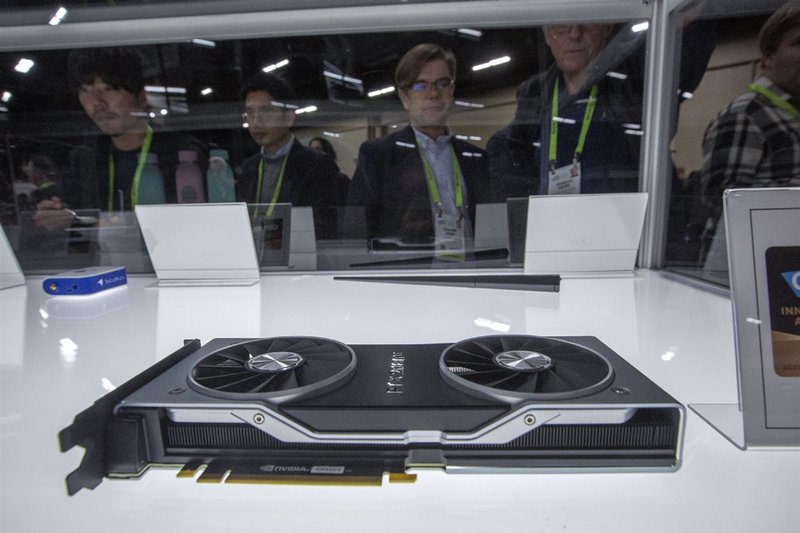
Il deployment di LLM on-premise, ad esempio, richiede investimenti significativi in hardware specializzato, come GPU con elevata VRAM e capacità di calcolo, oltre a una pipeline di gestione e ottimizzazione dei modelli. Questo approccio offre maggiore controllo sui dati e sulla sicurezza, essenziale per settori regolamentati o per scenari air-gapped, ma comporta costi iniziali più elevati e la necessità di competenze interne. Per chi valuta deployment on-premise, esistono framework analitici su /llm-onpremise che possono aiutare a definire i trade-off tra costi, performance e controllo.
La prospettiva di John Ternus
John Ternus, in qualità di prossimo CEO, dovrà navigare in questo complesso scenario. La sua leadership sarà fondamentale per definire la strategia AI di Apple, bilanciando l'innovazione con la tradizionale attenzione dell'azienda alla privacy e all'esperienza utente. Le scelte che verranno fatte in termini di ricerca e sviluppo, acquisizioni e partnership, così come le decisioni relative all'infrastruttura di calcolo e al deployment dei modelli, avranno un impatto duraturo sulla traiettoria futura di Apple.
La transizione da un'era dominata dai servizi a una incentrata sull'AI rappresenta una delle sfide più significative nella storia recente di Apple. Il successo dipenderà dalla capacità di Ternus di guidare l'azienda non solo nell'adozione delle nuove tecnicie, ma anche nella creazione di un ecosistema AI che sia distintivo e in linea con i valori del brand.





💬 Commenti (0)
🔒 Accedi o registrati per commentare gli articoli.
Nessun commento ancora. Sii il primo a commentare!