ASML rivede al rialzo le previsioni 2026: il ruolo chiave della litografia EUV
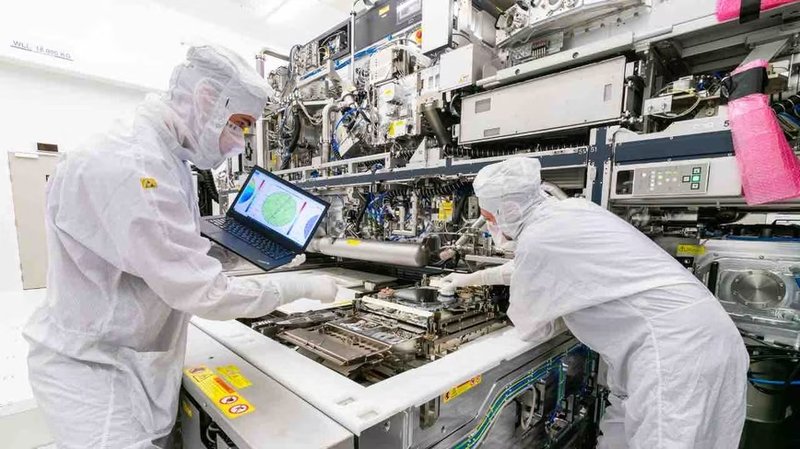
ASML, leader globale nella produzione di sistemi di litografia per l'industria dei semiconduttori, ha annunciato un significativo aumento delle sue previsioni finanziarie per il 2026. Questa revisione al rialzo è attribuita principalmente alla robusta e crescente domanda di tecnicia di litografia a ultravioletti estremi (EUV). L'azienda, con sede nei Paesi Bassi, è un pilastro fondamentale nella catena di approvvigionamento globale dei chip, fornendo le macchine essenziali per la fabbricazione dei processori più avanzati.
La tecnicia EUV rappresenta un salto generazionale nella capacità di incidere circuiti sempre più piccoli e complessi sui wafer di silicio. Senza le macchine EUV di ASML, la produzione di chip a nodi tecnicici di ultima generazione, come 7nm, 5nm e 3nm, sarebbe estremamente difficile o impossibile. Questi chip sono il cuore pulsante di ogni dispositivo elettronico moderno, dai server per data center agli smartphone, e sono indispensabili per alimentare le crescenti esigenze di calcolo dell'intelligenza artificiale.
La domanda di EUV e l'ecosistema del silicio per l'AI
La forte domanda di sistemi EUV da parte dei produttori di semiconduttori globali riflette un'aspettativa di crescita continua nel settore tecnicico, in particolare per le applicazioni che richiedono elevate capacità di elaborazione. L'intelligenza artificiale, con i suoi Large Language Models (LLM) e i carichi di lavoro di training e Inference sempre più intensivi, è uno dei principali motori di questa richiesta. I chip avanzati prodotti con tecnicia EUV sono la base per le GPU e gli acceleratori AI che alimentano questi sistemi.
Per le organizzazioni che valutano deployment di LLM on-premise, la disponibilità e l'evoluzione del silicio sono fattori critici. La capacità di ASML di soddisfare la domanda di EUV si traduce direttamente nella capacità dell'industria di produrre un numero sufficiente di chip ad alte prestazioni. Questo impatta non solo i tempi di consegna dell'hardware, ma anche il Total Cost of Ownership (TCO) delle infrastrutture AI self-hosted, influenzando le strategie di investimento a lungo termine.
Implicazioni per i deployment AI on-premise e la sovranità dei dati
La scelta di implementare LLM on-premise è spesso guidata da esigenze di sovranità dei dati, compliance normativa e controllo diretto sull'infrastruttura. Per realizzare questi obiettivi, è indispensabile disporre di hardware robusto e all'avanguardia. La dinamica della domanda di EUV, e di conseguenza del silicio avanzato, ha un impatto diretto sulla pianificazione strategica di CTO, DevOps lead e architetti di infrastruttura.
La disponibilità di GPU con elevata VRAM e throughput, essenziali per l'Inference e il fine-tuning di LLM, dipende in ultima analisi dalla capacità produttiva dei chip. Un mercato EUV in forte espansione può segnalare sia una maggiore disponibilità di silicio innovativo nel futuro, sia potenziali pressioni sulla catena di approvvigionamento che potrebbero influenzare i costi e i tempi di acquisizione dell'hardware necessario per ambienti air-gapped o self-hosted. Per chi valuta deployment on-premise, AI-RADAR offre framework analitici su /llm-onpremise per valutare i trade-off tra performance, costo e controllo.
Prospettive future e sfide nella catena di approvvigionamento
L'ottimismo di ASML per il 2026 evidenzia una traiettoria di crescita sostenuta per l'industria dei semiconduttori, con l'AI come catalizzatore primario. Tuttavia, la complessità e il costo delle macchine EUV, insieme alla loro produzione limitata, rendono la catena di approvvigionamento del silicio un punto critico. Le decisioni di investimento in infrastrutture AI on-premise devono tenere conto di queste dinamiche di mercato.
La continua innovazione nel campo della litografia promette chip sempre più potenti ed efficienti, ma la capacità di scalare la produzione per soddisfare una domanda esponenziale rimane una sfida. Questo scenario impone alle aziende di valutare attentamente i trade-off tra l'adozione di soluzioni cloud e la costruzione di capacità on-premise, considerando non solo le performance immediate ma anche la resilienza della supply chain e il TCO a lungo termine.






💬 Commenti (0)
🔒 Accedi o registrati per commentare gli articoli.
Nessun commento ancora. Sii il primo a commentare!