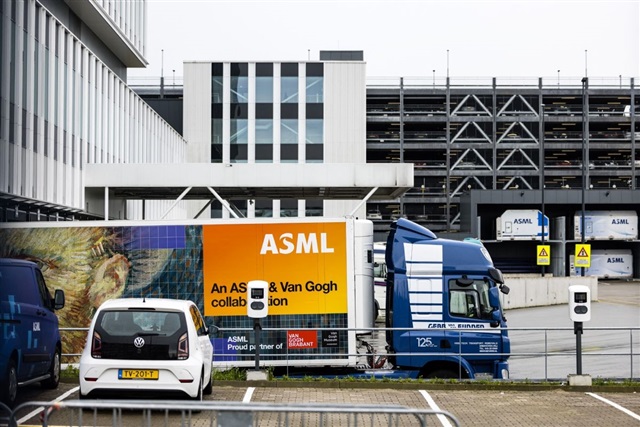
La Strategia di ASML per la Litografia EUV
ASML, azienda olandese leader mondiale nella produzione di sistemi di litografia, ha delineato una strategia chiara per il futuro della tecnicia a ultravioletti estremi (EUV), un pilastro fondamentale per la fabbricazione dei semiconduttori più avanzati. L'azienda ha annunciato l'estensione del supporto per i suoi sistemi Low NA EUV fino al 2031, una mossa che garantisce continuità e stabilità per i produttori di chip che attualmente si affidano a questa tecnicia consolidata.
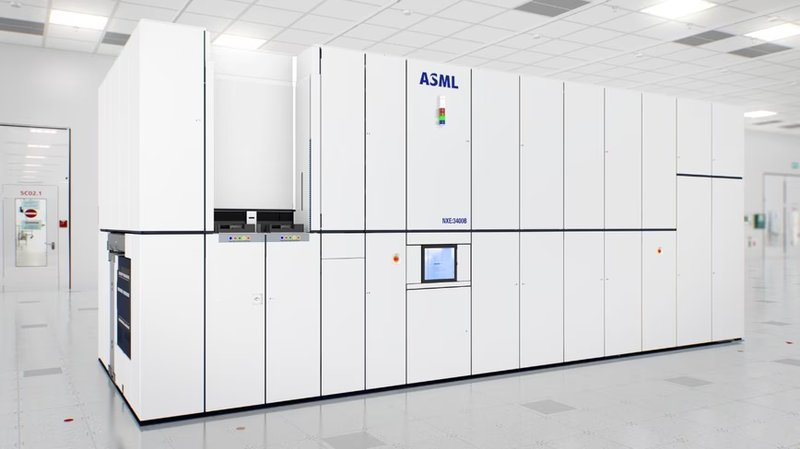
Contemporaneamente, ASML sta intensificando la produzione dei suoi sistemi High NA EUV, la prossima generazione di macchine litografiche. Questa duplice strategia riflette la necessità di bilanciare l'innovazione con la pragmatica gestione della transizione tecnicica, assicurando che l'industria dei semiconduttori possa continuare a evolvere senza interruzioni significative nella capacità produttiva.
Dettagli Tecnici e Implicazioni Strategiche
La litografia EUV è essenziale per incidere circuiti sempre più piccoli e complessi sui wafer di silicio, permettendo la creazione di chip con densità di transistor elevate. I sistemi Low NA EUV rappresentano lo standard attuale per la produzione di massa di chip all'avanguardia, utilizzati in una vasta gamma di dispositivi, dai processori per smartphone alle GPU per data center. L'estensione del loro ciclo di vita operativo fino al 2031 offre ai produttori di semiconduttori una roadmap chiara e prevedibile per gli investimenti e la pianificazione della produzione.
I sistemi High NA EUV, d'altra parte, sono progettati per superare i limiti dei loro predecessori, consentendo la produzione di chip con caratteristiche ancora più fini. L'accelerazione della loro produzione indica una crescente domanda per la tecnicia di prossima generazione, che sarà cruciale per le future generazioni di processori e acceleratori AI. Questa mossa strategica di ASML sottolinea l'importanza di mantenere un equilibrio tra l'ottimizzazione delle tecnicie esistenti e l'adozione rapida delle innovazioni per sostenere la crescita esponenziale della domanda di potenza di calcolo.
Impatto sull'Hardware AI e i Deployment On-Premise
Le decisioni strategiche di ASML hanno un impatto diretto sulla disponibilità e sulle capacità dell'hardware che alimenta i carichi di lavoro di intelligenza artificiale, in particolare i Large Language Models (LLM). La capacità di produrre chip più densi e performanti si traduce in GPU con maggiore VRAM, maggiore throughput e minore latenza, fattori critici per l'Inference e il training di LLM su larga scala. Per CTO, DevOps lead e architetti di infrastruttura che valutano deployment on-premise, la disponibilità di hardware all'avanguardia è un elemento chiave nel calcolo del Total Cost of Ownership (TCO).
L'accesso a silicio di ultima generazione è fondamentale per costruire infrastrutture self-hosted che possano competere con le offerte cloud in termini di prestazioni e scalabilità, garantendo al contempo la sovranità dei dati e il controllo completo sull'ambiente. La roadmap di ASML influenza direttamente la capacità delle aziende di investire in soluzioni bare metal o air-gapped, essenziali per settori con stringenti requisiti di compliance e sicurezza. Per chi valuta deployment on-premise, AI-RADAR offre framework analitici su /llm-onpremise per valutare i trade-off tra costi iniziali, operativi e benefici a lungo termine.
Prospettive Future e Trade-off Tecnologici
La continua evoluzione della litografia EUV è un motore inarrestabile per l'innovazione nel settore dei semiconduttori. L'impegno di ASML sia per la longevità del Low NA EUV che per l'accelerazione del High NA EUV evidenzia i complessi trade-off che l'industria deve affrontare. Da un lato, la necessità di ammortizzare gli investimenti massicci nelle tecnicie esistenti; dall'altro, l'imperativo di spingere i confini della fisica per soddisfare la domanda insaziabile di potenza di calcolo.
Queste dinamiche di produzione a monte si riflettono a valle sulle scelte tecniciche e infrastrutturali delle aziende. La disponibilità di chip sempre più potenti e efficienti apre nuove possibilità per l'ottimizzazione dei modelli LLM, la Quantization e l'efficienza dell'Inference. Tuttavia, richiede anche un'attenta pianificazione degli investimenti in infrastrutture, considerando non solo le prestazioni ma anche il TCO, il consumo energetico e la sostenibilità a lungo termine delle soluzioni self-hosted.






💬 Commenti (0)
🔒 Accedi o registrati per commentare gli articoli.
Nessun commento ancora. Sii il primo a commentare!