Soaring Storage Costs: A Reflection of the AI Chip Shortage
The market for memory cards and flash drives is facing an unprecedented surge in prices. Analysis indicates an average increase of 124%, with some products experiencing peaks of up to 261%. This trend, projected from 2025, is directly linked to the growing shortage of chips dedicated to artificial intelligence, a factor that is redefining the dynamics of the global technology supply chain.
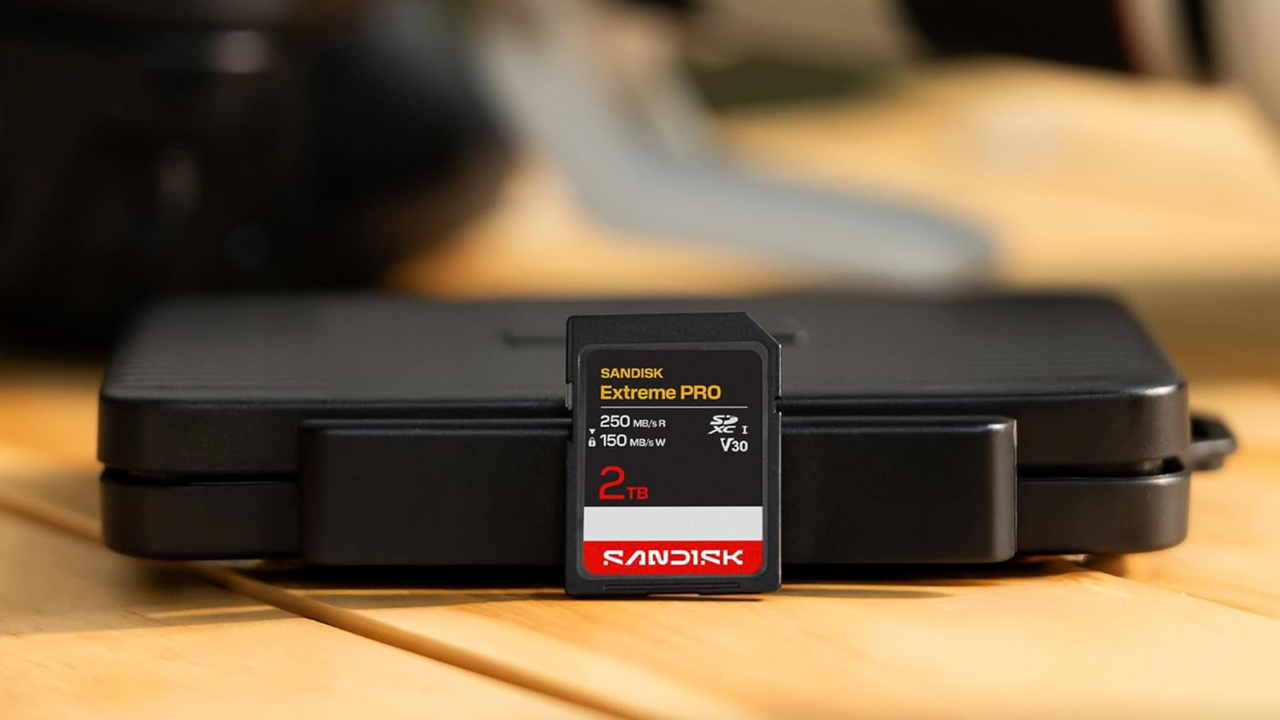
The scarcity of critical components for AI is not limited to the most advanced processors but cascades across a wide range of storage formats and capacities. A concrete example of this dynamic is the 2TB SanDisk Extreme Pro UHS-II SD Card, a high-end product among those affected by these price hikes. The situation highlights how the explosive demand for AI solutions is exerting significant pressure on entire segments of the hardware industry.
The Connection Between AI Chips and Memory Costs
While SD cards and flash drives are not primary components for Large Language Model (LLM) inference or training, their underlying technology, NAND flash memory, is ubiquitous in the AI ecosystem. Data centers and on-premise infrastructures supporting AI workloads require massive amounts of high-speed storage for datasets, model checkpoints, and inference results. The same flash technology is employed in enterprise-grade SSDs, which are crucial for I/O performance in AI environments.
The shortage of AI chips, particularly GPUs and NPUs, not only drives up the prices of these processors but also creates competition for silicio manufacturing resources and auxiliary components. This includes memory controllers and NAND chips, whose demand is amplified by the need to build complete AI systems. The ripple effect manifests as cost increases affecting both consumer and professional products, influencing procurement planning across all sectors.
Implications for On-Premise Deployments and TCO
For CTOs, DevOps leads, and infrastructure architects evaluating on-premise deployments of LLMs and other AI applications, the rising cost of storage represents a critical variable in calculating the Total Cost of Ownership (TCO). Reliance on self-hosted infrastructures, often necessary for data sovereignty, compliance, or air-gapped environments, makes these organizations particularly exposed to hardware price fluctuations.
The increased cost for high-capacity and high-performance storage units directly impacts CapEx for expanding or building new data centers. Furthermore, storage lifecycle management, including replacing obsolete units or adding capacity, will see an increase in OpEx. This scenario demands strategic planning and careful evaluation of trade-offs between performance, capacity, and cost to maintain competitiveness and operational efficiency. For those evaluating on-premise deployments, AI-RADAR offers analytical frameworks on /llm-onpremise to assess these trade-offs.
Future Outlook and Mitigation Strategies
The projection of these increases starting from 2025 suggests that the pressure on the AI-related supply chain is set to persist and potentially intensify. Companies will need to consider proactive strategies to mitigate the impact, such as diversifying suppliers, optimizing storage utilization through compression and deduplication techniques, or exploring hybrid storage solutions that balance cost and performance.
In a rapidly evolving technological landscape, where the demand for computational and storage capacity for AI continues to grow exponentially, understanding market dynamics and their cascading effects is crucial. The AI chip shortage is not just a matter of processors but a phenomenon reshaping the entire hardware economy, with direct repercussions on the costs and feasibility of long-term AI projects.







💬 Comments (0)
🔒 Log in or register to comment on articles.
No comments yet. Be the first to comment!