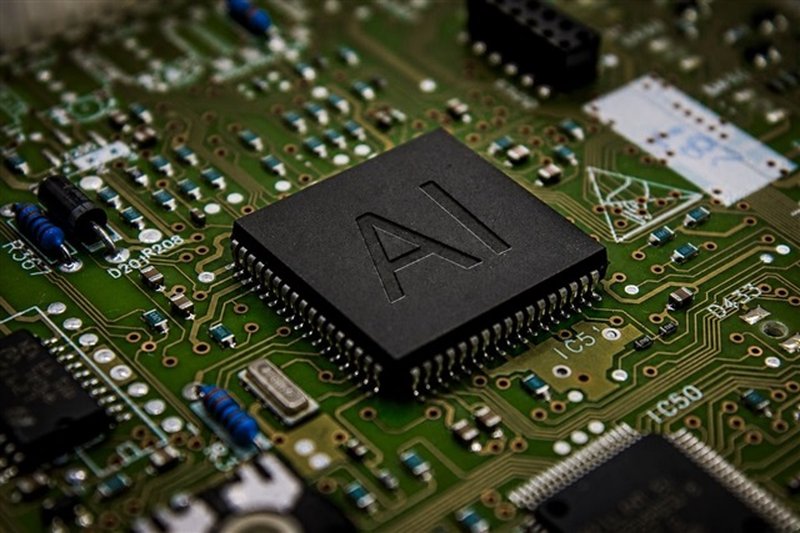
Non passa giorno senza che il nodo della potenza di calcolo per l’intelligenza artificiale non si infittisca. L’ultimo segnale arriva da ByteDance: secondo fonti vicine al dossier, la casa madre di TikTok avrebbe avviato ordini di chip AI direttamente a Iluvatar CoreX, azienda cinese finora ai margini del mercato dominato da NVIDIA. Per il produttore si tratta di una legittimazione cruciale, capace di proiettarlo in una partita dove la posta in gioco è la sovranità tecnicica di Pechino.
Lo scenario: embargo e fame di GPU
Le restrizioni statunitensi all’export di semiconduttori avanzati hanno creato un vuoto che i produttori locali stanno cercando di colmare in fretta. ByteDance, come altri colossi tech cinesi, ha bisogno di potenza computazionale su scala gigantesca per addestrare e servire i propri modelli, dal motore di raccomandazione di Douyin (la versione cinese di TikTok) agli LLM interni. Ordinare da un fornitore domestico non è solo una questione di costi o disponibilità: è una scelta strategica per ridurre la dipendenza da una filiera sottoposta a controlli geopolitici. In questo senso, la notizia certifica che l’ecosistema hardware cinese ha raggiunto una maturità sufficiente per attrarre un cliente di primo piano.
Il fattore software: oltre l’hardware
Le incognite restano ancora molte, a partire dallo stack software. NVIDIA non è solo un produttore di silicio: è un fornitore di piattaforma. La barriera competitiva più alta, infatti, si chiama CUDA, l’ambiente di programmazione parallela che innerva la quasi totalità dei framework di deep learning. Qualunque alternativa – che arrivi da Iluvatar CoreX, da Biren Technology o da altre proposte emergenti – deve offrire compatibilità, tooling e performance per l’inference che convincano sviluppatori e architetti di sistema. Senza un ecosistema software maturo, anche il chip più potente rischia di restare inutilizzato nei data center on-premise, dove l’integrazione deve essere robusta e certificata.
Per chi valuta deployment on-premise
La vicenda interessa da vicino le organizzazioni che stanno costruendo stack AI locali. L’arrivo di attori non NVIDIA amplia il ventaglio di opzioni per chi punta su self-hosted, ma introduce complessità: valutare le prestazioni in carichi di lavoro misti, la compatibilità con pipeline di fine-tuning e quantization, e il TCO reale di un cluster non tradizionale sono passaggi che richiedono metriche consolidate. AI-RADAR ha esplorato in diverse occasioni come il panorama on-premise sia in rapida evoluzione, con soluzioni che spaziano dal bare metal all’hybrid. La prospettiva che chip cinesi come quelli di Iluvatar CoreX entrino nei circuiti di approvvigionamento non fa che accelerare questa diversificazione.
Cosa cambia adesso
Il presunto ordine di ByteDance è un banco di prova. Se i chip consegneranno le performance promesse in produzione, Iluvatar CoreX potrebbe uscire dalla nicchia e contendere quote a fornitori più noti, almeno nel mercato domestico cinese. Per l’Europa e per le aziende che guardano alla conformità GDPR e alla residenza dei dati, la nascita di alternative credibili al di fuori dell’asse USA-Cina rimane un tema da monitorare. La domanda, oggi, non è se la frammentazione della supply chain accelererà, ma con quali garanzie di interoperabilità e continuità operativa.




💬 Commenti (0)
🔒 Accedi o registrati per commentare gli articoli.
Nessun commento ancora. Sii il primo a commentare!