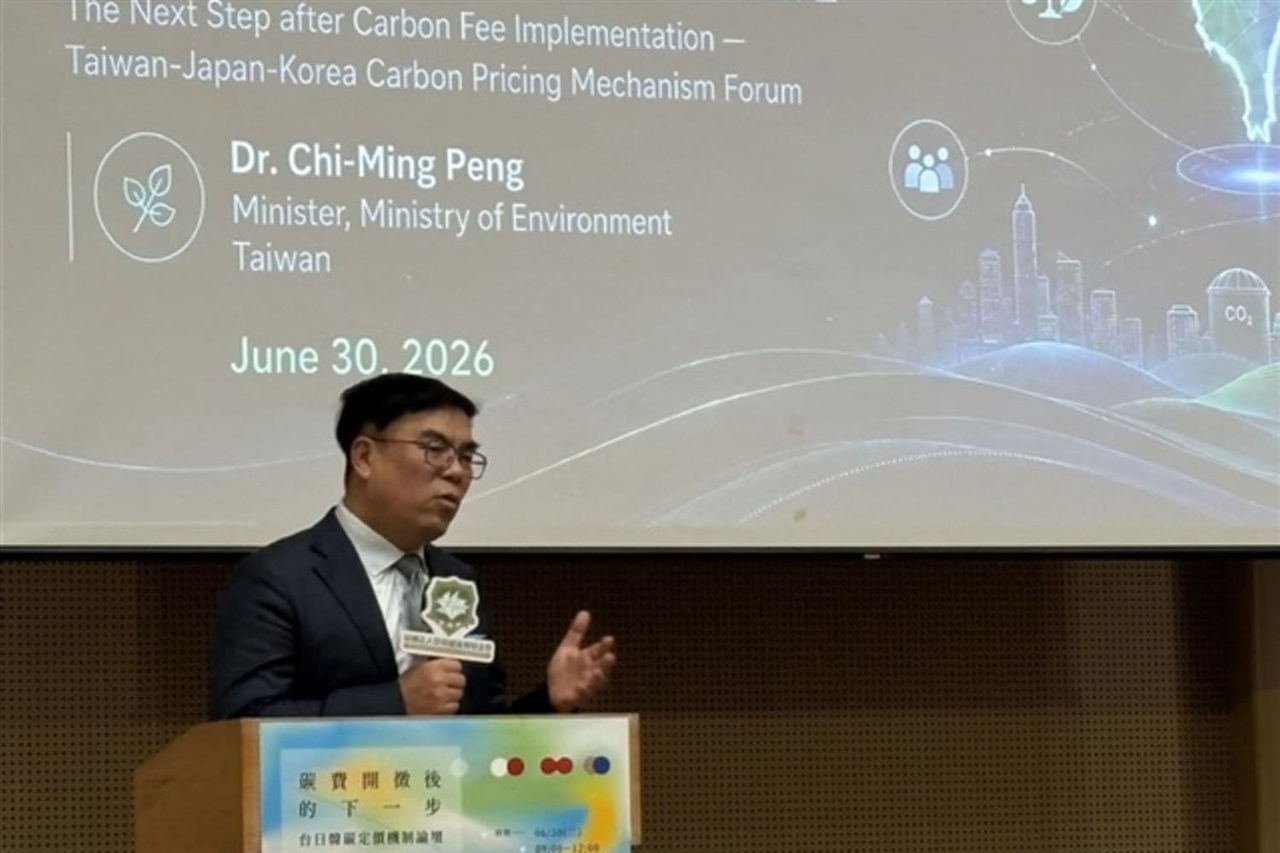
It’s no secret that chip manufacturing is energy-hungry and carries a hefty carbon footprint. But now, with Taiwan’s carbon fee taking effect, that reality becomes a concrete line item on foundry balance sheets. Taiwan has begun collecting a levy on CO₂ emissions, and the largest bills are landing squarely on semiconductor firms.
The measure arrives just as demand for advanced silicon – GPUs, LLM accelerators, HBM memory – reaches unprecedented levels. The implications for those designing on-premise AI infrastructure extend far beyond sustainability: these costs could quickly translate into higher hardware prices and tighter supply availability.
The carbon fee and the chipmaking giant
The exact structure of the tax is still being refined, but the principle is clear: companies are being charged based on the emissions generated by their manufacturing processes. Chip fabs, concentrated around Hsinchu and the southern science park, run around the clock with lithography tools that consume massive amounts of electricity and water, while releasing greenhouse gases such as perfluorocarbons.
Taiwan houses the bulk of the world’s advanced foundry capacity. That means virtually every GPU used for LLM training or inference – whether housed in corporate datacenters, air-gapped environments, or bare-metal deployments – passes through its gates. When the planet’s most critical manufacturing base faces a new fiscal burden, the effect is systemic.
Energy and silicon: the hidden cost inside each GPU
Discussions often focus on operational consumption: how many kilowatts it takes to run Llama 3 or Mistral for on-prem inference, the TCO implications of different quantization levels. Yet the embedded carbon footprint of the hardware itself has remained largely off the radar in most procurement decisions.
With the carbon fee, the cost of energy and emissions during fabrication starts to surface transparently. A portion of that cost will inevitably trickle down into the pricing of next-generation cards and the already tight allocations for advanced packaging. For teams planning on-prem clusters, this scenario could mean higher acquisition budgets or longer lead times.
Beyond price: supply chain, data sovereignty, and hardware constraints
There is another layer worth watching. If the carbon fee is coupled with stricter environmental measures, Taiwan’s government could push for energy diversification or even cap production volumes during certain periods. In an already fragile ecosystem – consider the turbulence tied to dependency on a single advanced lithography supplier – every new constraint introduces continuity risks.
For those prioritizing on-prem deployments for data sovereignty or GDPR compliance, reliable hardware availability is the foundational prerequisite. A thorough supply chain analysis becomes an integral part of evaluating TCO and the very feasibility of self-hosted projects. AI-RADAR examines precisely these trade-offs, connecting geographic dependencies, energy costs, and local infrastructure strategies.
Outlook: when environmental and operational sustainability collide
Taiwan’s carbon fee may trigger a rethink in hardware selection criteria. Those setting up on-prem datacenters will begin to factor in, alongside VRAM, bandwidth, and operational TCO, the embodied carbon of components. This pressure, combined with European and American incentives for cleaner manufacturing, could accelerate investment in more efficient packaging or chiplet architectures that reduce silicon waste.
In the short term, however, AI GPU prices are likely to remain elevated and supply lead times won’t shorten. The carbon fee is just one piece of an already complex puzzle, but it turns a previously externalized environmental cost into a tangible one. Those serious about on-prem AI would do well to bake it into their planning models.








💬 Comments (0)
🔒 Log in or register to comment on articles.
No comments yet. Be the first to comment!