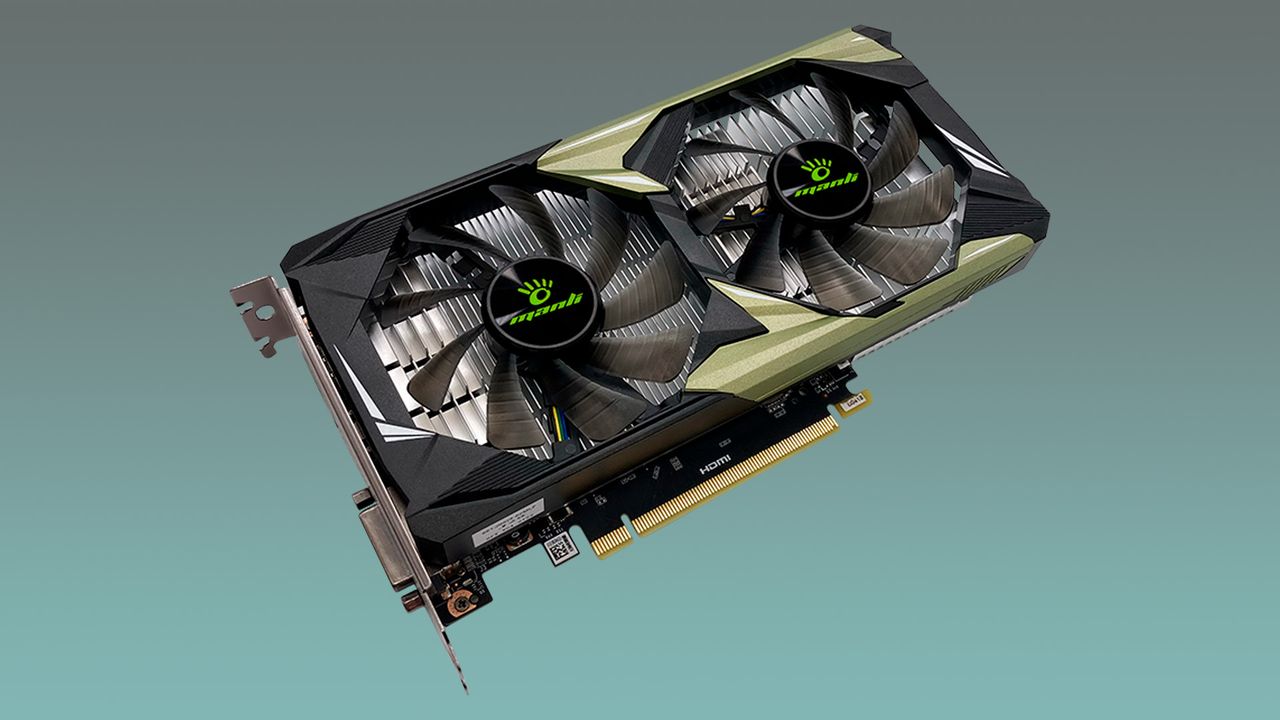
VRAM Shortage and the Return of Previous Generation GPUs
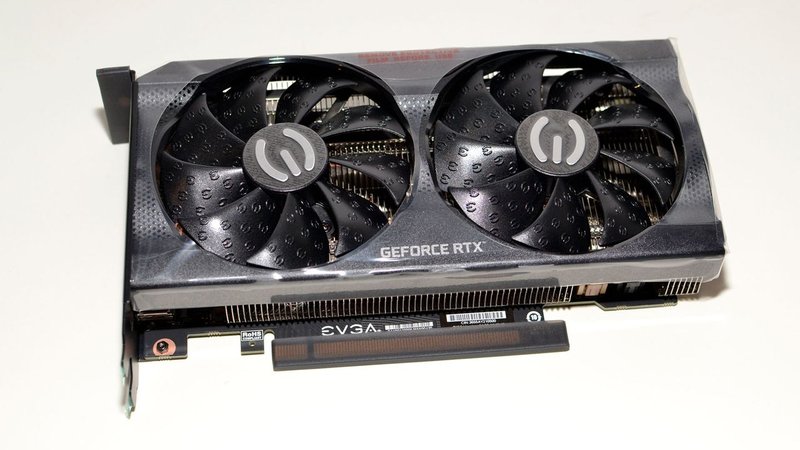
The hardware market for artificial intelligence is constantly evolving, but it is not immune to supply and demand dynamics that can alter its balance. A recent trend highlights a significant scarcity of video memory (VRAM), a critical component for processing intensive workloads such as those related to Large Language Models (LLMs). This shortage is compelling GPU vendors to reintroduce graphics cards from 2020, such as the GeForce RTX 3060 and GeForce RTX 3050, to the market, particularly in Asia.
While this move might seem like a temporary solution to meet unmet demand, it raises important considerations for organizations evaluating deployment strategies for their LLMs. The availability of hardware, even if from previous generations, becomes a key factor in infrastructure planning, especially for those aiming to maintain control over their data through on-premise solutions.
The Crucial Role of VRAM for Large Language Models
VRAM is a fundamental element for the efficient execution of LLMs, both during training and inference phases. The size of models, measured in billions of parameters, directly translates into memory requirements. Larger models demand more VRAM to be loaded and processed, especially when handling extended contexts or high batch sizes. Cards with limited VRAM capacity may necessitate more aggressive optimization techniques, such as lower-level quantization (e.g., INT4 or INT8), or reducing batch sizes, directly impacting throughput and latency.
Previous generation GPUs, like the RTX 3060 and 3050, while suitable for many graphics workloads, offer lower VRAM capacities compared to the latest generation accelerators specifically designed for AI, such as the NVIDIA H100 or A100 series. This technical gap mandates a careful evaluation of expected performance and the necessary compromises when considering these hardware options for demanding LLM workloads.
Implications for On-Premise Deployments and TCO
For CTOs, DevOps leads, and infrastructure architects who prioritize on-premise deployments for data sovereignty, compliance, or security in air-gapped environments, hardware availability is a primary constraint. The reintroduction of older GPUs can offer an alternative amidst the scarcity of top-tier models, but it requires a thorough analysis of the Total Cost of Ownership (TCO). A potentially lower initial CapEx for purchasing older generation cards might be offset by higher OpEx in the long run, due to lower energy efficiency, reduced performance per token per second, or a shorter useful life for intensive AI workloads.
On-premise deployment decisions must balance initial CapEx with ongoing OpEx, considering factors such as power consumption, cooling requirements, and scalability needs. Utilizing less performant hardware might necessitate a larger number of units to achieve the same throughput as fewer latest-generation GPUs, complicating infrastructure management and increasing overall costs.
Outlook and Challenges for Hardware Strategies
The current hardware market dynamic underscores the importance of a flexible and informed procurement strategy for companies investing in LLMs. The choice between awaiting new supplies of cutting-edge GPUs and adopting available older-generation solutions requires a clear understanding of the trade-offs in terms of performance, TCO, and scalability. There is no universal solution; the decision depends on specific workload requirements, budget, and business objectives.
For those evaluating on-premise deployments, it is crucial to carefully analyze concrete hardware specifications, such as available VRAM, expected throughput, and latency, in relation to the requirements of the LLM models to be run. AI-RADAR offers analytical frameworks on /llm-onpremise to evaluate these trade-offs, supporting strategic decisions on AI infrastructure, without recommending specific solutions but providing the tools for an informed choice.








💬 Comments (0)
🔒 Log in or register to comment on articles.
No comments yet. Be the first to comment!