Undersea Cable Disruption Between Egypt and Syria: A Warning for Digital Infrastructure
A significant outage has affected a vital undersea cable, which provides connectivity between Egypt and Syria. The incident, whose nature is still under investigation, has immediately raised concerns about the stability of communications in the region. Authorities in Damascus promptly attributed the damage to a "systematic sabotage campaign," suggesting a deliberate action behind the disruption.
This event underscores the fragility of global digital infrastructures, often invisible but fundamental to the daily functioning of economies and services. Undersea cables are the main arteries of the global internet network, carrying almost all international data traffic. Their vulnerability to accidental damage or, as in this case, alleged acts of sabotage, can have cascading repercussions far beyond the directly affected region.
The Undersea Network: Backbone of Global Connectivity
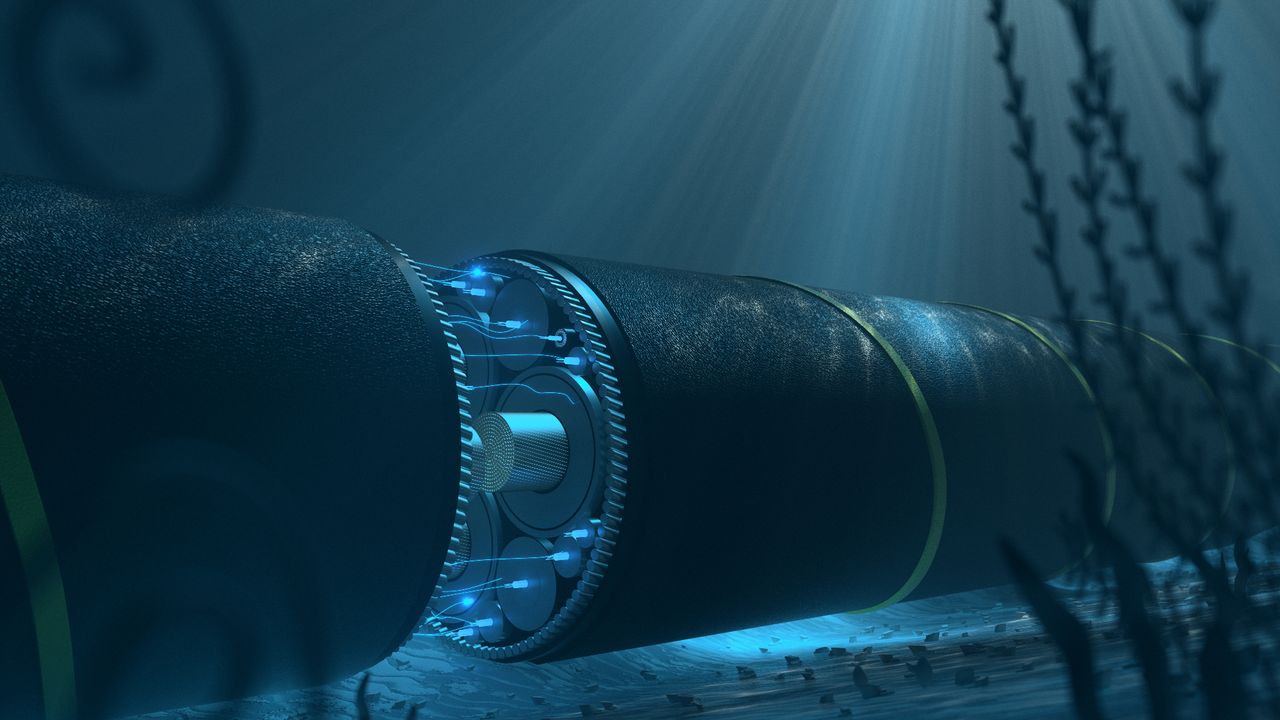
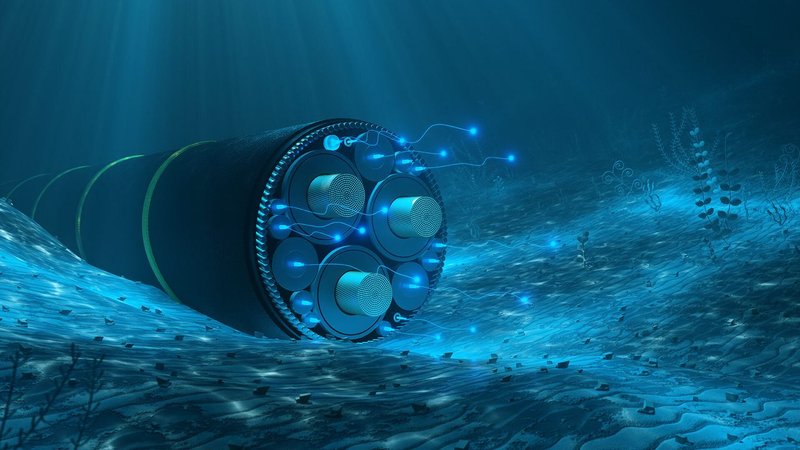
The network of undersea cables represents the backbone of global connectivity, a complex and expensive infrastructure that crosses oceans and seas to connect continents. These cables, often as thick as a garden hose and protected by multiple layers, are nonetheless exposed to natural risks such as earthquakes, underwater landslides, and fishing activities, in addition to potential vandalism or sabotage. A single point of failure can compromise data flow for millions of users and businesses.
For organizations managing intensive workloads such as those related to Large Language Models (LLM), stable connectivity is a non-negotiable requirement. Whether accessing datasets for training, deploying updated models, or handling Inference requests from remote endpoints, a reliable network is essential. The disruption of an undersea cable can result in high latency, packet loss, or, in the most severe cases, a complete disconnection, with direct impacts on operational continuity and the performance of AI systems.
Implications for AI Deployments: Resilience and Data Sovereignty
The Egypt-Syria cable incident serves as a warning for CTOs, DevOps leads, and infrastructure architects evaluating AI Deployment strategies. Reliance on external network infrastructure, even for self-hosted Deployments that require updates or integrations with external services, exposes significant risks. Data sovereignty, a central theme for AI-RADAR, concerns not only where data is stored and processed but also how it travels and through which jurisdictions. A physical outage can compromise the ability to maintain control over data flows, with implications for compliance and security.
To mitigate such risks, companies must consider advanced resilience strategies. This includes diversifying network paths, adopting multi-cloud or hybrid architectures with failover capabilities, and planning for disaster recovery scenarios that account for large-scale outages. For the most critical workloads, the option of air-gapped or self-hosted Deployments with minimal external dependencies can become a strategic choice to ensure operational continuity and the protection of sensitive data, reducing the attack surface and vulnerability to external events.
Future Outlook: Investing in Infrastructure Robustness
The incident in the Middle East reinforces the need to invest in robust and resilient digital infrastructures. In an increasingly complex geopolitical landscape, the protection of communication networks becomes a strategic priority not only for governments but also for businesses that depend on them. Planning for the operational continuity of AI systems must extend beyond the mere availability of hardware and software, embracing the solidity of the entire value chain, including global connectivity.
For those evaluating on-premise Deployments, analytical Frameworks are available on AI-RADAR to assess the trade-offs between control, security, and infrastructural resilience. The ability to operate in scenarios of limited or compromised connectivity, while maintaining sovereignty over one's data and models, represents a significant competitive advantage. The lesson from the Egypt-Syria cable is clear: resilience is not an option, but a fundamental pillar for the future of AI innovation.







💬 Comments (0)
🔒 Log in or register to comment on articles.
No comments yet. Be the first to comment!