
Meta sotto pressione per gli occhiali AI: allarme riconoscimento facciale
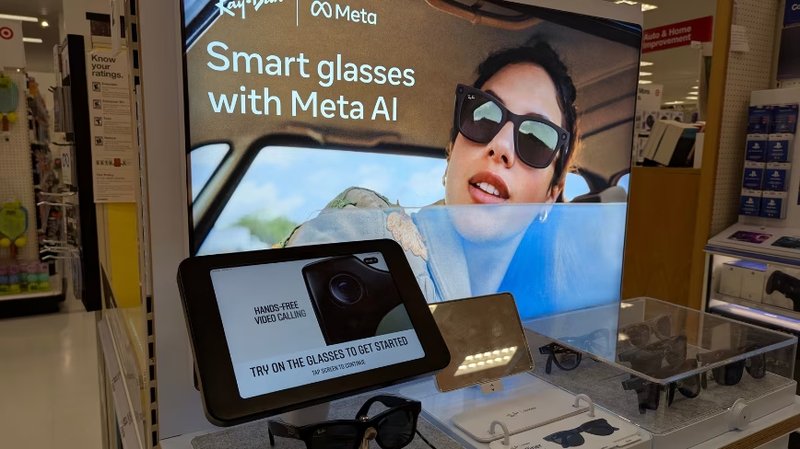
Meta si trova al centro di un acceso dibattito etico e di privacy a seguito delle preoccupazioni sollevate da oltre 70 organizzazioni. Il fulcro della discussione sono gli occhiali smart con funzionalità di riconoscimento facciale basate su intelligenza artificiale, un prodotto che, secondo le associazioni, potrebbe comportare rischi significativi per la sicurezza e la privacy degli utenti. La questione evidenzia le sfide intrinseche nello sviluppo e nel rilascio di tecnicie AI con implicazioni così profonde sulla vita quotidiana delle persone.
Tra le voci più autorevoli che hanno espresso il loro allarme figurano l'American Civil Liberties Union (ACLU), l'Electronic Privacy Information Center (EPIC) e Fight for the Future. Queste organizzazioni, da tempo impegnate nella tutela dei diritti digitali e della privacy, hanno unito le forze per chiedere a Meta di riconsiderare l'integrazione di tale funzionalità. Il loro monito sottolinea la necessità di un approccio più cauto e responsabile nello sviluppo di tecnicie che possono facilmente essere utilizzate in modi non previsti o dannosi.
Le preoccupazioni delle organizzazioni per la sicurezza
Il cuore delle obiezioni sollevate dalle oltre 70 organizzazioni risiede nel potenziale abuso della tecnicia di riconoscimento facciale. Nello specifico, il timore è che questa funzionalità possa "armare" predatori sessuali, mettendo in pericolo vittime di abusi, immigrati e persone appartenenti alla comunità LGBTQ+. La capacità di identificare e tracciare individui senza il loro consenso, o addirittura a loro insaputa, solleva gravi questioni etiche e di sicurezza.
Per le vittime di abusi, la possibilità di essere identificate e localizzate tramite occhiali smart potrebbe compromettere la loro sicurezza e la loro capacità di sfuggire a situazioni pericolose. Allo stesso modo, gli immigrati e le persone LGBTQ+ potrebbero affrontare rischi accresciuti di sorveglianza, discriminazione o persecuzione in contesti in cui la loro identità o presenza potrebbe essere oggetto di pregiudizio. Le organizzazioni sottolineano come la tecnicia, sebbene concepita per scopi diversi, possa essere facilmente deviata per usi malevoli, con conseguenze devastanti per le fasce più vulnerabili della popolazione.
Implicazioni tecniche e di deployment per dati sensibili
L'integrazione del riconoscimento facciale in dispositivi di consumo come gli occhiali smart solleva questioni complesse non solo a livello etico, ma anche sul piano tecnico e di deployment. La gestione di dati biometrici così sensibili richiede infrastrutture estremamente robuste e sicure. Le aziende che sviluppano tali funzionalità devono affrontare la sfida di proteggere le informazioni personali da accessi non autorizzati, violazioni e usi impropri. Questo implica decisioni cruciali riguardo a dove e come questi dati vengono elaborati e archiviati.
Per le organizzazioni che valutano l'adozione o lo sviluppo di soluzioni AI che coinvolgono dati sensibili, la scelta tra deployment on-premise e cloud diventa fondamentale. Un approccio self-hosted o air-gapped può offrire un maggiore controllo sulla sovranità dei dati, sulla compliance normativa (come il GDPR) e sulla sicurezza, riducendo i rischi associati alla dipendenza da fornitori terzi. Tuttavia, ciò comporta anche un TCO più elevato in termini di CapEx per l'hardware (server, storage, GPU) e OpEx per la gestione e la manutenzione dell'infrastruttura. La necessità di garantire l'integrità e la riservatezza dei dati è un vincolo primario che influenza l'intera pipeline di sviluppo e rilascio di queste tecnicie.
Prospettive future e il dibattito etico sull'AI
Il caso degli occhiali smart di Meta è emblematico di un dibattito più ampio che sta attraversando l'intero settore tecnicico: come bilanciare l'innovazione con la responsabilità etica e la protezione dei diritti individuali. Mentre le capacità degli LLM e di altre forme di intelligenza artificiale continuano a evolversi rapidamente, cresce anche la consapevolezza dei potenziali rischi e delle implicazioni sociali di queste tecnicie. Le aziende si trovano sempre più sotto la lente d'ingrandimento di governi, organizzazioni della società civile e del pubblico.
La pressione esercitata su Meta da queste oltre 70 organizzazioni serve da monito per l'intero ecosistema tech. Sottolinea l'importanza di un'attenta valutazione dei trade-off prima del deployment di funzionalità AI che toccano aspetti così delicati come la privacy e la sicurezza personale. AI-RADAR, nel suo ruolo di osservatorio neutrale, continua a monitorare questi sviluppi, fornendo analisi sui vincoli e le opportunità legate all'implementazione di soluzioni AI, con un focus particolare sulle architetture che privilegiano il controllo e la sovranità dei dati, aspetti sempre più cruciali in un panorama tecnicico in rapida evoluzione.








💬 Commenti (0)
🔒 Accedi o registrati per commentare gli articoli.
Nessun commento ancora. Sii il primo a commentare!