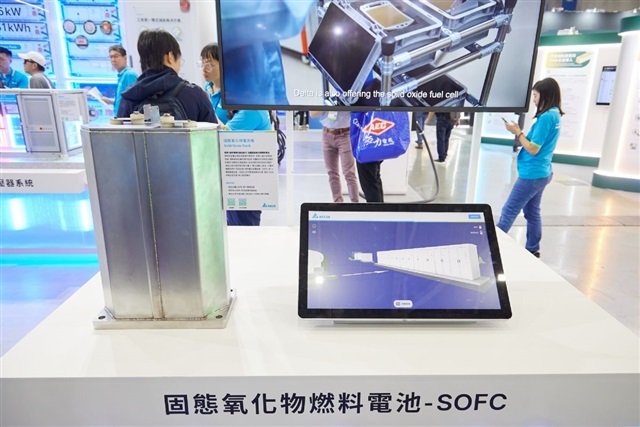
The energy hunger of AI workloads is pushing data centers beyond the limits of the traditional power grid. The latest piece of this metamorphosis comes from solid oxide fuel cells (SOFC), which promise unprecedented efficiency and continuity. The news that these units are gaining traction in AI computing centers is not just an engineering update: it signals how hardware for LLMs and on-premise inference are redefining energy infrastructure.
The appeal of SOFC lies in their ability to convert fuel directly into electricity at high temperatures, with efficiency surpassing diesel backup generators and even many turbine systems. In a context where training models with billions of parameters requires steady and predictable power, the fuel cell's stability becomes a structural asset, not just a safety net. For operators evaluating on-premise or hybrid deployments, particularly in areas with unstable grids or high energy costs, the pairing of SOFC with specialized GPUs changes the TCO equation: it reduces grid dependency and can accelerate node commissioning times.
Three paths for Taiwan
Entry into the SOFC arena is not linear, but three clear trajectories are emerging for Taiwanese suppliers. The first is precision components: solid oxide cells require ceramic materials, metallic interconnects, and sealing systems that intersect with the island's electronics and metalworking expertise. The second concerns system integration, where the experience gained with servers, VRAM, and cooling solutions can be applied to designing SOFC modules optimized for high-density AI racks. The third, more strategic, touches the supply chain for hydrogen or reformed natural gas — a link that would transform component providers into genuine energy partners.
The reflection on data sovereignty
When energy becomes a deployment factor, the boundary between technical choice and geopolitics blurs. A data center powered on-site with SOFC not only reduces downtime risk but also removes the infrastructure from the regulatory and pricing fluctuations of the national grid. For organizations that must comply with strict data residency requirements, having full control over the electrical flow — from generation to the last processed token — raises the bar for physical and logical security. From this perspective, SOFC technology becomes a silent enabler of digital sovereignty.
The structure of the market changes as much as the technologies that power it. If LLM chips remain the heart, the widespread adoption of fuel cells shifts the center of value toward those who can manage heat, hydrogen, and reliability. For the Taiwanese ecosystem, it's an opportunity to move up the value chain, provided energy is not treated merely as a cost. The real news is not the cell itself, but the fact that the future of on-premise inference speaks the language of kilowatts.





💬 Comments (0)
🔒 Log in or register to comment on articles.
No comments yet. Be the first to comment!