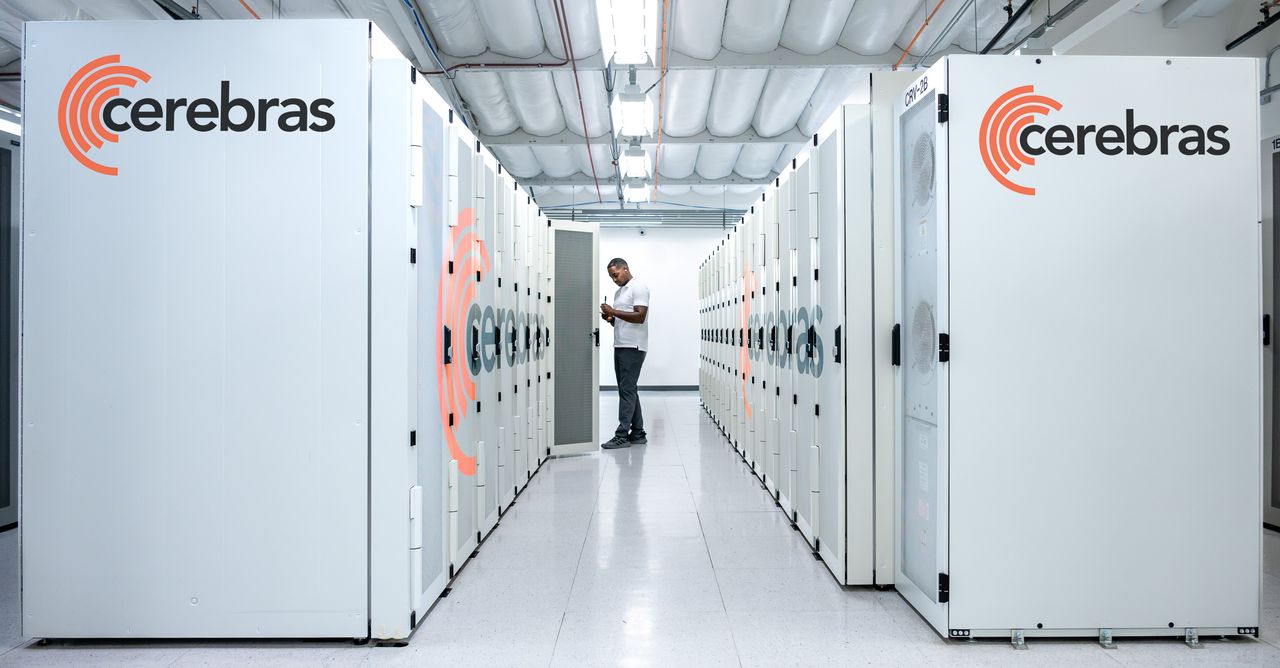
Cerebras si prepara all'IPO tra crescita e sfide finanziarie
Cerebras Systems, attore di spicco nel panorama dell'hardware dedicato all'intelligenza artificiale, ha annunciato il deposito della documentazione per la sua offerta pubblica iniziale (IPO). La notizia giunge in un momento di notevole espansione per l'azienda, che ha registrato una crescita dei ricavi pari a venti volte. Tuttavia, nonostante questo impressionante incremento, Cerebras non ha ancora raggiunto la redditività, evidenziando le sfide intrinseche al settore dello sviluppo di hardware specializzato per l'AI.
Questo passo verso la quotazione in borsa sottolinea la crescente capitalizzazione e l'interesse del mercato per le soluzioni di calcolo ad alte prestazioni, essenziali per l'avanzamento dei Large Language Models (LLM) e di altre applicazioni di intelligenza artificiale. Per i CTO e gli architetti di infrastruttura, la mossa di Cerebras offre uno spaccato sulle dinamiche finanziarie e di mercato che influenzano la disponibilità e lo sviluppo di tecnicie critiche per i deployment on-premise.
Il ruolo di Cerebras Andromeda nell'ecosistema AI
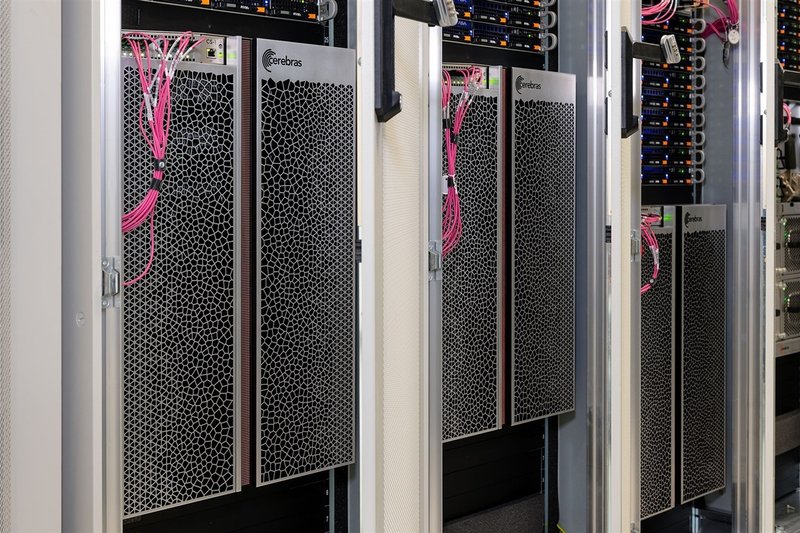
Al centro dell'offerta tecnicica di Cerebras si trova il sistema Andromeda, una piattaforma di calcolo distribuito progettata per affrontare le esigenze di training più complesse dei modelli AI. A differenza delle architetture basate su cluster di GPU tradizionali, Andromeda sfrutta il Wafer-Scale Engine (WSE) di Cerebras, un chip di dimensioni eccezionali che integra milioni di core e una vasta memoria on-chip per massimizzare il throughput e ridurre la latenza nel training di modelli di grandi dimensioni. Questa architettura mira a superare i colli di bottiglia tipici delle interconnessioni tra GPU, offrendo una soluzione monolitica per carichi di lavoro intensivi.
Per le aziende che considerano deployment on-premise, soluzioni come Cerebras Andromeda rappresentano un'opzione per mantenere il controllo completo sui dati e sull'infrastruttura, un aspetto cruciale per la sovranità dei dati e la compliance normativa. La capacità di gestire il training di LLM in ambienti air-gapped o self-hosted è un fattore determinante per settori come la finanza, la sanità e la pubblica amministrazione, dove la sicurezza e la privacy sono priorità assolute. Tuttavia, l'investimento iniziale in hardware specializzato e la sua integrazione in stack locali richiedono un'attenta valutazione del Total Cost of Ownership (TCO) a lungo termine.
Il mercato dell'hardware AI: tra innovazione e capitali intensivi
Il settore dell'hardware per l'intelligenza artificiale è caratterizzato da un'intensa innovazione e da requisiti di capitale significativi. Lo sviluppo di chip e sistemi all'avanguardia, capaci di supportare il training e l'inference di LLM sempre più complessi, comporta costi elevati in ricerca e sviluppo, produzione e commercializzazione. La situazione di Cerebras, che mostra una crescita esponenziale dei ricavi ma non ancora la redditività, riflette le dinamiche di un mercato in rapida evoluzione, dove la scalabilità e l'efficienza sono costantemente messe alla prova.
La competizione è feroce, con giganti tecnicici e numerose startup che si contendono quote di mercato. Per i decision-maker IT, la scelta tra soluzioni basate su GPU standard, acceleratori specializzati o infrastrutture cloud-based implica un'analisi approfondita dei trade-off in termini di performance, costi, flessibilità e controllo. L'emergere di attori come Cerebras evidenzia la domanda di soluzioni alternative che possano offrire vantaggi specifici per carichi di lavoro AI su larga scala, in particolare per chi cerca di ottimizzare le proprie pipeline di sviluppo e deployment on-premise.
Prospettive future e considerazioni per i deployment
L'IPO di Cerebras potrebbe fornire il capitale necessario per accelerare ulteriormente lo sviluppo e l'adozione delle sue tecnicie. Per le organizzazioni che valutano alternative self-hosted vs cloud per i carichi di lavoro AI/LLM, l'evoluzione di aziende come Cerebras è di grande interesse. La possibilità di disporre di hardware progettato specificamente per il training di modelli complessi, con un'enfasi sulla densità di calcolo e sulla larghezza di banda della memoria, può influenzare significativamente le decisioni di deployment.
Per chi valuta deployment on-premise, esistono framework analitici su /llm-onpremise che possono aiutare a valutare i trade-off tra l'investimento iniziale in hardware specializzato e i benefici a lungo termine in termini di TCO, sovranità dei dati e prestazioni prevedibili. La scelta di un'architettura come quella proposta da Cerebras, con la sua enfasi su un'unica unità di calcolo su larga scala, può offrire vantaggi distinti per carichi di lavoro specifici, ma richiede anche una chiara comprensione dei requisiti infrastrutturali e delle competenze necessarie per la gestione e l'ottimizzazione.



💬 Commenti (0)
🔒 Accedi o registrati per commentare gli articoli.
Nessun commento ancora. Sii il primo a commentare!