Cerebras e il Ritorno all'IPO nel Mercato AI
Cerebras Systems, attore di spicco nel panorama dell'hardware per l'intelligenza artificiale, ha annunciato la riattivazione della sua offerta pubblica iniziale (IPO). Questa decisione giunge in un momento di fervente espansione per il settore dell'AI, che sta catalizzando investimenti e innovazione a ritmi sostenuti. La spinta verso la quotazione in borsa sottolinea la fiducia dell'azienda nella propria traiettoria di crescita e nella validità del proprio approccio tecnicico.
Il contesto attuale è caratterizzato da una domanda senza precedenti di capacità di calcolo specializzate, necessarie per l'addestramento e l'Inference di Large Language Models (LLM) e altri modelli di AI complessi. Per aziende come Cerebras, che sviluppano architetture hardware innovative, il boom dell'AI rappresenta un'opportunità unica per consolidare la propria posizione di mercato e finanziare future espansioni.
L'Hardware AI e le Esigenze di Deployment On-Premise
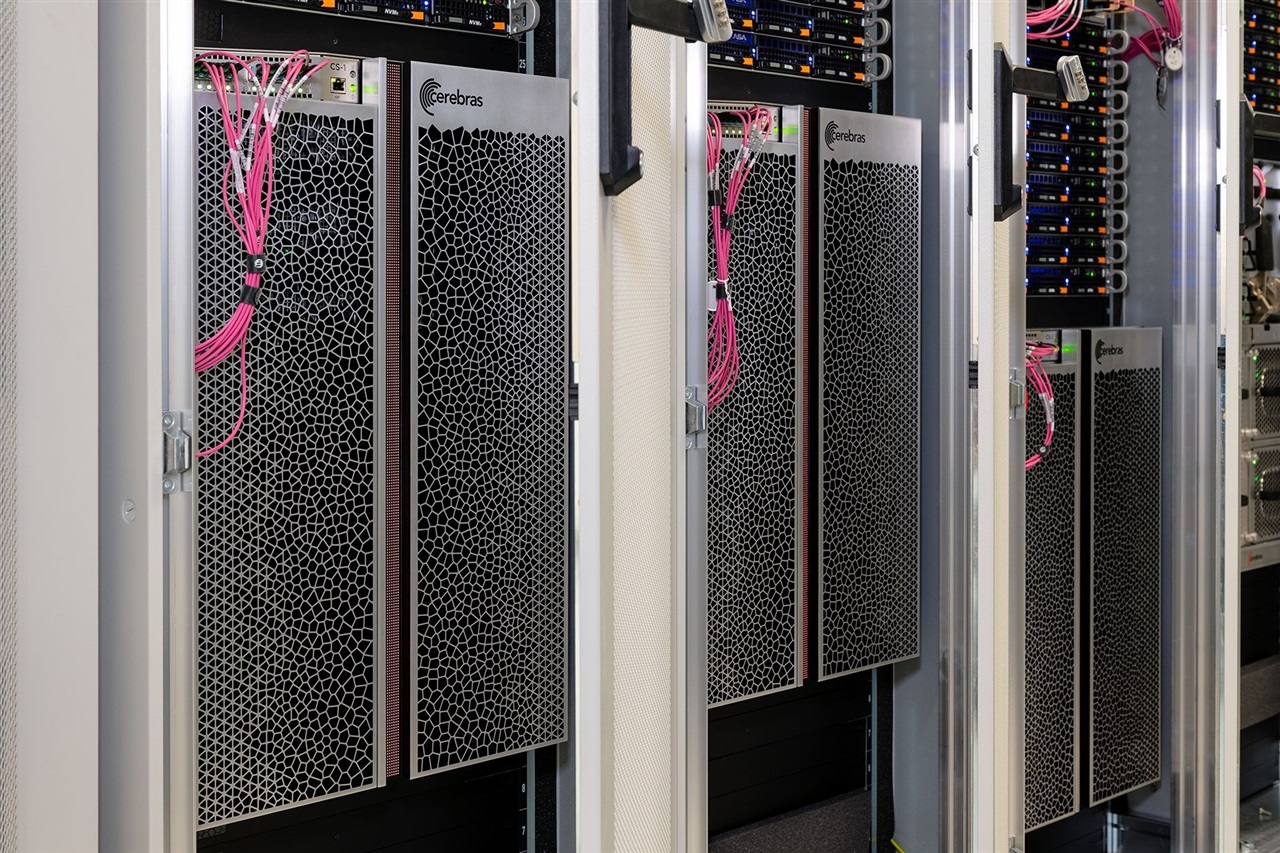
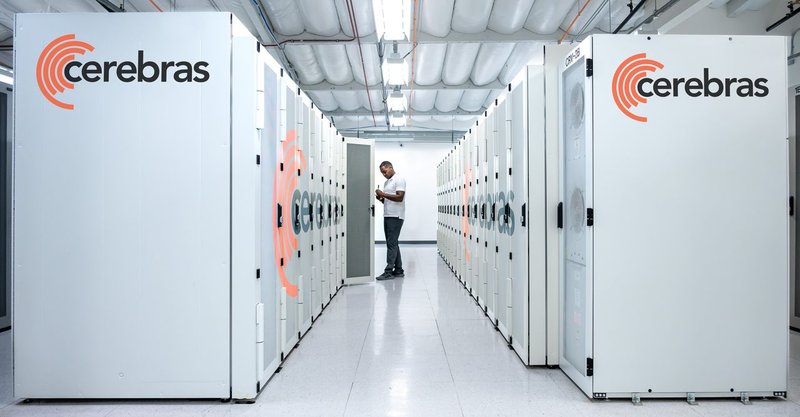
L'offerta di Cerebras si inserisce nel segmento dell'hardware ad alte prestazioni, con i suoi processori Wafer-Scale Engine (WSE) progettati per accelerare drasticamente i carichi di lavoro AI. Questi sistemi sono spesso considerati per deployment on-premise, dove le organizzazioni cercano di mantenere il pieno controllo sui propri dati e sulla propria infrastruttura. La scelta di un'architettura self-hosted offre vantaggi in termini di sovranità dei dati, compliance normativa e sicurezza, aspetti cruciali per settori come la finanza o la sanità.
Tuttavia, il deployment di soluzioni hardware AI su larga scala comporta anche considerazioni significative sul Total Cost of Ownership (TCO). Le aziende devono valutare non solo il CapEx iniziale per l'acquisto del silicio e dell'infrastruttura di supporto, ma anche i costi operativi legati all'energia, al raffreddamento e alla manutenzione. La capacità di gestire carichi di lavoro intensivi con elevato throughput e bassa latenza è un fattore chiave, spesso raggiungibile con configurazioni bare metal ottimizzate.
Crescita, Partnership e l'Ecosistema AI
La crescita di Cerebras è stata alimentata non solo dall'innovazione tecnicica, ma anche da "partnership di alto profilo", come menzionato nella fonte. Nel dinamico ecosistema dell'AI, le collaborazioni strategiche sono fondamentali per integrare soluzioni hardware con stack software, framework e pipeline di sviluppo esistenti. Queste alleanze possono spaziare dalla co-sviluppo di software ottimizzato per l'hardware specifico, alla fornitura di servizi congiunti o all'espansione della base clienti.
Per le aziende che valutano l'adozione di tecnicie AI avanzate, la solidità dell'ecosistema di un vendor hardware è un indicatore importante. Un'ampia rete di partnership può garantire maggiore flessibilità, supporto e interoperabilità, riducendo i rischi associati all'adozione di nuove piattaforme. La capacità di un'azienda di attrarre e mantenere partner di rilievo è spesso un riflesso della sua visione a lungo termine e della sua capacità di innovazione.
Prospettive Future e Decisioni Strategiche per le Aziende
La decisione di Cerebras di procedere con l'IPO segnala una maturazione del mercato dell'hardware AI e un crescente interesse degli investitori per le aziende che offrono alternative ai giganti del settore. Per i CTO, i responsabili DevOps e gli architetti infrastrutturali, l'emergere di nuovi attori e la diversificazione delle opzioni hardware rappresentano un'opportunità per ottimizzare le proprie strategie di deployment AI.
La valutazione tra soluzioni cloud e self-hosted per i carichi di lavoro LLM rimane una decisione complessa, influenzata da fattori come il TCO, i requisiti di performance e le esigenze di sovranità dei dati. AI-RADAR offre framework analitici su /llm-onpremise per aiutare le organizzazioni a navigare questi trade-off, fornendo strumenti per una valutazione informata delle diverse architetture e dei loro impatti operativi e finanziari.





💬 Commenti (0)
🔒 Accedi o registrati per commentare gli articoli.
Nessun commento ancora. Sii il primo a commentare!