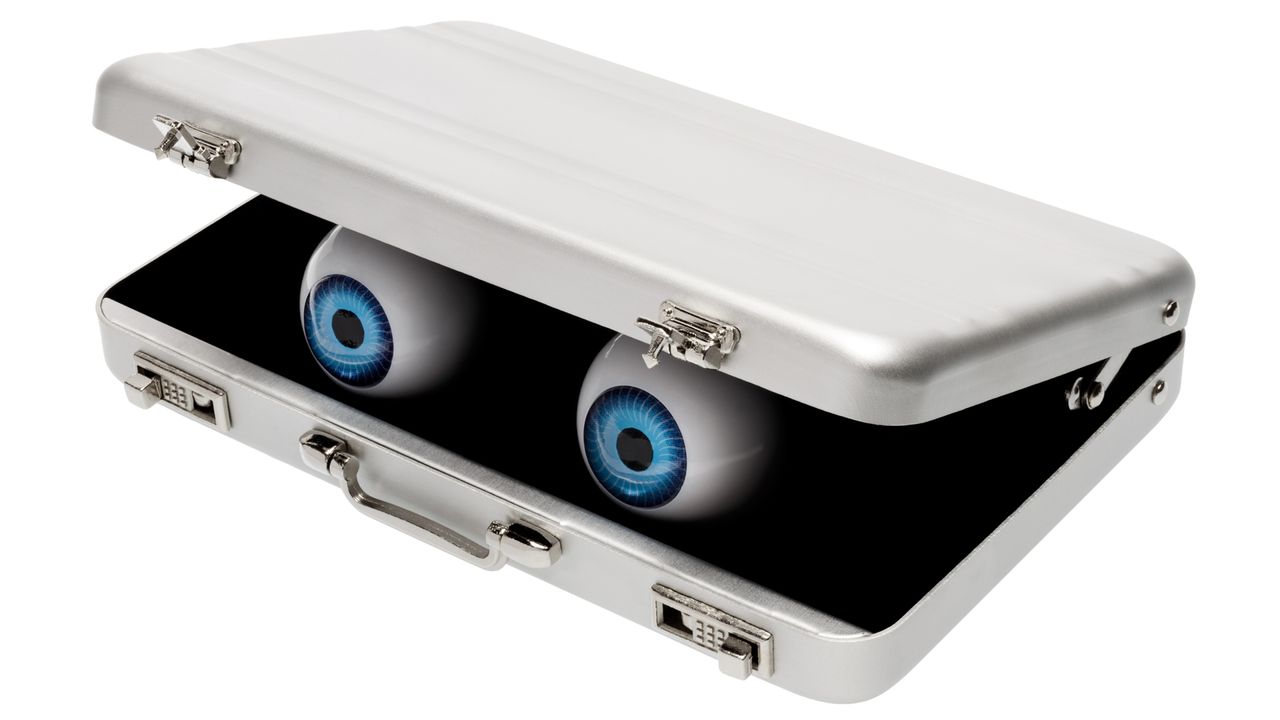
L'AI Portatile: Un Chatbot Locale in Valigia
Un progetto innovativo, denominato "Suitcase Eyes", ha catturato l'attenzione nel panorama dell'intelligenza artificiale, dimostrando le capacità dei sistemi AI completamente locali. Un creatore ha integrato un chatbot AI, caratterizzato da un'interfaccia "googly-eyed" e una personalità "opinionated", all'interno di una valigia mobile. Questa soluzione non è solo un esercizio di stile, ma una dimostrazione concreta di come l'AI possa operare in ambienti disconnessi o con requisiti stringenti di sovranità dei dati.
Il cuore di questo sistema risiede nella sua architettura interamente locale. A differenza dei chatbot che si affidano a servizi cloud remoti per l'elaborazione, "Suitcase Eyes" esegue tutte le operazioni di inference direttamente sul dispositivo. Questo approccio è particolarmente rilevante per le aziende e le organizzazioni che necessitano di mantenere il controllo completo sui propri dati e sulle proprie applicazioni AI, evitando le dipendenze e i potenziali rischi associati al trasferimento di informazioni sensibili verso infrastrutture esterne.
Dettagli Tecnici e Performance
Il progetto si basa su hardware Nvidia Jetson, una piattaforma ampiamente riconosciuta per le sue capacità di elaborazione AI all'edge. I dispositivi Jetson sono progettati per fornire prestazioni elevate in un formato compatto ed efficiente dal punto di vista energetico, rendendoli ideali per applicazioni embedded e mobili. L'integrazione di un Jetson in un sistema portatile come "Suitcase Eyes" sottolinea la versatilità di queste soluzioni per scenari di deployment non convenzionali.
Per quanto riguarda il modello di linguaggio, il chatbot utilizza Gemma 4 E4B, un Large Language Model (LLM) che opera localmente sulla piattaforma Jetson. La scelta di un LLM ottimizzato per l'esecuzione su hardware con risorse limitate è cruciale per ottenere performance adeguate in un contesto edge. Un aspetto distintivo di questo progetto è la sua rapidità di risposta: il sistema è in grado di generare una risposta in soli 200 millisecondi. Questa bassa latenza è un fattore critico per le applicazioni interattive in tempo reale, dove anche brevi ritardi possono compromettere l'esperienza utente o l'efficacia operativa.
Implicazioni per il Deployment On-Premise e all'Edge
Il caso di "Suitcase Eyes" offre spunti significativi per le discussioni sul deployment di LLM on-premise e all'edge. La capacità di eseguire un LLM come Gemma 4 E4B su un dispositivo locale con latenze così ridotte evidenzia il progresso nell'ottimizzazione dei modelli e dell'hardware. Per le aziende, ciò significa la possibilità di implementare soluzioni AI avanzate in contesti dove la connettività è limitata, la sicurezza dei dati è prioritaria o i costi di trasferimento dati verso il cloud sono proibitivi.
Il deployment on-premise o all'edge, come quello dimostrato da questo progetto, permette di affrontare sfide legate alla sovranità dei dati e alla compliance normativa, aspetti sempre più centrali per settori come la finanza, la sanità e la pubblica amministrazione. Inoltre, un'architettura locale può contribuire a ridurre il Total Cost of Ownership (TCO) nel lungo termine, eliminando le spese operative ricorrenti associate ai servizi cloud e offrendo un maggiore controllo sulle risorse hardware e software. Per chi valuta deployment on-premise, AI-RADAR offre framework analitici su /llm-onpremise per valutare i trade-off tra controllo, performance e costi.
Prospettive Future dell'AI Locale
Il progetto "Suitcase Eyes" è un esempio lampante della crescente tendenza verso l'AI locale e all'edge. Man mano che i Large Language Models diventano più efficienti e l'hardware dedicato all'inference, come le piattaforme Nvidia Jetson, continua a evolversi, assisteremo a una proliferazione di applicazioni AI che operano indipendentemente dal cloud. Questo apre nuove frontiere per l'innovazione, consentendo la creazione di sistemi più resilienti, sicuri e reattivi.
La possibilità di avere un'intelligenza artificiale potente e reattiva direttamente sul campo, o all'interno di un'infrastruttura aziendale, trasforma il modo in cui le organizzazioni possono sfruttare queste tecnicie. Non si tratta solo di ridurre la dipendenza dal cloud, ma di abilitare scenari d'uso completamente nuovi, dove la prossimità dell'AI ai dati e agli utenti diventa un vantaggio competitivo cruciale.





💬 Commenti (0)
🔒 Accedi o registrati per commentare gli articoli.
Nessun commento ancora. Sii il primo a commentare!