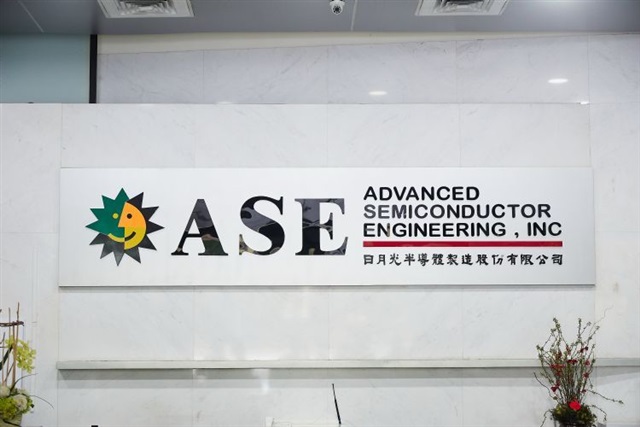
The AI boom is redrawing the power map along the entire semiconductor chain, and this time the pinch point is not just wafer fabrication. Outsourced semiconductor assembly and test (OSAT) providers are gaining unusual bargaining leverage as their order books fill through 2027 on the back of insatiable demand for AI chips. The news, flagged by DIGITIMES, serves as a critical alert for anyone planning an on-premise deployment of large language models.
Advanced packaging as the new battlefront
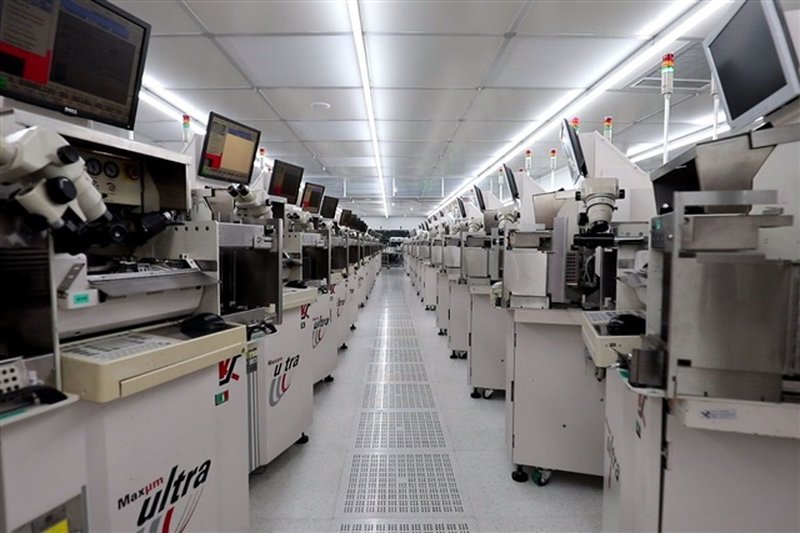
For AI-purpose chips—GPUs, custom accelerators, entire wafer-scale systems—packaging has evolved far beyond a simple logistics step. Technologies such as CoWoS (Chip-on-Wafer-on-Substrate) or silicon bridge substrates deliver interconnect density and memory bandwidth that traditional packaging cannot match. These advanced solutions are essential to keep up with the computational appetite of ever-larger models and the low-latency inference required by many on-premise workloads. The catch is that advanced assembly capacity is concentrated in a handful of players and demands multi-year investments to scale, leaving suppliers with a firm grip on negotiations.
Pricing power and locked-in orders: what it means for hardware buyers
When OSATs can set the terms, the ripple effects travel fast. First, accelerator chip prices tend to rise—or stay elevated well beyond normal technology maturity cycles. Second, lead times stretch: booking a slice of packaging capacity today means committing for years, creating a rigidity that clashes with incremental adoption plans or the elastic scaling that enterprise environments often need. For anyone building an on-premise cluster around next-generation GPUs, a shortage of packaging slots can turn into an entire project delay, forcing compromises on last-gen models or less efficient configurations.
Beyond the card price: supply chain and TCO in on-premise deployments
These dynamics shift the total cost of ownership calculation far beyond a simple hardware list price. When chip availability becomes uncertain and prices stiff, evaluating an on-premise deployment demands that financial models incorporate variables such as the opportunity cost tied to availability windows, the need to sign multi-year purchase commitments, and the risk of accelerated depreciation if supply bottlenecks force organizations to accept whatever the market offers. Data sovereignty and operational control remain the cornerstones of self-hosted choices, but supply chain friction can erode part of the economic advantage over cloud alternatives.
The outlook through 2027: planning with clear eyes
With packaging orders already spanning the next three-year horizon, a rapid easing of tension is unlikely. New advanced assembly lines are under construction, but the complexity of the processes and the need to ramp up matching test capacity make the recovery gradual. For organizations weighing local AI infrastructure, the strategic window suggests moving procurement forward and diversifying silicon suppliers where possible, recognizing that tomorrow’s flexibility will depend on today’s reservation decisions. AI-RADAR’s on-premise deployment section offers analytical frameworks to weigh trade-offs between hardware lock-in, cloud costs, and sovereignty, helping navigate a market where the packaging supply chain has become a front-line variable.







💬 Comments (0)
🔒 Log in or register to comment on articles.
No comments yet. Be the first to comment!