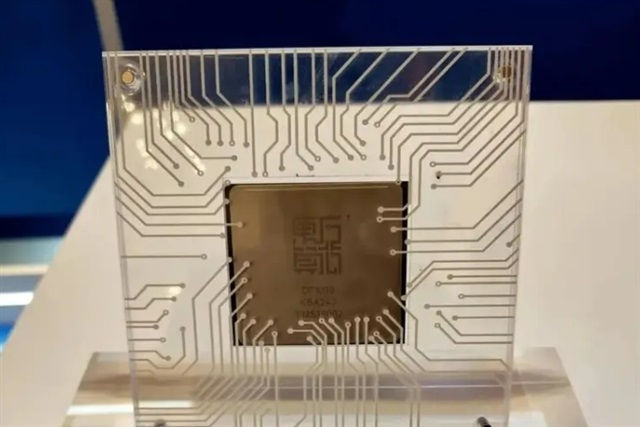
L’annuncio di Orient Computing non arriva con una pioggia di specifiche – il comunicato è scarno, quasi austero – ma il messaggio è chiaro: un chip per AI inciso a 14 nanometri, pensato per fare a meno della memoria HBM. In un panorama dominato dalla corsa ai nodi più avanzati e all’HBM3e, una scelta del genere sembra controcorrente. Eppure, è proprio questa la sua ragion d’essere.
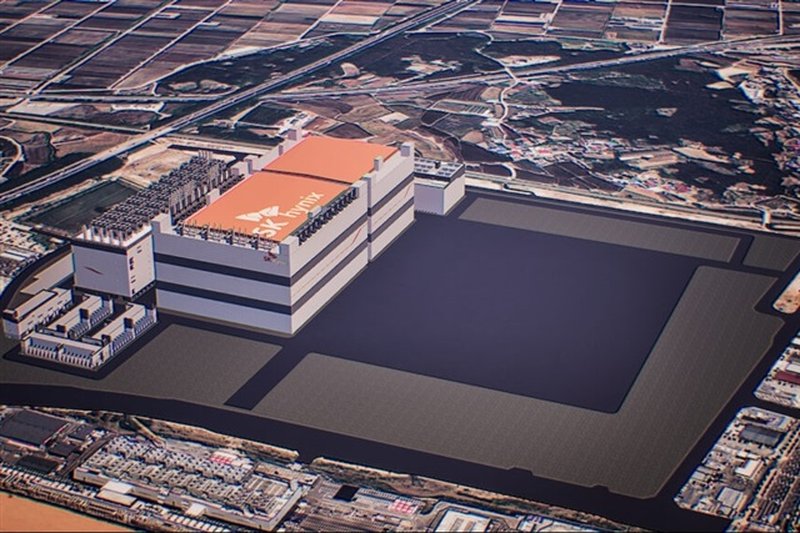
Il nodo a 14 nm è maturo, padroneggiato da fonderie cinesi come SMIC. Significa volumi ottenibili senza dipendere da Taiwan e senza infrangere le barriere erette dai controlli all’esportazione statunitensi. Ma il vero grimaldello è l’architettura “HBM-free”. L’high-bandwidth memory, indispensabile per le GPU da training più spinte, è un collo di bottiglia duplice: costa molto e, soprattutto, è soggetta a restrizioni. Samsung e SK hynix, che la producono, non possono rifornire liberamente la Cina. Saltare l’HBM diventa quindi una necessità strategica, non solo un esercizio di ingegneria.
Per riuscirci, i tecnici probabilmente puntano su cache on-die generose, interconnessioni ad alta velocità verso DRAM convenzionale (DDR5) o impacchettamenti 2.5D con chiplet di memoria meno esotica. È una strada che sacrifica banda pura in cambio di approvvigionamenti garantiti e costi di sistema inferiori. Non si tratta di sfidare un H100 sul suo terreno, ma di creare un acceleratore che, per inference su larga scala, elaborazione di visione artificiale o NLP in produzione, offra throughput sufficiente con un TCO prevedibile e senza esposizione geopolitica.
Le conseguenze di secondo ordine sono molteplici. Innanzitutto, si rafforza un ecosistema hardware parallelo, dove le aziende cinesi possono sviluppare soluzioni di AI on-premise senza dover rincorrere licenze di esportazione o forniture incerte. I provider cloud locali, gli istituti finanziari, le amministrazioni pubbliche che devono rispettare vincoli di residenza dei dati, vedono in questo chip un tassello per infrastrutture realmente sovrane. In secondo luogo, la spinta verso architetture HBM-free può accelerare la ricerca su alternative alla memoria impilata, come la DRAM ad alta densità su interposer o le tecnicie di near-memory computing, con ricadute che oltrepassano i confini cinesi.
Sul fronte opposto, perdono terreno i fornitori occidentali di GPU e i produttori di HBM, che vedono erodersi una fetta di mercato già contesa. Più in generale, è un segnale strutturale: la frammentazione delle catene di fornitura dei semiconduttori non è un incidente temporaneo, ma una direttrice di lungo periodo. L’AI non sfugge a questa logica. Per chi valuta deployment on-premise, emerge un principio guida: la disponibilità della componentistica diventa un parametro di progetto tanto quanto i teraflop.
Orient Computing non ha diffuso benchmark né dettagli sulle prestazioni. Ma il solo fatto che un chip AI venga ingegnerizzato attorno a un vincolo normativo, anziché puramente tecnico, la dice lunga su come le architetture del futuro saranno modellate non solo dalla fisica dei transistor, ma dalla geografia politica delle fonderie e delle memorie.





💬 Commenti (0)
🔒 Accedi o registrati per commentare gli articoli.
Nessun commento ancora. Sii il primo a commentare!