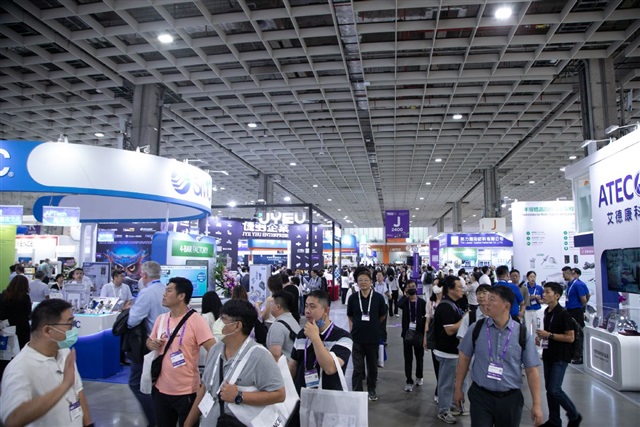
DIGITIMES has shed light on an initiative TSMC has been quietly cultivating: turning its supply chain into what it calls a 'second fleet.' The image evokes a strategic reserve—a production and logistics capacity that sails alongside the main fleet, ready to step in when familiar routes are disrupted.
For the world's largest contract chipmaker, the stakes go beyond business continuity. Geopolitical balances, seismic risks on the island of Taiwan, pandemic-era bottlenecks, and more recently trade tensions all make supply chain diversification and redundancy an absolute priority. A 'second fleet' means alternative suppliers, buffer stocks, duplicated production capacity in different regions, and a logistics framework agile enough to reroute on short notice. All of this orchestrated with the silence that characterizes TSMC's strategic moves.
The concept has roots in military logistics—the reserve fleet that ensures supplies even under attack—but in the semiconductor industry it carries special weight for anyone depending on advanced chips. And no one depends on them more than those developing and running artificial intelligence workloads. Large language models, especially when deployed on-premises for data sovereignty or cost control reasons, are hungry for GPUs, and those GPUs almost all leave TSMC's fabs.
A more resilient supply chain translates, for the enterprise market, into greater predictability in hardware accelerator procurement. Projects evaluating on-premise LLM deployments—already complex due to CapEx vs. OpEx trade-offs, required skills, and space/power constraints—must also factor in the risk of critical component unavailability. That directly affects TCO, since longer lead times or price volatility can push project costs well beyond initial estimates.
TSMC rarely discusses these strategies openly, but the implicit message is clear: the company is building an ecosystem less vulnerable to shocks, and that's good news for the entire AI world. Open questions remain about geographic concentration—most advanced capacity is still in Taiwan—and the difficulty of orchestrating a second fleet without duplicating inefficiencies. For teams planning on-premise infrastructure, the recurring advice is not to take silicon availability for granted and to integrate supply-chain risk into the overall assessment. TSMC's second fleet isn't an absolute guarantee, but it signals that the coming years may be less turbulent than the recent past.







💬 Comments (0)
🔒 Log in or register to comment on articles.
No comments yet. Be the first to comment!